

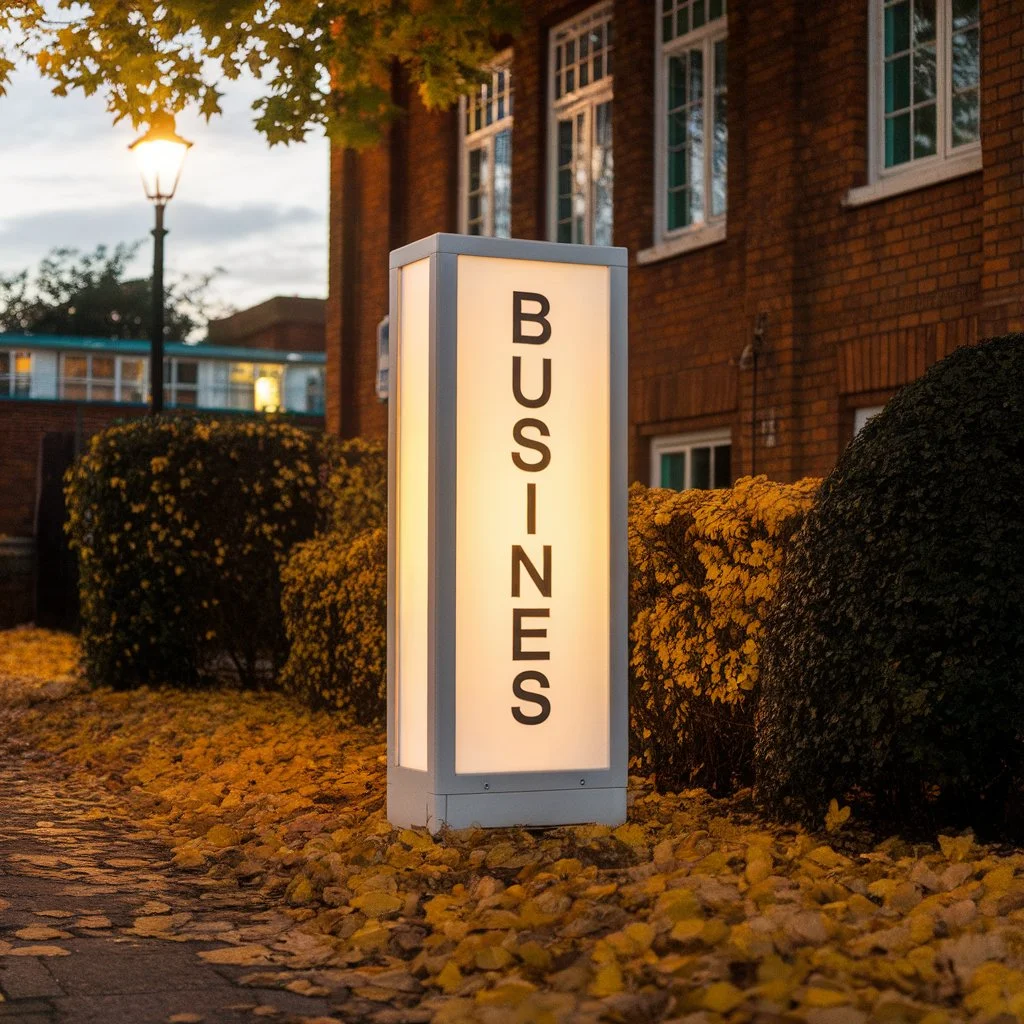
Your shopfront sign isn’t just decoration. It’s working round the clock to attract customers. But what happens when the sun goes down? Or during those gloomy winter afternoons when natural light barely makes it past 3 pm?
That’s where backlit flex comes in. And if you’re wondering whether it’s worth the investment, let’s walk through what makes these illuminated signs so effective for UK businesses.
What is Backlit Flex?
Right, let’s cut through the jargon. Backlit flex is a flexible material that’s been engineered to let light pass through it evenly. Think of it like a professional version of those paper lampshades, but built to withstand British weather and look sharp doing it.
It’s usually made from polyester fabric with a PVC coating. The clever bit is how it’s designed to diffuse light across the entire surface without creating those annoying bright spots or dim patches you see on cheaper signs.
The setup is straightforward. You’ve got LED strips sitting behind the material inside a lightbox frame. When you flick the switch, light bounces around inside before passing through the flex, creating that smooth, even glow.
We’ve carried out installations for a wide range of businesses, from cosy cafés to large retail chains and independent bookshops. The difference is significant. Quite literally, it’s the difference between day and night.
How It Actually Works
Modern setups use LED strips mounted around the edge of the frame. They’re brilliant because they last ages, use hardly any electricity, and don’t pump out heat as the old fluorescent tubes did.
Speaking of electricity, a typical sign about 1.5m by 1m uses roughly 20-40 watts. That’s about the same as leaving a couple of lightbulbs on. We’re talking a few quid a month, not your entire energy budget.
Some clients run theirs 24/7, others use timers to switch on at dusk. Either way, the running costs won’t keep you up at night.
Best Colours for Backlit Signs
This comes up in nearly every conversation we have. And honestly? There’s no one-size-fits-all answer.
When light passes through your graphics, it changes how colours look. Sometimes quite dramatically.
What works well:
- White text on dark blue or black reads beautifully from a distance.
- Bold reds hold their punch when illuminated, although they will appear slightly warmer.
- Deep purples and navy create a premium feel whilst keeping text crisp and legible.
What doesn’t work:
- Pastels tend to wash out completely.
- Light greys can appear dull rather than refined.
- Extremely dark backgrounds reduce overall brightness and impact.
If your brand uses specific colours, they should be tested when backlit. In some cases, the printed shade is adjusted slightly so it appears accurate once illuminated. It is not something that can be judged on paper alone; it needs to be seen in context.
Design Guidelines That Actually Matter
| What You Need | The Spec | Why It’s Not Negotiable |
| Resolution | 150 DPI minimum, 300 DPI ideal | Below this and you’ll see pixelation, especially in daylight |
| Font Size | 2.5cm for every metre of viewing distance | If people can’t read it, what’s the point? |
| Bleed Area | At least 5cm all round | Stops your logo disappearing into the frame edge |
| File Format | Vector files (PDF or AI) | Lets us scale and adjust colours properly |
| Safety Margin | Keep important bits away from edges | The material stretches into the frame, so edge details can get lost. |
We always mock up designs before printing. It’s saved countless headaches over the years. You see exactly what you’re getting, we avoid expensive reprints. Everyone’s happy.
How Does It Compare to Other Signs?
| Backlit Flex | Vinyl Banner | Rigid Acrylic | |
| Visibility at Night | Brilliant, delivering an even, consistent glow. | Requiring external spotlights. | Decent, performing well with LED modules. |
| Handles Weather | Really well, with sealed PVC construction. | Moderate conditions; wind is the primary concern. | Excellent, highly durable though heavier in weight. |
| How Long It Lasts | 5-7 years | 1-3 years if you’re lucky | 10+ years |
| Installation | Needs a professional | You could DIY it | Definitely needs a pro |
Backlit flex hits the sweet spot. It looks professional, won’t break the bank, and actually survives our weather.
Why UK Businesses Go For It
Take a walk down your local high street after 6 pm. Some shops just vanish into the darkness. Others? They’re lit up like beacons.
Those evening hours bring in more business than you’d think. A backlit sign doesn’t just keep you visible, it tells people you’re open and worth checking out.
Works particularly well for:
- Restaurants that want to shout, “we’re open for dinner”
- Shops staying open past dark
- Gyms, salons, or anywhere that trades into the evening
- High streets with decent foot traffic after sunset
The light spreads evenly across your branding. No harsh glare, no weird shadows. Just your message, clear and bright, whilst your neighbours fade into the background.
Installation and Looking After It
A standard shopfront installation takes about half a day. The electrician sorts the power, the frame goes up, the flex material gets stretched tight, and everything gets tested. Done.
Maintenance is dead simple:
- LED strips run for roughly 50,000 hours, which is about six years if they are left on continuously.
- Give the face an occasional wipe with soapy water
- The material itself lasts 5-7 years before UV starts fading it
- The frame and electrics? They’ll outlast the graphics by years.
Most businesses end up updating their graphics before the material actually fails, usually because they’re refreshing their branding, not because the sign’s knackered.
UK Planning Rules You Need to Know
Most illuminated signage needs advertisement consent from your local council. Doesn’t matter how big or small. If it lights up, they want to know about it.
This is not about being difficult. It is about ensuring signs are safe, do not contribute to light pollution, and are appropriate for the surrounding area.
We always check the local rules before starting. Because installing a gorgeous sign and then being told to take it down? Nobody wants that conversation.
Questions People Actually Ask
Can I use backlit flex for temporary events?
You can, though it’s designed for permanent setups. If you need something temporary, freestanding lightboxes work better than wall-mounted ones.
Will it survive coastal locations?
Absolutely. The PVC coating handles salt spray without complaint. We’ve done installations in seaside towns all over.
Can I swap the graphics without replacing everything?
Yes. The flex comes out, new graphics go in. Same frame, same lights. Lots of businesses do this when they rebrand.
What happens during a power cut?
It switches off. Power comes back, lights come back on. No drama, no damage.
Can I dim it or put it on a timer?
Definitely, we can fit dimmers or timers that adjust brightness throughout the day. Handy if you’re near residential areas.
Do they attract loads of insects?
LEDs attract far fewer bugs than old fluorescent tubes. Plus, the sealed design keeps them out of the lightbox anyway.
Can it fit my existing frame?
Sometimes. If you’ve got an old lightbox in decent nick, we might be able to retrofit new graphics. We’d need to have a look first, though.
Conclusion
Backlit flex isn’t just about being brighter than everyone else. It’s about being visible when it actually matters, when potential customers are walking past and deciding where to spend their money. Unlike a standard front lit sign, it keeps working even after dark.
Every evening, whilst your competitors disappear into the darkness, your sign’s still working. Still visible. Still bringing people through the door.
Fancy seeing what backlit flex could do for your shopfront? Book a free consultation with Magenta Signs Ltd. We’ll come out, have a proper look at your space, and show you exactly what’s possible.