

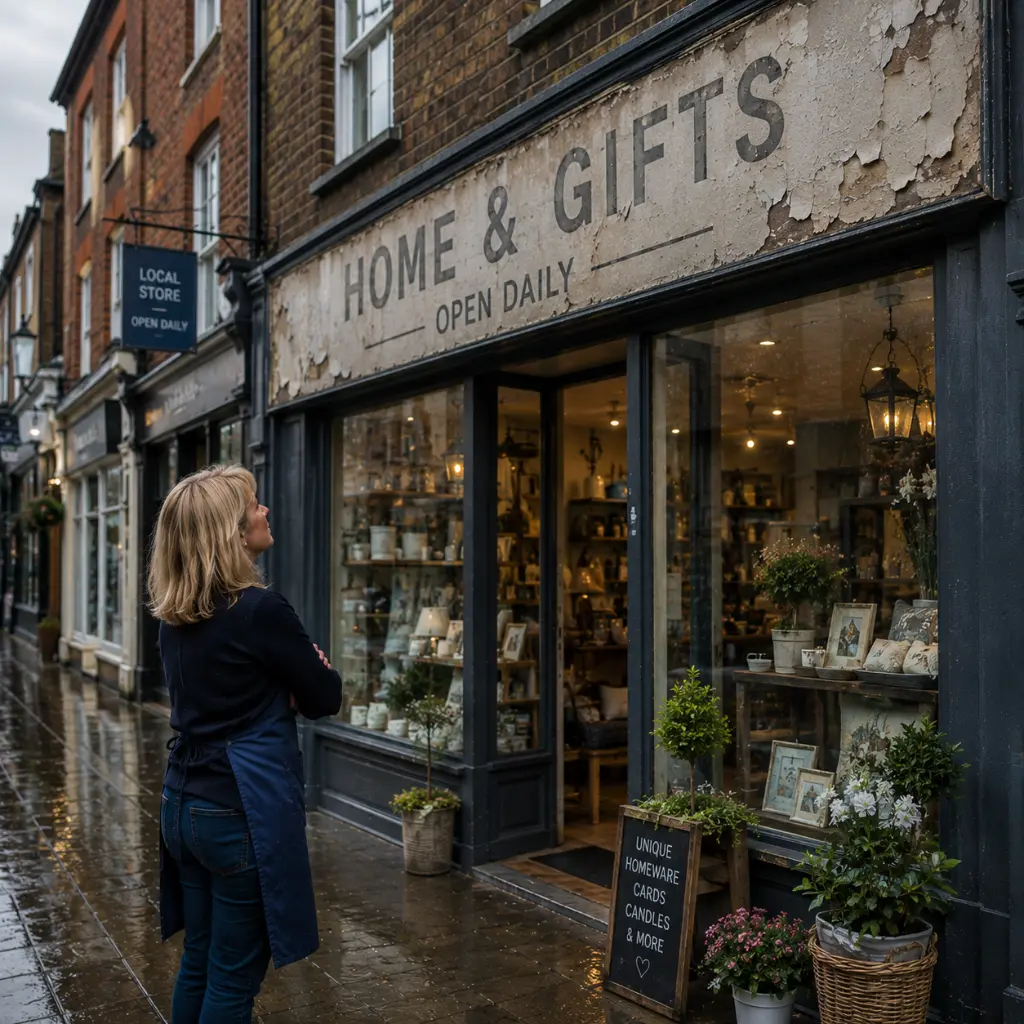
Quick answer: usually not, but not always. Most standard, non-illuminated fascia and hanging signs in England qualify for automatic “deemed consent” — no application needed. Bright illumination, larger projecting signs, and conservation areas are where that stops applying.
Short answer in full: it depends on the type of sign and how it’s lit. In England, which covers Doncaster, most standard shop fascia and hanging signs qualify for automatic “deemed consent” under planning law, meaning no separate application is needed. But there are real limits, and getting it wrong can mean removing a sign you’ve already paid to have made. Here’s what actually matters.
The Sign Research Foundation found that 61% of consumers have missed a business altogether because its sign was too small or hard to read — all the more reason to get your sign’s size, position and lighting right first time, rather than risking an enforcement notice for something that may not have needed permission at all.

Deemed Consent: When You Don’t Need to Apply
Under Class 5 of the Town and Country Planning (Control of Advertisements) (England) Regulations 2007, most traditional fascia and projecting signs are automatically allowed — no application, no fee — provided they meet a set of conditions. Broadly, that means the sign is either non-illuminated or lit below a set brightness threshold, it doesn’t project beyond set limits, and it isn’t mounted above a set height on the building.
When You DO Need Advertisement Consent
You’ll need to apply for formal Advertisement Consent from the council if your sign is more brightly illuminated than the deemed-consent limit, projects further than a standard hanging sign, sits higher than roughly 4.6 metres above ground level, or if you’re putting up several signs at once rather than one. Consent is a separate process from standard planning permission — it’s specifically about adverts and signage, decided under advertisement control rules rather than the usual planning application route.
| Sign situation | Likely need consent? |
|---|---|
| Standard non-illuminated fascia sign | Usually deemed consent |
| Dimly illuminated fascia sign, within height limits | Usually deemed consent |
| Bright illuminated sign, above brightness threshold | Likely needs consent |
| Large projecting / hanging sign | Likely needs consent |
| Any sign on a listed building | Needs Listed Building Consent too |
Conservation Areas and Listed Buildings Are Stricter
If your shop is in a conservation area, the deemed-consent thresholds are tighter, and signage that would be automatically fine elsewhere may need an application there. If the building is listed, you need Listed Building Consent in addition to (not instead of) advertisement consent — this applies even to signs that would otherwise be deemed consented. Doncaster has several conservation areas in and around the town centre, so it’s always worth checking before ordering if you’re not sure.
What Happens If You Don’t Apply When You Should
Displaying an advert without the consent it needs is a criminal offence under the regulations, not just a paperwork issue — the council can require it to be taken down. In practice, most councils will ask you to apply retrospectively or remove the sign rather than prosecute for a first offence, but it’s a real risk, and it means paying for a sign twice if it has to come down.
How to Check Before You Commit
The reliable way to confirm your situation is to check with Doncaster Council’s planning department directly, or use the Planning Portal’s shop signage guidance, before you order. We can also flag it during the quote stage — if what you’re asking for is likely to need consent, we’ll tell you before you commit to a design, not after.
Common Questions
Can I put a sign outside my shop?
In most cases yes, without needing a separate application, provided it meets the deemed-consent conditions on illumination level, size, height, and position. Larger, brighter, or projecting signs are more likely to need formal consent.
Does an illuminated sign always need permission?
Not always — illuminated signs have their own, lower brightness threshold under deemed consent, but many shop signs are lit above that threshold, which is the single most common reason a sign ends up needing an application.
How long does an Advertisement Consent application take?
The standard statutory decision period is eight weeks from a valid application, unless you agree to a longer period with the council.
How much does the application cost?
There’s a set fee per application (not per sign) set by government and reviewed periodically — check the current fee with Doncaster Council or the Planning Portal before applying, since it does change from time to time.
Do I need permission for a temporary sign, like a sale banner?
Temporary signage has its own, generally more relaxed rules, but there are still limits on how long it can be displayed and where. Ask us or the council if you’re planning anything beyond a few weeks.
We’ll Tell You Before You Commit
Not sure whether your sign needs consent? Send us a photo of your shop front and what you have in mind, and we’ll flag any planning considerations as part of your free quote — before you’ve spent anything on design or manufacture. For typical costs once you know what you need, see our shop sign price guide.