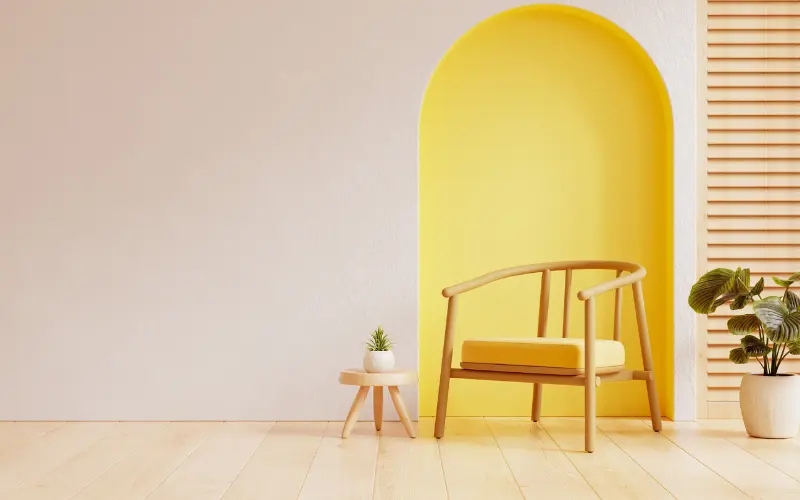
Have you ever walked into a space and immediately felt drawn to one particular wall? Chances are, it wasn’t just painted white. The walls that catch your eye usually have something more going on, such as texture, depth, or a bit of character. But here’s the thing: most commercial spaces still stick with plain paint and plasterboard, when they could be doing so much more.
That’s where wood feature walls come in. They’re brilliant for adding warmth to those sterile-feeling offices, they actually help with acoustics in echoey rooms, and they create spots that naturally become focal points. Whether you’re updating a coworking space or kitting out a car showroom, the right wood wall can completely change how people feel in your space.
In this guide, we’ll walk through different wood wall approaches, from simple weekend projects to more involved installations. You’ll get the practical details on installation tips and which designs work best in different rooms.
Popular Wood Feature Wall Designs
Here’s the truth: the difference between a wood wall that looks amazing and one that screams “failed DIY project” usually comes down to picking the right style for your space. Let’s look at what actually works.
Horizontal Plank Walls
Running planks horizontally makes narrow spaces feel wider. It’s a simple visual trick that works every time. If you’re watching the budget, pine does the job nicely. Want something that will age better and handle more knocks? Oak is your friend. The secret is keeping your spacing consistent. Grab some 3mm spacers to use between boards, and you’ll get those lovely shadow lines that show off the wood grain without becoming dust traps.
Installation difficulty: Low. If you’re comfortable with a saw and drill, you can knock this out over a weekend.
Vertical Slat Designs
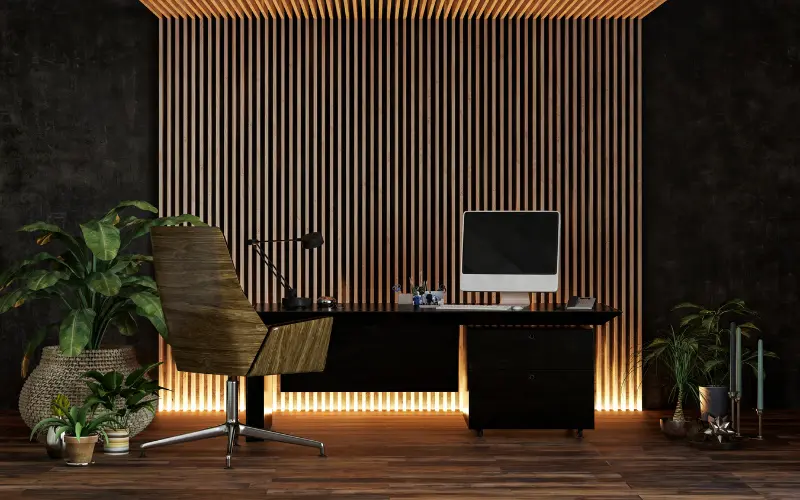
Vertical slats do the opposite. They make your ceilings feel higher. They’re particularly good in reception areas where you want to create a sense of space. Try walnut slats against a charcoal wall in a professional setting, and you’ll see what we mean. Here’s a bonus: vertical slats don’t collect dust the way horizontal ones do, which is brilliant in busy commercial spaces where you don’t want to be dusting every other day.
Installation difficulty: Medium. You’ll need to be precise with your spacing and keep everything properly vertical.
Shiplap Feature Walls
There’s a reason shiplap keeps showing up everywhere. It just works. The overlapping boards create these subtle shadow lines that add interest without shouting for attention. Paint it white for a contemporary office or wellness studio. Leave the oak natural for warmth in conference rooms. The best bit? That overlap means you can get away with slightly wonky measurements, unlike edge to edge planking, where every mistake shows.
Installation difficulty: Low to medium. The overlapping design is quite forgiving if you’re not spot-on perfect.
Geometric Wood Patterns
Hexagons and diamonds turn your wall into a proper architectural feature. They take more planning than just slapping up some planks, but in the right space, such as hotel lobbies or flagship stores, they’re worth the effort. The ones that work best usually combine two wood tones, maybe a dark base with lighter accents, or the other way round.
Installation difficulty: High. Unless you’re pretty handy, you’ll want to bring in someone experienced for this.
Herringbone & Chevron Layouts
These patterns add movement to otherwise static walls. They work brilliantly as focal points, so imagine a herringbone accent behind your reception desk. Dark stained oak gives you that sophisticated art deco vibe. Just know that installation takes roughly twice as long as horizontal planking because of all the angled cuts involved.
Installation difficulty: High. The precision cutting needed makes this one for the professionals.
Reclaimed Wood Accent Walls
Reclaimed wood brings instant character. You get weathered textures, varied colours, and that aged patina you simply can’t fake. Beyond looking great, it’s usually cheaper than new timber and gives you proper sustainability credentials. Each piece is different, which creates visual interest that new wood, all uniform and perfect, can’t match. Just make sure you buy from architectural salvage yards or proper suppliers who’ve kiln dried it. You don’t want timber with pests or moisture issues.
Installation difficulty: Medium. The varied sizes mean you’ll need to think through your layout more than with standard boards.
Choosing the Right Wood for Your Feature Wall
Picking your wood isn’t just about what looks nice. It affects how long your wall lasts, how much upkeep it needs, and obviously, your budget. Here’s something most people don’t realise: hardness really matters. In commercial spaces, walls get bumped by furniture moves, equipment installations, and general daily chaos. Softer woods show dents and scratches within months, whilst hardwoods maintain their appearance far longer.
| Wood Species | Durability | Budget level | Best Applications |
| Pine | Moderate | Budget | Budget projects, painted finishes |
| Oak | Excellent | Mid-Range | High-traffic commercial spaces |
| Walnut | Very good | Mid-Range | Executive offices, premium retail |
| Ash | Very good | Mid-Range | Contemporary spaces |
| Beech | Good | Mid-Range | Scandinavian aesthetics |
| Reclaimed Timber | Varies | Mid-Range | Sustainable projects, rustic themes |
| Cedar | Excellent | Mid-Range | Wellness spaces, humid environments |
Think about grain too. Beech and similar tight grained woods give you subtle texture. Oak and ash have bold patterns that show through even under dark stains. Match this to what you’re after, subtle for backgrounds and pronounced for focal points.
Wood Feature Walls by Room Type
Reception Areas and Lobbies
You’ve got seconds to make a first impression. A well placed wood wall behind the reception desk creates an immediate impact. Dark tones convey authority, which is perfect for law firms or corporate HQs. Lighter finishes feel more creative and approachable, which suits agencies or wellness centres. Smart move: mount your logo in contrasting wood or metal against the feature wall for built in branding.
Conference Rooms and Meeting Spaces
Conference rooms benefit from wood walls beyond just looks. That textured surface breaks up sound waves, cutting down echo in rooms full of hard surfaces. Installing a wood feature as an interior wall treatment on the wall opposite the screen helps it add warmth without competing visually during presentations. Horizontal planking in mid-tone oak adds presence without grabbing all the attention. One thing to avoid is highly reflective finishes that can cause glare on video calls.
Retail Environments and Showrooms
Retail spaces use wood walls to guide how customers move through the shop. A feature wall behind your checkout area draws people through whilst giving them that Instagram moment they’ll want to share. Car showrooms particularly suit geometric wood features, as they echo that precision engineering vibe. For ongoing care, choose finishes that hide fingerprints and clean easily.
Office Environments and Coworking Spaces
Open-plan offices use wood feature walls to create zones without actually building walls. A slatted wood screen separates quiet work areas from collaborative spaces but keeps that visual connection. Coworking spaces love wood walls because they add character to what’s often just a generic commercial building.
Installation Guide
DIY vs Professional Installation
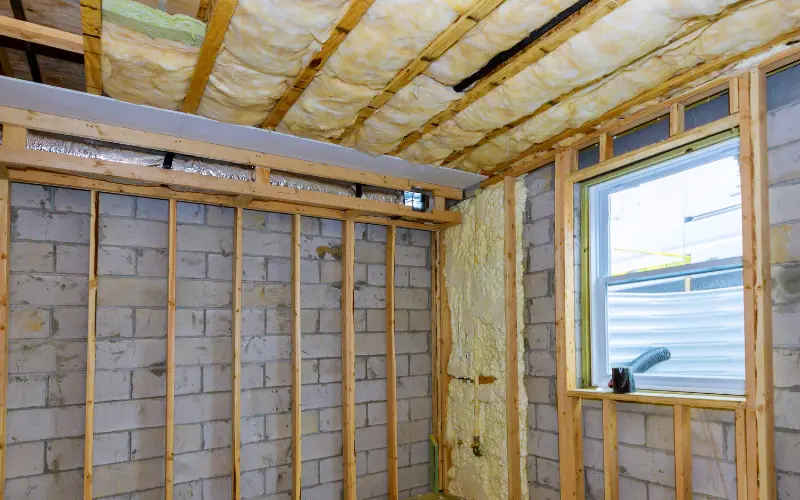
Confident with tools? Horizontal planking and shiplap are definitely doable. A typical 3m x 2.5m wall takes a weekend, nothing crazy. Use construction adhesive plus screws for proper durability. The adhesive holds it immediately, whilst the screws ensure it stays put long term. Just make sure you’re screwing into wall studs, not just plasterboard, or you’ll have problems down the line.
Geometric patterns, herringbone, 3D installations? That’s professional territory. The precision cutting and alignment needed is beyond what most DIYers can manage. Yes, professional installation costs money, but it varies based on complexity, and it’s usually worth it to get it right the first time.
Maintenance and Care
Proper finishing at the start saves you hassle later. Matte lacquer is your best bet for commercial wood walls and wall panel installations. It resists marking, cleans easily, and doesn’t create annoying glare. Put on two coats after staining, and you’re sorted.
Oil finishes like Danish oil or hard wax oil make the grain really pop and give moderate protection. The trade off is that they need more maintenance than lacquer, and you’ll be reapplying annually in busy areas. But plenty of people prefer the natural look, so it’s about what matters more to you.
Regular Care Requirements
- Weekly: Dust with a soft brush attachment on your vacuum
- As needed: Wipe up spills straight away with a dry cloth
- Annually: Refresh lacquered surfaces with proper wood cleaner; reapply oil to oiled finishes
- Quarterly: Check for damage, including dents, scratches and discolouration.
Small scratches on lacquered surfaces? Often, you can just buff them out with fine steel wool and a touch-up pen. Deeper gouges need light sanding and spot-finishing. Water stains on oiled wood usually come out with gentle sanding followed by fresh oil.
Creative Design Combinations
Incorporating Moody Colours with Wood
Deep colours such as charcoal, navy and forest green create proper drama when paired with wood. The dark backdrop adds depth and character in a way that lighter colours cannot match. Pair deep, dark paint with warm wood and you’ve got something special. The contrast just works, as it is elegant without being stuffy and bold without being over the top.
Combining Different Wood Types
Want to add interest without fussy cuts? Mix different woods. Alternate walnut with maple strips, or go from light ash gradually down to dark oak for a gradient effect. You get the fusion of different textures, colours, and grain patterns without the hassle of intricate geometric designs. Just make sure the species you choose have similar hardness ratings so they age consistently rather than one wearing faster than the other.

Frequently Asked Questions
What tools do I need to install a wood feature wall?
You’ll need a circular saw or mitre saw, cordless drill, spirit level, tape measure, stud finder, and safety kit (goggles, dust mask). If you’re painting, add a roller and brushes. Most DIYers already have these, or you can hire them from tool rental shops for the weekend.
Can wood feature walls be installed over existing wallpaper?
No, you need to strip that wallpaper first. Wood needs a solid, stable surface to fix properly. Leave wallpaper underneath, and you’ll get adhesion problems, and your wall might sag or warp over time. Strip it, fill any holes, let everything dry completely, then you’re good to go.
How do I handle electrical outlets on a wood feature wall?
Mark where your outlets sit before you start installing. Cut precise openings in the wood boards, and use deeper electrical boxes to accommodate the extra thickness. You might need extender rings. Always turn the power off at the mains whilst you’re working near electrical points. If you’re not confident, get a qualified electrician in.
Can I paint a wood feature wall after installation?
Absolutely. Sand the surface lightly, put on wood primer, then two coats of quality interior paint. This works brilliantly if you change your mind about the natural finish or just want to refresh the look without replacing everything. Use paint designed for wood rather than standard wall emulsion, as it will stick better and last longer.
What’s the difference between tongue-and-groove and shiplap?
Tongue and groove boards lock together. One has a protruding tongue that fits into the next board’s groove. You get seamless joints with no visible gaps. Shiplap boards overlap slightly, which creates a shadow line between each one. Shiplap looks more rustic, and tongue-and-groove is cleaner and more refined.
Do wood feature walls provide insulation?
Not really for heat. The thermal insulation is minimal. But they do help with noise. That textured surface breaks up sound waves better than flat painted walls. If you want actual thermal improvement, install insulation boards underneath the wood. A 20mm wood wall by itself gives you roughly R 0.14 thermal resistance, which is basically nothing compared to proper cavity insulation.
How do I fix a warped board after installation?
Honestly? Remove it and replace it. Trying to straighten warped wood rarely works long term, as it will just fight you and go back to being warped. This is why keeping spare boards from your original installation is smart. If you have not got any, you will need to source matching timber and stain it to blend with what is already there.
Can wood feature walls be installed on uneven walls?
Yes, but you’ll want furring strips. Attach horizontal battens to the wall first, using shims to create a level surface. Then fix your wood boards to those battens rather than directly to the wonky wall. It adds a bit to the cost, but you’ll get professional-looking results rather than a wavy mess.
What fire rating do wood feature walls have?
Untreated timber doesn’t offer much fire resistance. If you’re installing in commercial premises, you need to check Building Regulations Part B. Fire-retardant treatments exist that can improve ratings to Class 1 or 0. Have a chat with your local building control officer before you install in any public-access building to make sure you’re doing it right.
Final Thoughts
The best wood feature walls are the ones that do not announce themselves. They just make spaces feel more thoughtful and more deliberate. Start by working out what your space is actually missing, then choose a solution that addresses that specific gap.
Think long-term too. Trends come and go, but quality wood installations outlast all that. A well-done oak feature wall will still look appropriate in ten years. Put your money into good materials and proper installation rather than chasing whatever’s trending on Instagram this month.
A small plaque near the entrance or reception area can also add a professional finishing touch, whether it’s for branding, recognition, or a simple statement of identity. When everything is done thoughtfully, your wood feature wall becomes the thing people mention when they’re describing your business to others. That’s when you know you’ve got it right.