Flyers vs. Brochures: Which Print Format Works for Your Campaign?
Flyers and brochures serve different purposes in print marketing. Flyers deliver quick, focused messages through a single-sheet format. Brochures provide organised, detailed information across multiple folded panels.
Understanding these differences helps you select the right format for your specific campaign goals. This guide explains how each format works, what makes them effective, and how to match them to your marketing objectives. When you’re ready to bring your design to life, professional brochure printing ensures your materials make the right impression.
What Is a Flyer and How Does It Work?
A flyer is a single sheet of paper, printed on one side or both, designed to deliver a focused message quickly. The format centres on clarity and immediate impact.
Flyers promote everything from weekend sales to concert dates, new restaurant openings to charity events. The single-sheet format creates natural constraints that encourage clear, direct communication.
Distribution flexibility makes flyers practical for various campaigns. They go into letterboxes, get pinned to community noticeboards, sit in stacks at reception desks, or get handed out on high streets. The low production cost enables wide distribution, making them ideal for reaching large audiences.
Businesses favour flyers for time-sensitive promotions. Special offers, product launches, event announcements, and limited-time opportunities all benefit from the flyer’s immediate, action-focused format.
Standard Flyer Sizes and Applications
Flyer size affects both production cost and campaign effectiveness. Here are the standard formats:
| Size | Dimensions | Best Applications |
| A6 | 105mm × 148mm | Hand-to-hand distribution, postcard-style promotions |
| DL | 99mm × 210mm | Rack displays, menu inserts, letterbox campaigns |
| A5 | 148mm × 210mm | Standard promotions, event announcements, general handouts |
| A4 | 210mm × 297mm | Poster-style displays, detailed programmes, wall mounting |
A5 serves as the standard format for most campaigns. It provides enough space for meaningful information and graphics whilst remaining compact enough for easy handling and storage.
A6 works particularly well in busy environments with direct hand-to-hand distribution. The compact size fits easily into pockets or bags, which matters at stations, shopping centres, or outdoor events.
DL flyers fit standard display racks and slip perfectly through letterboxes, making them effective for targeted local campaigns covering specific postcodes or neighbourhoods.
A4 provides maximum space for detailed information or large visuals. This size works well when the flyer will be displayed on walls or noticeboards, or when you need room for comprehensive event schedules or product imagery.
Creating Effective Flyer Designs
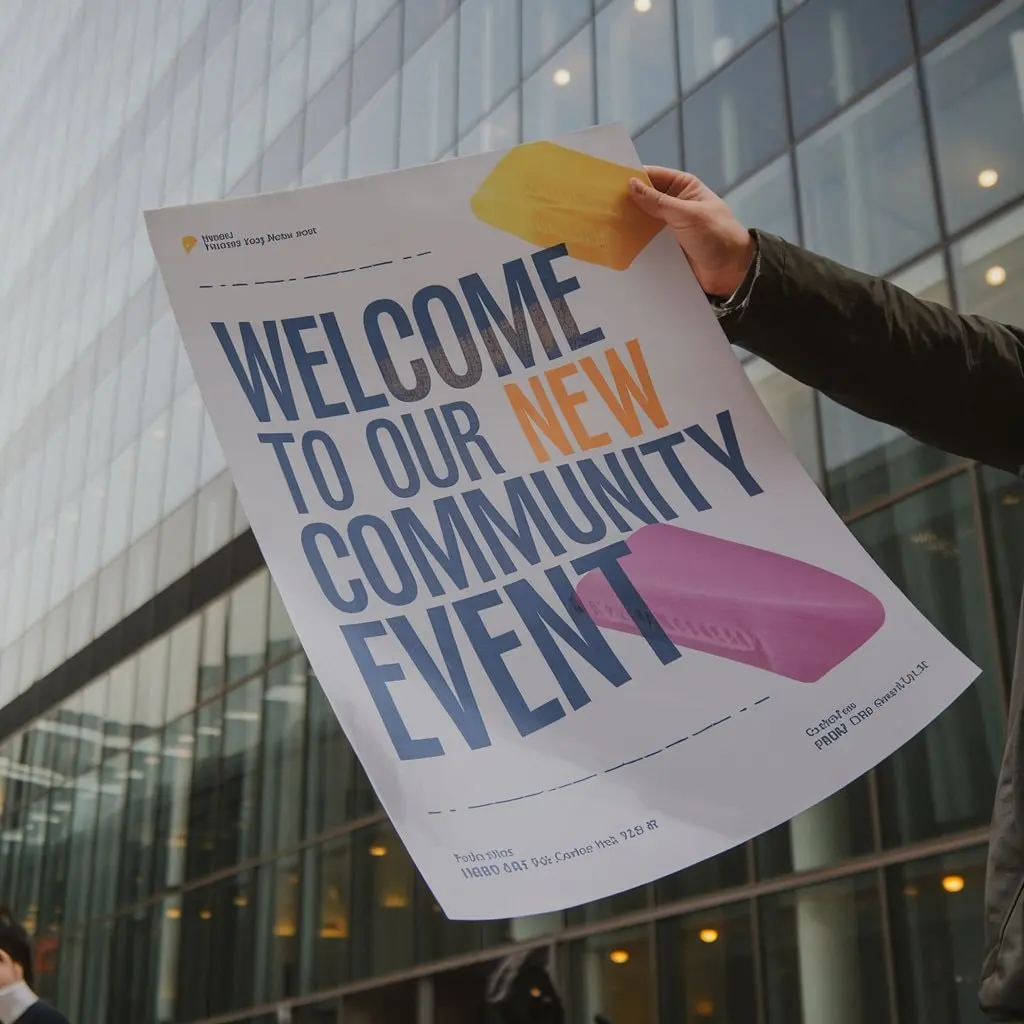
Effective flyer design follows visual hierarchy principles. Your headline communicates the core offer or event in the fewest possible words. The primary message should be immediately visible to someone glancing at the flyer for just a few seconds.
Visual hierarchy guides the reader’s eye through the information. The most important elements, such as what’s being offered, when it’s happening, and how to respond, receive prominence through size, placement, and contrast. Supporting details use smaller text whilst maintaining readability.
Colour choices impact both attention and production costs. Full-colour printing on both sides typically costs between £80-£150 per thousand for A5 flyers at standard 130gsm paper weight (costs vary based on quantity, paper quality, and finishing options). Single-colour printing reduces costs whilst maintaining effectiveness for certain campaigns.
The call to action determines campaign results. Specific, actionable instructions like “Visit our showroom this weekend” or “Book your place by Friday” guide readers toward the desired response. While flyers prioritize simplicity and immediate impact, learning about essential brochure elements helps when your marketing message requires more comprehensive communication.
What Is a Brochure and When Does It Serve You Best?
A brochure is a folded document that creates multiple panels for organising information. The multi-panel structure allows you to present different aspects of your offering across separate sections, each building on the previous one.
The physical act of unfolding a brochure creates progressive engagement. Each panel reveals new information in sequence, allowing you to develop a narrative or build a comprehensive picture. The cover introduces your brand or product. Interior panels expand on features, benefits, and specifications. The back panel typically includes contact information and response mechanisms. Understanding brochure effectiveness helps you leverage this multi-panel format to create compelling marketing materials that prospects actually keep.
Brochures excel for considered purchases where people need details before deciding. Estate agents showcase properties with room dimensions and floor plans. Service businesses explain different package options and pricing structures. Product manufacturers display ranges, specifications, and applications.
The brochure format encourages retention. People take them home, file them for reference, or share them with colleagues who might be interested. This staying power justifies the higher production investment because the brochure continues working long after initial distribution.
Common Brochure Formats
Format choice shapes how your information unfolds. Each folding style creates a different reading experience:
Bi-fold brochures create four panels with a single centre fold. This straightforward format presents information in a clear, linear progression. Many restaurants use bi-folds for takeaway menus, whilst service businesses use them for simple package comparisons or service overviews.
Tri-fold brochures generate six panels through two parallel folds. This format balances information capacity with portability perfectly. When folded, a tri-fold brochure fits standard DL display racks and business envelopes. Financial advisers, training providers, and product catalogues favour this format because it creates natural sections for breaking down detailed information.
Z-fold brochures accordion out in a zig-zag pattern. The sequential reveal makes them excellent for step-by-step processes, timelines, or any content where order matters. Z-folds can also display fully opened as a continuous panel for presentations or exhibitions.
Gate-fold brochures open like double doors from both sides to reveal a central panel. The dramatic reveal creates impact, which is why luxury brands, architectural presentations, and high-value product launches favour this format. The central panel typically measures twice the width of the outer panels, providing space for impressive visuals.
Brochure Production Specifications
Paper weight affects both feel and functionality. Standard brochures use 150gsm to 170gsm coated stock. This weight creates a substantial feel whilst folding cleanly without cracking along the fold lines.
Heavier paper (200gsm to 250gsm) creates a premium impression and suits bi-folds or high-end presentations. The additional weight provides durability for brochures that will see repeated handling or extended use. Working with experienced digital printing solutions providers ensures you select the right specifications for your specific needs.
Finish selection, whether gloss, silk, or uncoated, affects appearance and durability. Gloss finish makes colours vivid and photographs sharp. Silk (sometimes called satin) provides excellent colour reproduction with better fingerprint resistance. Uncoated stock gives a natural, tactile quality that works particularly well for craft, artisan, or eco-focused brands.
Production costs for brochures typically range from £200-£400 per thousand for A4 tri-folds in full colour on 150gsm silk paper (prices vary based on quantity, finishing, and complexity). The format justifies the investment when detailed information supports the decision-making process.

Comparing Flyers and Brochures: Key Differences
| Aspect | Flyers | Brochures |
| Physical Format | Single flat sheet (one or two sides) | Folded multi-panel document |
| Primary Function | Quick announcements, urgent promotions | Detailed information, credibility building |
| Message Complexity | Single focused message | Multiple topics across panels |
| Intended Lifespan | Hours to days | Weeks to months |
| Distribution Method | Mass distribution, high volume | Targeted distribution, qualified prospects |
| Reader Behaviour | Quick scan, immediate decision | Careful reading, comparison, reference |
| Typical Cost | £80-£150 per thousand (A5, full colour) | £200-£400 per thousand (A4 tri-fold) |
| Best Applications | Events, sales, time-sensitive offers | Services, complex products, brand building |
Note: Costs are estimates for standard specifications and vary based on quantity, paper stock, finishing, and printing provider.
Content Structure Differences
Flyers work with focused messaging. The limited space creates natural clarity by requiring every word to justify its presence. This constraint strengthens communication by forcing direct, clear statements about what’s being offered, why it matters, and what action to take.
Brochures accommodate comprehensive explanation. The multi-panel format enables logical separation of different information types. One panel presents product features. Another covers specifications. A third addresses pricing options. A fourth includes customer testimonials. Just as key business information must be carefully selected for networking materials, each brochure panel should serve a specific purpose in your marketing message.
Selecting the Right Format for Your Campaign
Your campaign objectives guide format selection. Three key factors determine the best choice: message complexity, decision timeline, and target audience characteristics.
Flyers excel when your message centres on a single, clear proposition that benefits from immediate action. Time-sensitive offers, event announcements, and straightforward promotions align perfectly with the flyer format. The broad distribution capability helps you reach large audiences efficiently, whilst the low unit cost makes high-volume campaigns practical.
Brochures shine when your offering requires explanation to be understood and valued properly. Complex products, professional services, and premium offerings benefit from the space to develop credibility through detail. The multi-panel format supports the considered decision-making process by providing comprehensive information that prospects can review at their own pace. While print materials work effectively for detailed messaging, complementing them with mobile branding like vehicle graphics ensures your brand maintains visibility even when you’re on the move.
Combining Flyers and Brochures Strategically
Many effective campaigns use both formats in sequence rather than selecting one over the other. Each format amplifies the other’s strengths when deployed strategically.
A fitness centre might distribute flyers throughout the local area announcing a special joining offer. The flyer creates awareness and drives foot traffic. When people visit to enquire, staff provide a brochure detailing membership tiers, class schedules, and pricing structures. The flyer created urgency. The brochure supports informed decision-making. For businesses looking to maximize local visibility, combining print materials with vehicle wrapping for brand visibility creates multiple touchpoints throughout your community.
At Magenta Signs, we often recommend this combined approach for campaigns where initial awareness needs to convert into considered purchases. The investment in both formats typically delivers stronger campaign results through better alignment with customer decision-making processes.
Frequently Asked Questions
What’s the main difference between a flyer and a brochure?
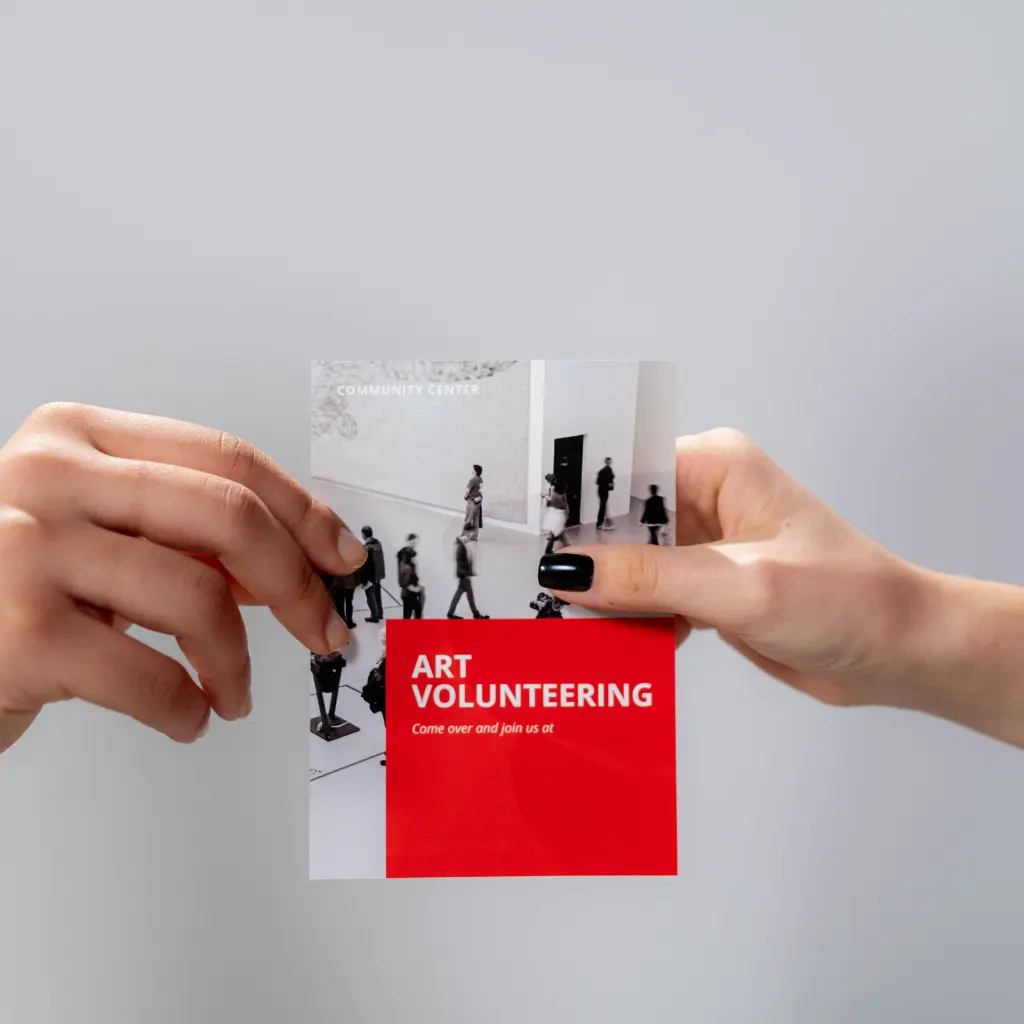
Flyers are single sheets designed for quick messages and wide distribution, whilst brochures are folded documents that provide detailed information across multiple panels. Flyers work for urgent, simple messages; brochures work for complex offerings that benefit from explanation.
Which delivers better value, flyers or brochures?
Value depends on campaign objectives rather than just unit cost. Flyers typically cost £80-£150 per thousand versus £200-£400 per thousand for brochures (prices vary based on specifications). Campaign effectiveness depends on conversion rates. A brochure that converts interested prospects effectively can deliver better return on investment than a cheaper flyer with lower response rates.
When does a brochure serve better than a flyer?
Brochures work best when your offering requires explanation, when you’re building credibility through detail, or when customers need to compare options before deciding. Professional services, complex products, and situations where people will keep your material for reference all favour the brochure format.
Can I use both flyers and brochures together?
Yes, and this approach often works very effectively. Flyers create awareness and drive initial interest, whilst brochures serve people who show genuine engagement. Each format plays to its strengths, with flyers for reach and urgency, and brochures for detail and credibility.
What size works best for flyers?
A5 (148mm × 210mm) serves as the most popular flyer size because it balances visibility with portability effectively. A4 works when you need additional space for information or images. A6 suits hand-to-hand distribution where pocket-size convenience matters. DL format fits standard letterboxes and display racks perfectly.
How many panels should a brochure have?
Most brochures have 4-8 panels created through folding. Bi-folds create 4 panels, tri-folds create 6 panels, and gate-folds create 6 panels with different proportions. Match the panel count to your content requirements, ensuring enough space to explain your offering thoroughly whilst maintaining engagement.
What makes brochure folding styles different?
Different folding styles create different reading experiences. Bi-folds provide straightforward linear progression. Tri-folds create six sections for organised information breakdown. Z-folds enable sequential reveal of information. Gate-folds provide dramatic central panel reveals. The best choice depends on your content structure and presentation goals.
Making the Right Choice for Your Campaign
Flyers excel at creating awareness and driving immediate action through focused messaging. Brochures build credibility through detailed information that supports informed decision-making. Your audience’s decision-making process should guide format selection, as quick decisions favour flyers, whilst considered purchases favour brochures. Effective campaigns often deploy both formats strategically, with flyers creating initial awareness and brochures supporting interested prospects.
Production quality matters significantly regardless of format. Even in today’s digital landscape, print marketing remains effective for creating lasting impressions and building tangible connections with your audience. If you’re planning your next print marketing campaign, Magenta Signs can help you create effective printed materials through appropriate format selection and quality production.