
A single feature wall transforms spaces more effectively than redecorating entire rooms. Whether you’re running a restaurant where atmosphere drives revenue, managing an office where environment affects productivity, or designing a lounge where comfort matters, the right wall creates instant impact. The challenge isn’t choosing whether to create one; it’s selecting which approach suits your space, budget, and objectives. From vinyl graphics that communicate brand identity to wooden slats that add warmth, feature wall solutions solve practical problems whilst making design statements.
Commercial Feature Walls
Commercial spaces use feature walls strategically, not just decoratively. The wall behind your reception desk forms first impressions. The backdrop in your retail space influences purchasing decisions. The surface facing your restaurant entrance sets expectations before customers sit down.
Retail Feature Walls
Retail feature walls serve dual purposes: brand reinforcement and product showcasing. A cosmetics brand might use backlit acrylic panels in signature colours, creating Instagram moments that customers photograph and share. Fashion retailers often install reclaimed wood planks behind changing areas, subtly suggesting quality and craftsmanship. Texture matters as much as colour. Rough brick suggests heritage and authenticity, smooth concrete reads as contemporary minimalism.
Magnetic paint transforms retail walls into flexible display surfaces. Pin products directly onto walls, rearrange daily, respond to trends without permanent fixtures. Jewellery stores use this approach: dark magnetic walls become ever-changing galleries where pieces hang at eye level. Seasonal rotation takes minutes rather than hours of drilling and patching.
Lighting integration elevates retail feature walls from backgrounds to active selling tools. LED strips behind floating shelves create drama around products. Spotlights raking across textured stone draw eyes to premium items. Simple uplighting transforms painted walls into architectural features after dark when street visibility matters most.
Restaurant and Hospitality
Restaurant feature walls work harder than any other commercial application. They must withstand humidity from kitchens, resist staining from inevitable splashes, clean easily, and still create an atmosphere worth charging premium prices. Washable vinyl wallpapers survive better than fabric panels. Sealed wood resists moisture better than painted plaster.
Acoustic considerations drive many restaurant feature wall choices. Hard surfaces (brick, tile, concrete) amplify noise in already loud spaces. Fabric-wrapped acoustic panels or perforated wood systems absorb sound whilst maintaining visual interest. The difference between comfortable conversation and shouting across tables often comes down to wall treatment.
Themed restaurants leverage feature walls to create atmosphere and strengthen their identity. Many venues incorporate exposed brick, timber panelling, or modern textured finishes to reflect a cosy pub-style setting or a contemporary dining space. The key is authenticity and quality. Cheap imitation materials are easy to spot, but well-crafted feature walls create a welcoming environment that enhances the customer experience and supports premium pricing.
Hotel Lobbies and Reception Areas
Hotel lobbies demand feature walls that photograph well. Travellers share first impressions instantly on social media, either praising distinctive design or criticising corporate blandness. Boutique hotels invest heavily in statement walls knowing these images drive future bookings more effectively than paid advertising.
Scale challenges dominate hotel feature walls. Double-height lobbies need treatments bold enough to register from across large spaces. A subtle geometric wallpaper disappears at ten metres distance. Large-format graphics, substantial 3D panels, or dramatic material changes read clearly at the distances hotels require.
Durability trumps trends in hotel applications. Feature walls must survive years of constant traffic, luggage scrapes, and cleaning regimes. Wallpaper rated for high-traffic applications, sealed stone resisting stains, robust fixings supporting weight safely: commercial-grade specifications prevent maintenance headaches.
Office Feature Walls
Office feature walls serve functions beyond aesthetics. They establish brand identity in reception areas, define zones in open-plan spaces, improve acoustics in meeting rooms, and signal company culture to employees and visitors.
Reception and Lobby Areas
Reception feature walls communicate company positioning instantly. Tech startups favour bold graphics and statement colours suggesting innovation and energy. Legal firms choose rich wood panels or sophisticated stone conveying establishment and reliability. Materials selected tell stories about company values before any conversation starts. Effective feature walls work alongside strategies for enhancing indoor navigation to create coherent, professional environments that guide visitors intuitively.
Logo integration separates amateur from professional reception walls. Simply mounting acrylic letters on painted walls looks corporate but uninspired. Better approaches embed logos within feature wall treatments: laser-cut metal panels revealing backlit company colours, dimensional letters incorporated into wood slat patterns, or subtle brand colours woven through geometric wallpaper.
Lighting transforms reception feature walls from daytime backdrops to evening statements. Many offices now operate flexibly with staff arriving and leaving at varied hours. Integrated LED strips, carefully positioned spotlights, or backlit elements ensure walls make impact regardless of viewing time.
Conference Rooms and Meeting Spaces
Video conferencing changed conference room feature wall requirements completely. The wall behind meeting participants appears in every Team’s call, every Zoom meeting, every client presentation. That surface now represents your company globally. Busy patterns distract viewers. Cluttered surfaces look unprofessional. Clean, sophisticated treatments suggest competence and organisation.
Writable surfaces turn feature walls into functional tools. Magnetic paint or specialised whiteboard materials cover entire walls, transforming them into massive idea-capture surfaces. Teams sketch concepts directly on feature walls during brainstorming sessions, leaving drawings visible for days or weeks.
Breakout and Collaborative Spaces
Breakout areas need different energy from formal meeting rooms. Feature walls here inject personality and signal psychological shift from structured work to collaborative creativity. Bright colours, bold patterns, unexpected materials: treatments that would overwhelm formal spaces work perfectly in casual collaboration zones.
Many companies use breakout space feature walls to display company culture visibly. Photo montages showing team events and achievements create belonging. Inspirational quotes or company values rendered in dimensional letters reinforce messaging. Mission statements integrated into wall designs keep purpose front-of-mind.
Feature Wall Graphics
They deliver precise brand colours. They incorporate detailed imagery or photography. They change relatively easily when requirements shift. They work on imperfect wall surfaces. For businesses needing specific messaging or exact visual identity, graphics often provide the only practical solution.
Vinyl Wall Graphics and Decals
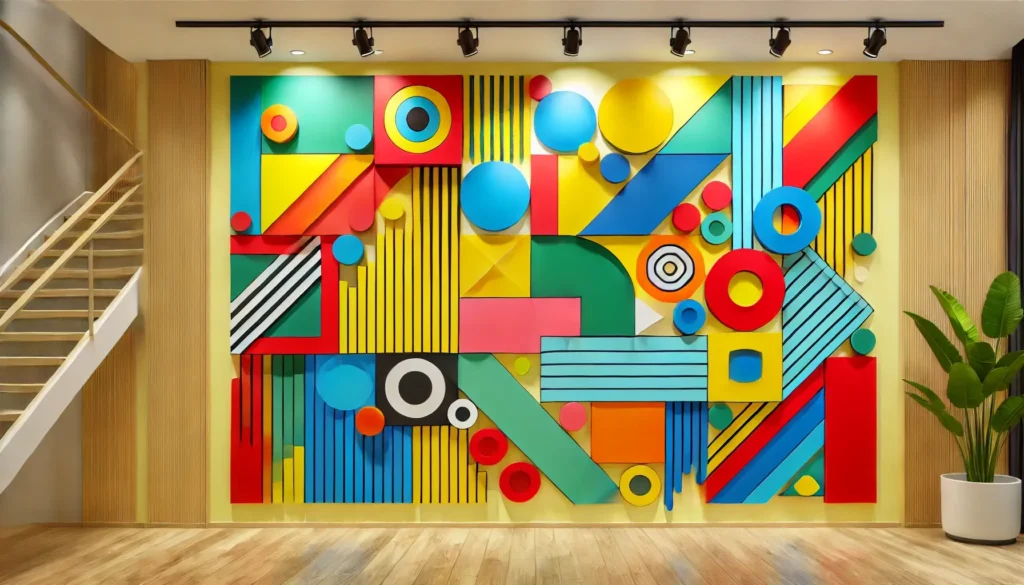
Self-adhesive vinyl transforms walls without permanent alteration, critical in rental spaces or commercial premises with restrictive lease terms. The material applies directly to painted walls, creating seamless graphics that appear painted. Quality vinyl lasts years but removes cleanly when needed, leaving walls undamaged. For comprehensive coverage across entire surfaces, interior wall wraps offer complete transformations that combine branding with visual impact.
Application technique determines results. Professional installation eliminates bubbles and achieves crisp edges. Poor application shows immediately: wrinkles, bubbles, peeling corners. For large-scale graphics covering entire walls, professional fitting justifies the cost.
Design flexibility makes vinyl graphics powerful commercial tools. Update graphics seasonally, refresh branding when identities evolve, rotate marketing messages responding to campaigns. A restaurant might change wall graphics quarterly reflecting seasonal menus. A gym could update motivational graphics aligned with January resolution pushes or summer body campaigns.
Custom Printed Wallpaper
Digital printing technology allows completely custom wallpaper: your photographs, your artwork, your designs at any scale. Aerial photographs of meaningful locations, abstract art in precise colours. Possibilities extend infinitely.
Image resolution matters critically. Low-resolution images pixelate badly at wall scale. Professional printing companies provide resolution requirements, typically 150dpi at final printed size. Most phone photographs don’t meet these standards. Professional photography or properly sized digital artwork ensures crisp, clear results.
Typography and Quote Walls
Text-based graphics create impactful feature walls using words rather than images. Company mission statements in reception areas, inspirational quotes in gyms, menu descriptions in restaurants: typography alone creates strong visual identity when executed properly.
Font selection drives effectiveness. Readable fonts work better than elaborate scripts. People should understand messaging instantly, not decode decorative lettering. Size needs careful balancing: large enough to read from across rooms but not so overwhelming that walls scream rather than speak.
Dimensional letters add physical depth beyond flat graphics. Laser-cut acrylic, brushed metal, or painted wood letters fixed to walls create shadow play and tactile interest. LED backlighting behind dimensional letters produces sophisticated illuminated effects.
Modern Feature Wall Designs
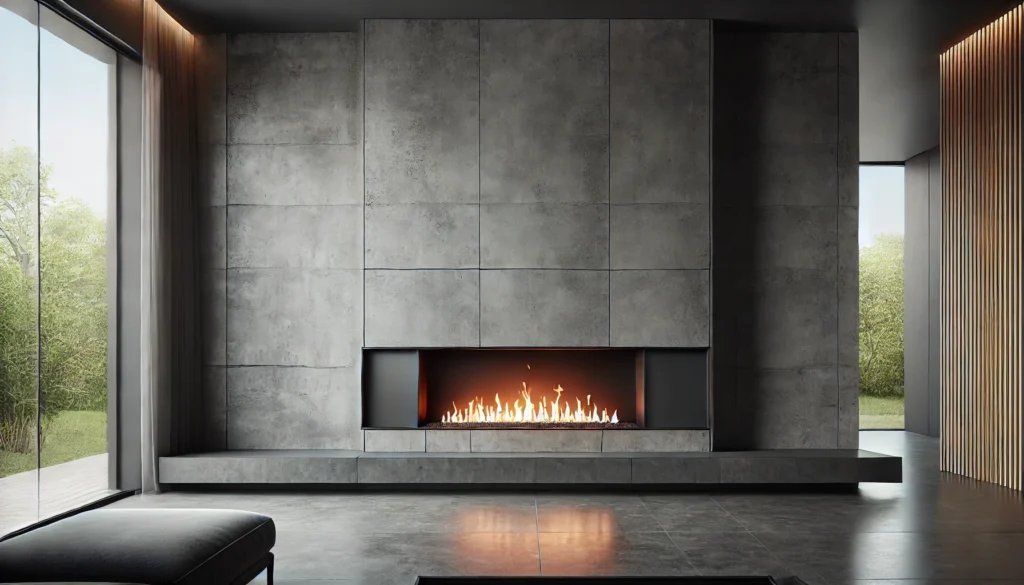
Modern feature walls favour clean lines, geometric precision, and restrained colour palettes. The aesthetic prizes sophistication over decoration, impact through composition rather than ornament. This doesn’t mean cold or minimal. Modern design can feel warm and welcoming through intentional, considered, refined choices.
Geometric Patterns
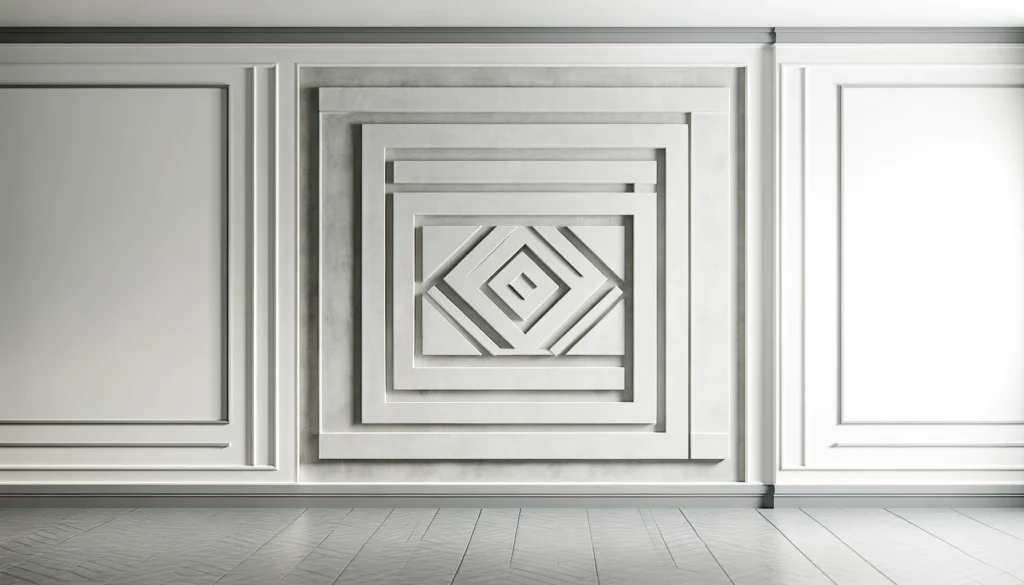
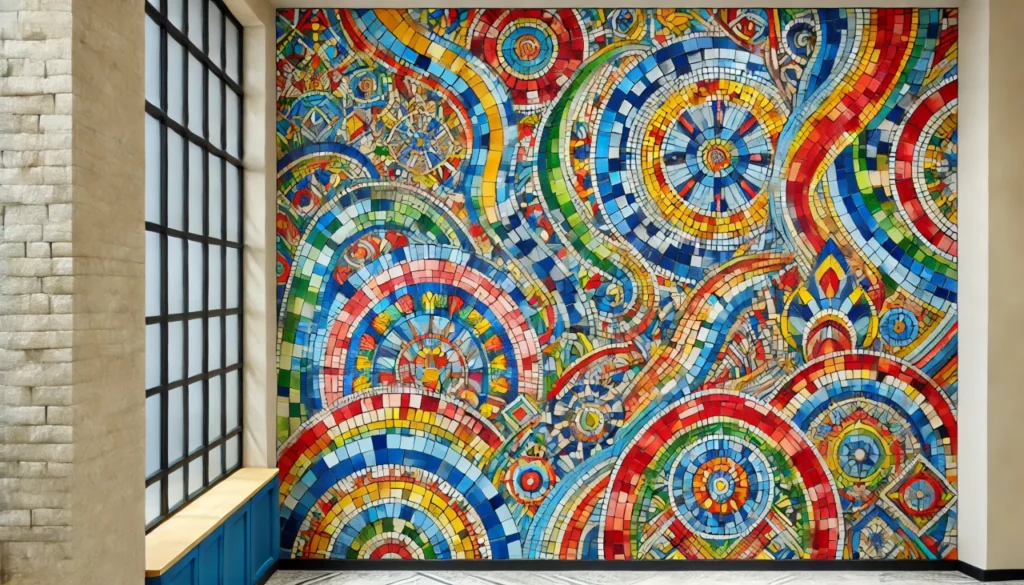
Geometric wallpapers and painted patterns create modern visual interest without representational imagery. Hexagons, chevrons, triangles, or abstract angular compositions provide rhythm and movement through repetition and variation. Metallic accents within geometric patterns (gold or copper highlights catching light) add luxury without losing modern sensibility.
Scale affects impact dramatically. Large-scale geometric patterns make bold statements, particularly suited to generous spaces with high ceilings. Small-scale patterns create texture and interest that reads clearly close-up but provides overall tone from distance.
Monochromatic Schemes
Single-colour feature walls in deeper or lighter tones than surrounding walls create subtle distinction. Charcoal grey in otherwise white rooms, deep navy alongside pale blue walls: tonal variation provides sophistication through restraint. These approaches suit spaces where feature walls need presence without dominating.
Texture becomes critical in monochromatic schemes. Without colour variation creating interest, surface quality does the work. Smooth painted walls alongside textured wallpaper, flat sections meeting three-dimensional panels: these contrasts create visual intrigue within unified colour stories.
Feature Wall Materials and Options
Paint Techniques
Paint remains the most accessible feature wall material. Colour blocking (geometric shapes in contrasting colours) creates instant impact with tape and rollers. Two-tone horizontal splits divide walls between dark lower sections and light upper portions, altering room proportions whilst adding interest.
Ombré effects transition gradually between colours, creating an artistic atmosphere. The technique demands patience: multiple paint layers blending whilst wet, but delivers unique results. Blues fading to whites suggest seaside calm, greys transitioning to whites create sophisticated neutrality.
Wallpaper Options
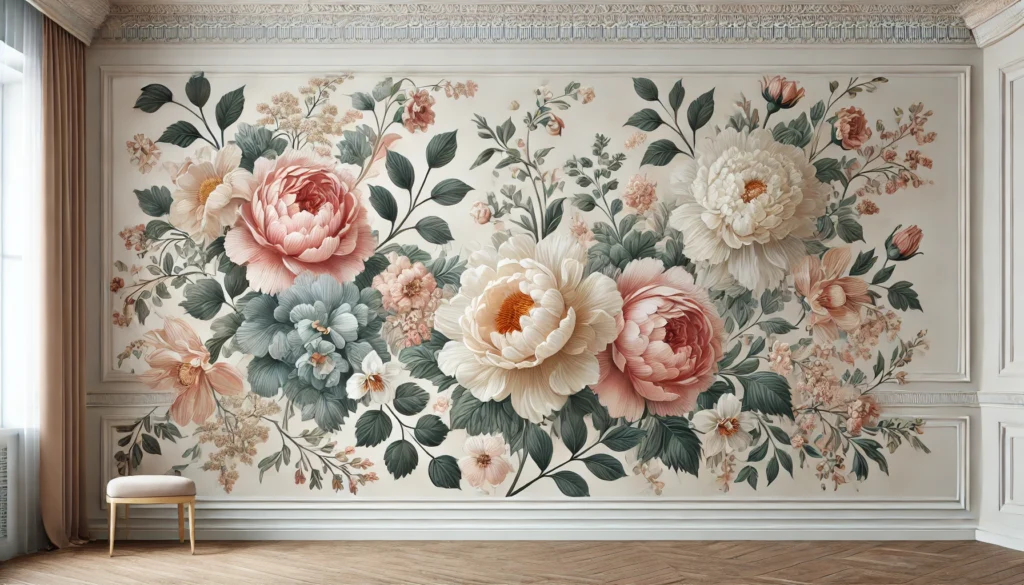
Wallpaper provides pattern and texture paint can’t achieve. Contemporary patterns (geometric abstracts, botanical prints, marble effects) suit modern interiors. Traditional designs (damasks, stripes, florals) create classical elegance.
Textured wallpapers add physical dimension. Grasscloth creates natural, organic surfaces with subtle colour variation. Flock wallpaper offers tactile velvet-like patterns. Embossed papers provide raised designs adding shadow and depth. Removable wallpaper revolutionised rental and temporary applications. The material applies like contact paper, adhering without paste and removing without wall damage.
Wood Treatments
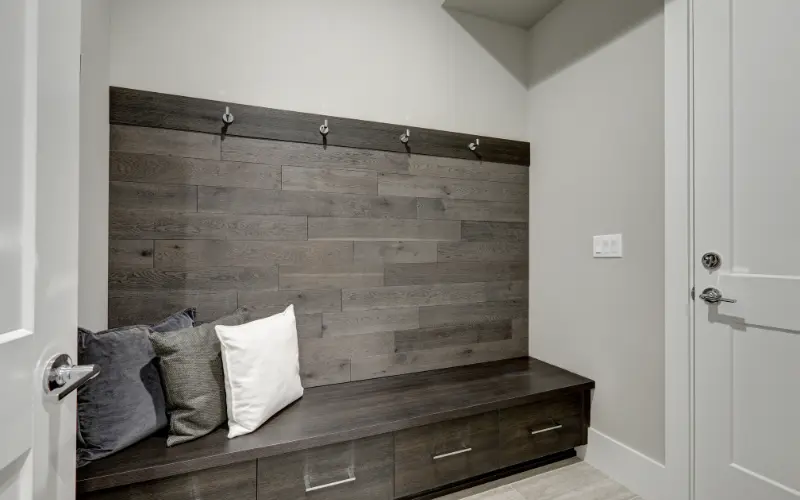
Wooden wall treatments bring natural warmth and organic texture. Vertical slats create rhythmic patterns and visual height. Horizontal planks suggest rustic charm or contemporary minimalism depending on finish. Reclaimed wood tells stories through aged patina and weathering, whilst new timber offers a clean, consistent appearance. Exploring creative wood feature walls reveals diverse approaches from minimalist modern to richly textured traditional styles.
Wood panel systems (geometric arrangements of varying timber tones) create modern artistic feature walls. Light oak sections alternating with dark walnut, maple panels mixed with cherry: these combinations celebrate wood’s natural variation whilst maintaining geometric order.
Wood finishing affects character dramatically. Natural oil finishes enhance grain whilst maintaining timber’s organic feel. Painted wood offers colour whilst retaining texture. Stained wood adjusts tone without obscuring grain patterns.
3D Panels and Textured Surfaces
Three-dimensional wall panels create sculptural feature walls through repeated geometric forms. Wave patterns suggest organic flow. Angular facets create crystalline complexity. Organic curves reference natural forms.
Material options suit different applications. Lightweight foam panels painted any colour offer affordability and DIY-friendly installation. Plaster panels provide substantial weight and a luxurious feel. Wooden 3D panels combine natural warmth with geometric precision.
Lighting transforms 3D panels from interesting to extraordinary. Light raking across textured surfaces emphasises depth and shadow. The same panel looks completely different under changing light: flat and subtle in soft ambient light, dramatically sculptural under directional spots.
Planning Your Feature Wall
Choosing the Right Wall
In commercial spaces, the most effective feature walls are positioned where they create immediate impact for customers and visitors. The first wall seen on entry (such as behind a reception desk, waiting area, or main branding zone) naturally becomes the strongest focal point. Architectural elements like structural columns, alcoves, or central display areas can also provide ready-made feature locations that enhance the overall layout.
Avoid walls interrupted by multiple functional fittings such as fire exit signage, access panels, switches, or heavy service runs, as these can disrupt clean design execution. Clear, uninterrupted surfaces allow branding, graphics, or textured finishes to appear more professional and intentional.
Lighting Considerations
Lighting makes or breaks feature walls. Flat lighting washes out texture and colour variation. Directional lighting emphasises texture whilst creating drama through shadow.
Picture lights specifically illuminate wall surfaces, preventing them from looking dull in evening ambient lighting. Uplighters wash light across walls from floor level, emphasising texture through low-angle illumination. Track lighting allows adjustable spotlights highlighting different wall areas. LED strip lighting creates backlit glow effects behind floating panels or in shadow gaps.
Feature Wall Comparison
| Treatment | Installation Difficulty | Lifespan | Maintenance | Best For |
| Paint | Easy | 3-5 years | Low | Budget-conscious, quick refresh |
| Wallpaper | Medium | 5-10 years | Low | Pattern lovers, texture seekers |
| Vinyl Graphics | Medium | 3-7 years | Very Low | Branding, commercial |
| Wood Panels | Hard | 10-20 years | Medium | Warmth, natural aesthetic, permanence |
| Stone/Brick | Hard | 20+ years | Low | Luxury, texture, permanent installations |
| 3D Panels | Medium | 10-15 years | Low | Modern drama, sculptural interest |
| Fabric Panels | Medium | 5-10 years | Medium-High | Acoustics, softness, comfort |
| Premium Materials | Hard | 20+ years | Low | Luxury projects, statement pieces |
Frequently Asked Questions
Can feature walls work in rooms with low ceilings?
Yes. Use vertical patterns or stripes to visually elongate walls and make ceilings appear higher. Avoid horizontal patterns which emphasise low ceiling height. Painting the ceiling the same colour as your feature wall can also help blur boundaries and increase perceived height.
Should feature walls extend onto the ceiling?
Only in specific circumstances. Extending bold colours or patterns onto ceilings can make rooms feel smaller and more enclosed. However, in rooms with very high ceilings, extending the feature wall upward can help bring scale down. Generally, stop feature wall treatments at ceiling height unless you’re deliberately creating a wrapped, immersive effect.
Can you paint over textured wallpaper?
You can, but results vary. Lightly textured wallpaper accepts paint reasonably well. Heavily textured or embossed patterns will show through paint, which might be desirable or distracting depending on your goals. Test on a small area first. For complete coverage, removing wallpaper and starting fresh gives better results.
How do I prevent feature walls from clashing with furniture?
Choose your feature wall treatment before buying furniture, or vice versa. Never commit to both simultaneously. If you have existing furniture, take fabric samples or photos when selecting wall materials. Use colour wheels to find complementary or analogous colours rather than guessing. When in doubt, neutral feature walls work with any furniture.
How often should feature walls be updated?
There’s no rule. Paint fades or dates after 3-5 years. Wallpaper lasts 5-10 years before looking tired. Permanent materials like wood or stone remain beautiful for decades. Update when you’re bored, when trends shift dramatically, or when wear becomes noticeable, not according to arbitrary schedules.
Will a dark feature wall make my small room feel smaller?
Not necessarily. Dark walls can actually make small rooms feel more intimate and cosy rather than cramped. The effect depends on lighting, ceiling height, and how much natural light enters. Test dark colours with large samples before committing. Pair dark feature walls with light furniture and floors to maintain balance.
Can I create a feature wall on a textured or uneven surface?
Some treatments work better than others on imperfect walls. Vinyl graphics and removable wallpaper conform to slight texture. Paint requires smooth surfaces for best results; you’ll see every imperfection. Wood panelling and 3D panels actually hide wall imperfections completely. Assess your wall condition before selecting treatment type.
Conclusion
Feature walls transform spaces through focused investment rather than whole-room renovation. Whether you’re creating brand presence in commercial environments, establishing professional identity in offices, or expressing personal style in lounges, the right feature wall delivers impact disproportionate to its cost. Materials range from budget-friendly paint to luxurious natural stone, with options suiting every aesthetic preference and financial reality. Success comes from choosing treatments aligned with your space’s purpose, your practical constraints, and your visual objectives, not from following trends or copying magazine rooms. The best feature wall is one that solves your specific challenge whilst delighting you every time you see it. For expert guidance on commercial feature walls and signage solutions, Magenta Signs Ltd brings experience creating impactful visual environments across diverse commercial applications.