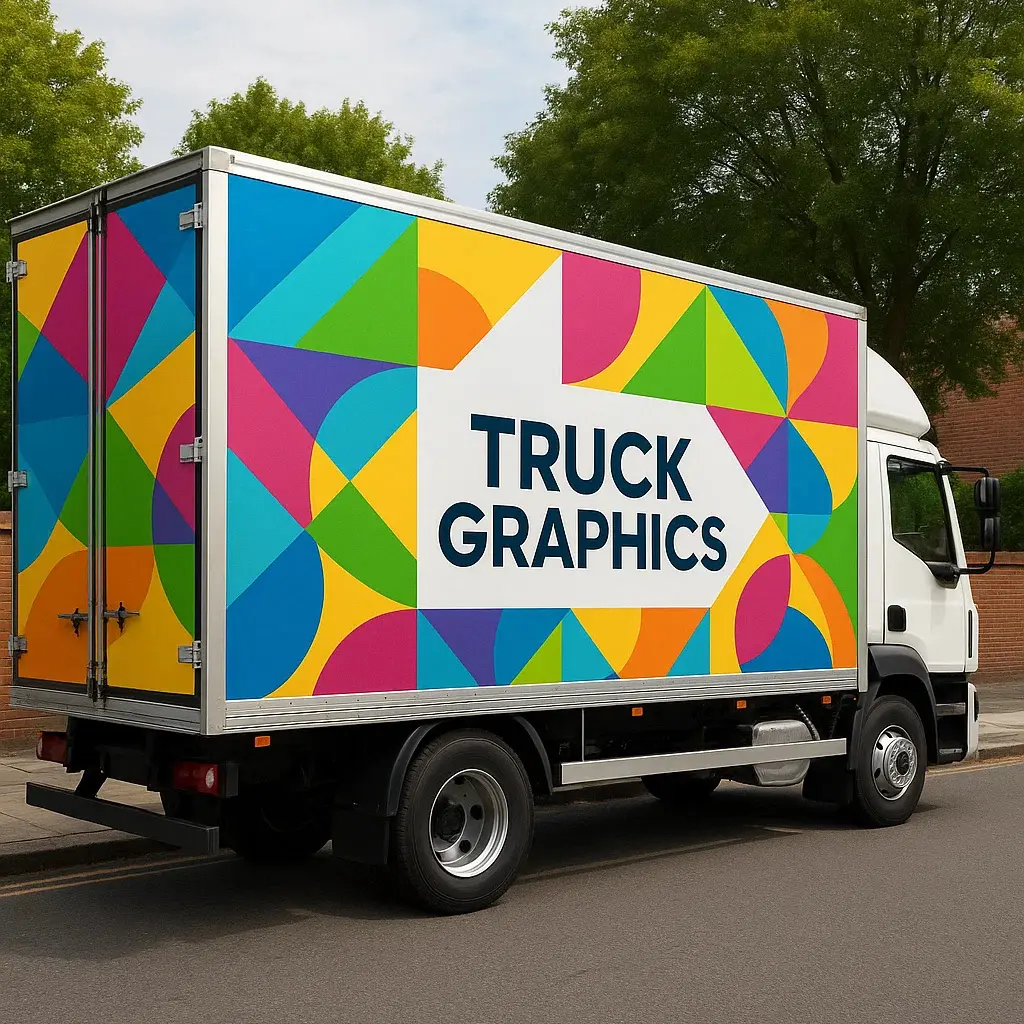
Installing vinyl graphics on a truck or lorry isn’t particularly difficult, but it does demand patience and attention to detail. Rush the job, and you’ll end up with air bubbles, misaligned graphics, or worse—vinyl that starts peeling within weeks.
The good news is that with the right preparation, proper tools, and a methodical approach, you can achieve professional-looking results. Whether you’re applying full truck wrap graphics to a fleet vehicle or adding simple lettering to your van, the fundamentals remain the same: clean surface, correct positioning, smooth application.
Here’s everything you need to know to get it right first time.
Tools and Materials You’ll Need
Before you start, gather everything you’ll need. Stopping mid-installation to hunt for a tool is how mistakes happen.
Essential Installation Tools
Application tools:
- Squeegee (felt-edged for vinyl, not hard plastic)
- Heat gun or hairdryer (for curves and final adhesion)
- Sharp craft knife or precision cutting tool
- Measuring tape and pencil
- Masking tape (low-tack, designed for automotive use)
Surface preparation:
- High-quality car wash detergent
- Isopropyl alcohol (70% minimum concentration)
- Lint-free microfibre cloths
- Spray bottle for soapy water solution (if using wet method)
- Clean bucket and fresh water
Optional but helpful:
- Application fluid/slip solution (purpose-made for vinyl installation)
- Magnets (for initial positioning on metal surfaces)
- Primer pen (for difficult curves or textured surfaces)
- Infrared thermometer (to check surface temperature)
The quality of your squeegee matters more than most people realise. A hard-edged tool will scratch the vinyl; a felt or foam edge distributes pressure evenly and prevents damage.
Pre-Installation: Preparing Your Vehicle
Cleaning the Surface Properly
This is where most DIY installations fail. Start by washing the entire application area with high-quality car wash detergent and water to remove loose dirt, road grime, and surface contaminants. If there are existing decals or residue, take time to remove window stickers and any leftover adhesive before cleaning. Rinse thoroughly and let it dry completely—water trapped under vinyl will cause adhesion failure.
Next comes the critical step: treating the clean surface with isopropyl alcohol. This removes residual oils, waxes, and silicones that water alone cannot eliminate. Apply the alcohol liberally on a lint-free cloth and wipe the surface systematically, using overlapping strokes to ensure complete coverage.
Don’t skip corners, panel edges, or areas around door handles. These spots collect wax and polish residue that will prevent proper adhesion.
Inspecting for Damage
Vinyl won’t hide underlying problems—it will accentuate them. Deep scratches, dents, or rust spots will show through, particularly with lighter-coloured graphics. Much like canvas printing, where surface imperfections affect the final look, vehicle graphics rely on a clean, even base to achieve sharp, professional results.
Minor imperfections are usually fine. The vinyl can bridge small scratches without issue. But significant damage needs addressing before you apply anything. Fill deep scratches, treat rust, and ensure the surface is as smooth as possible.
If you’re working with an older vehicle, consider whether the existing paint is sound enough to support vinyl. Peeling or flaking paint will pull away when you eventually remove the graphics.
Temperature and Environment Requirements
Vinyl is temperature-sensitive. Too cold, and it won’t conform to curves properly. Too hot, and the adhesive becomes overly aggressive, making repositioning difficult.
The ideal working temperature is 15-25°C for both the vinyl and the vehicle surface. Below 10°C, the adhesive doesn’t bond effectively. Above 30°C, you’ll struggle with premature adhesion.
If possible, work indoors or in a covered area. Wind carries dust that can land on tacky adhesive. Direct sunlight heats panels unevenly, making it harder to achieve consistent results.
Installation Methods: Wet vs Dry Application
You’ll encounter two main approaches to vinyl installation. Each has its place.
The Wet Method
This involves spraying the surface with a soapy water solution before applying the vinyl. The liquid creates a temporary barrier between the adhesive and the surface, allowing you to reposition the graphic as you squeegee out the solution.
When to use wet application:
- Large graphics where precise initial placement is difficult
- When working alone without assistance
- Complex designs requiring exact alignment
- First-time installers who need positioning flexibility
Mix a few drops of washing-up liquid in a spray bottle of water. Spray the surface liberally after cleaning with alcohol. Apply the vinyl, position it correctly, then squeegee from the centre outward, pushing out both the solution and any air.
The downside: you’ll need to wait 24-48 hours for the adhesive to cure fully, and there’s a higher risk of water being trapped if you don’t squeegee thoroughly.
The Dry Method
Dry application means applying vinyl directly to the prepared surface without any liquid intermediary. The adhesive bonds immediately on contact.
When to use dry application:
- Smaller decals and graphics
- When you have assistance to hold larger pieces
- Simple designs with straightforward alignment
The advantage is immediate adhesion—the graphic is secure as soon as you squeegee it down. No waiting for the solution to evaporate. The challenge is that you get one chance at positioning. Once vinyl touches the surface, repositioning becomes difficult or impossible.
At Magenta Signs, we typically use dry application for most commercial graphics and vehicle wrap projects, reserving wet methods for particularly large or complex installations where repositioning flexibility outweighs the longer curing time.
| Method | Best For | Repositioning | Cure Time | Difficulty |
| Wet | Large graphics, solo installers, complex designs | Easy until squeegeed | 24-48 hours | Beginner-friendly |
| Dry | Small-medium graphics, simple designs, experienced installers | Very limited | Immediate | Requires precision |
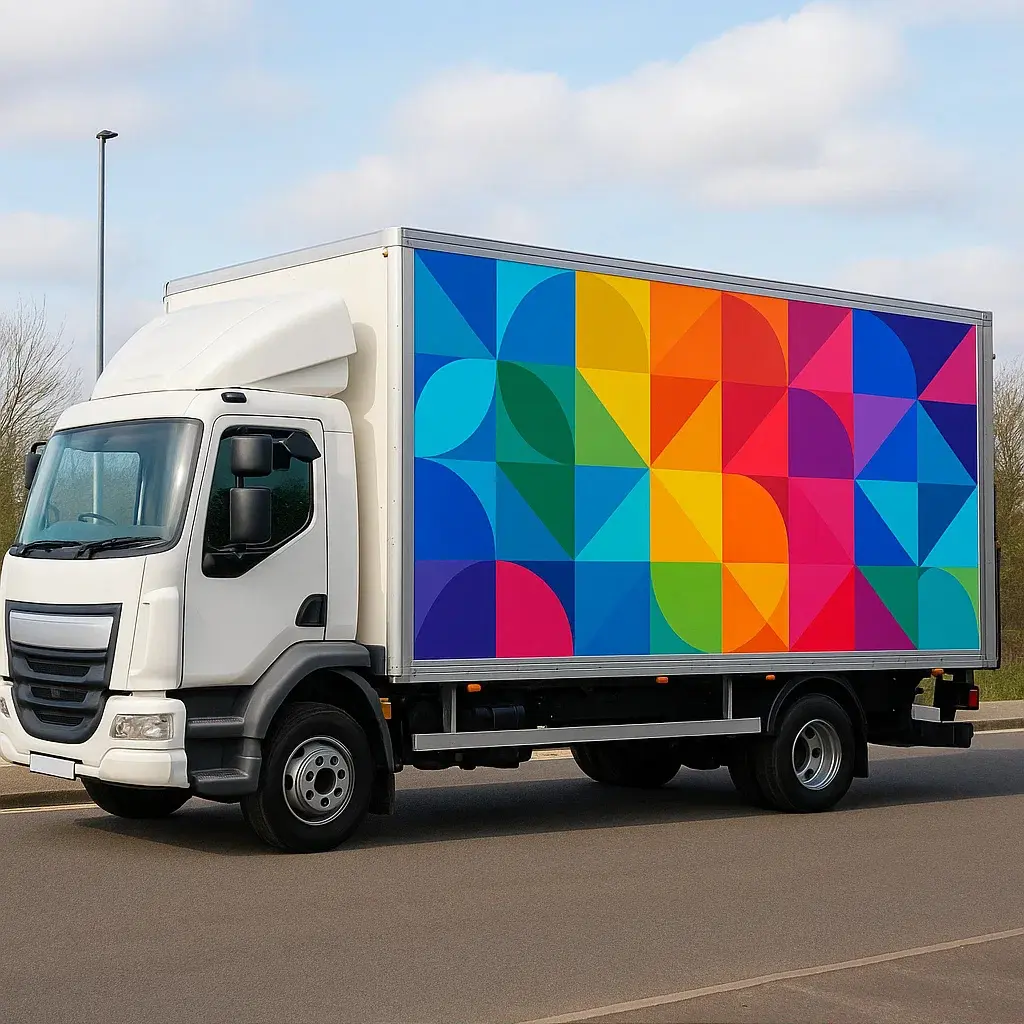
Step-by-Step Installation Process
Step 1: Measure and Position Your Graphics
Use your measuring tape to find the exact centre point of the application area, then mark it lightly with a pencil. If your graphic has a central element (like a logo), this becomes your reference point.
For graphics with text or complex elements, create a horizontal guideline using masking tape. This ensures your lettering sits level rather than gradually sloping across the panel.
Hold the graphic up against the vehicle without removing any backing paper. Step back and check the positioning from multiple angles, using proven truck wraps ideas as a reference to judge balance, spacing, and how the design reads from a distance. What looks centred from directly in front might appear off-balance from the side.
Step 2: Secure with Masking Tape
Once you’re confident about positioning, secure the top edge of the graphic with masking tape, creating a hinge. This lets you flip the graphic up to remove the backing whilst maintaining perfect alignment.
Use enough tape to hold firmly but not so much that you create a thick ridge. Three or four pieces along the top edge usually suffices.
Step 3: Prepare the Surface
For dry method: Give the surface one final wipe with isopropyl alcohol and a clean cloth. Let it evaporate completely—usually 30 seconds to a minute.
For wet method: Mix your soapy water solution (just a few drops of washing-up liquid in a spray bottle) and spray the surface liberally.
Step 4: Remove Backing and Apply
Flip the graphic up on its masking tape hinge. Peel away the backing paper slowly, taking care not to let the vinyl fold onto itself. If you’re working with pre-masked vinyl (where the graphic has a transfer tape over the top), the vinyl will release from the backing and stick to the transfer tape.
For dry application, lower the vinyl gradually from the taped edge downward. For wet application, lay it onto the wet surface.
Step 5: Squeegee Out Air and Solution
Start from the centre and work outward using firm, overlapping strokes. Hold the squeegee at roughly 45 degrees to the surface. Too flat, and you won’t push out air effectively. Too steep, and you risk scratching the vinyl.
Work methodically. Each stroke should overlap the previous one by about 50%. Pay particular attention to edges and corners where air tends to get trapped.
For wet application, keep squeegeeing until no more solution appears at the edges.
Step 6: Work Around Complex Areas
Door handles, mirrors, panel gaps, and curves require different techniques.
For curves: Use your heat gun to gently warm the vinyl. This makes the material more pliable. Apply heat in sweeping motions, never holding it in one spot. The vinyl should feel warm and slightly stretchy, not hot.
Stretch the vinyl around the curve whilst squeegeeing. Work in small sections, heating and forming as you go.
For recesses and raised areas: Use the squeegee edge or your finger wrapped in a cloth to press vinyl into recesses. Heat helps here too.
Around fixtures: You have two options. Either remove the fixture (door handles often come off with a couple of screws), apply the vinyl, and cut around where the fixture will go. Or carefully cut the vinyl to fit around the fixture in situ. The first method usually gives neater results.
Step 7: Trim Excess Material
Once the vinyl is applied and smoothed, trim away excess material using your craft knife. Cut along panel edges, around fixtures, and at natural trim lines.
Use a light touch. You want to cut through the vinyl cleanly without scoring the paint beneath. New, sharp blades are essential—dull blades require more pressure and are more likely to slip.
For panel edges, tuck the vinyl edge slightly under the trim or into the gap. This prevents the edge from lifting over time.
Step 8: Final Heat Application and Inspection
A final pass with your heat gun helps the adhesive bond fully and seals the edges. Use moderate heat, working across the entire graphic. Pay extra attention to edges and any areas that look like they might lift.
Check for trapped air bubbles. Small bubbles (pinhead size) will often disappear within a few days as air works its way out through the vinyl. Larger bubbles need addressing—pierce them with a pin, press the air out, and seal with gentle heat.
Installing Graphics on Different Vehicle Areas
Flat Panels and Doors
These are the easiest areas to work with. The technique described above works perfectly for doors, side panels, and other flat or gently curved surfaces—areas that are especially important in food truck graphic design, where menus, branding, and imagery need to be instantly readable at street level.
The main consideration is ensuring graphics align with panel lines and sit level relative to the vehicle’s horizontal axis, not the panel edge (which might not be perfectly level).
Curved Surfaces and Body Lines
Modern vehicles have compound curves that require the vinyl to stretch in multiple directions simultaneously. This is where heat becomes essential.
Apply heat, stretch gently, squeegee, move to the next section. Don’t try to force unheated vinyl around tight curves—it will either pull away from the surface or create stress points that lead to premature failure.
Some curves are too extreme for standard vinyl without specialist techniques. If you’re attempting this on a particularly curvy vehicle, consider whether a simpler design might work better.
Around Door Handles and Mirrors
Professional installers often remove these fixtures entirely before applying vinyl. If you’re comfortable with basic vehicle disassembly, this approach gives the cleanest results.
If removing fixtures isn’t practical, cut relief cuts in the vinyl to allow it to lay flat around the obstruction. These cuts should be precise and minimal—just enough to relieve tension without creating visible gaps.
Large Fleet Graphics Installation
When installing graphics across multiple vehicles, consistency matters. Create templates or detailed measurement guides to ensure each vehicle in the fleet looks identical.
Photograph the first installation from multiple angles. These become your reference for subsequent vehicles. Small variations in placement that seem insignificant on one truck become obvious when that truck parks next to three others with slightly different positioning.
Common Installation Mistakes to Avoid
- Applying vinyl in direct sunlight or extreme temperatures. The heat causes adhesive to bond before you’ve positioned correctly.
- Insufficient surface preparation. Every speck of dirt, every trace of wax becomes a potential failure point.
- Stretching vinyl too aggressively. Overstretch it and the material becomes thinner, colour shifts slightly, and it wants to pull back to its original size.
- Not using enough heat on curves. Trying to force unheated vinyl around curves leads to stress points, wrinkles, or vinyl that pulls away later.
- Trapping air bubbles and ignoring them. Large bubbles won’t work themselves out. Address them immediately.
- Cutting on the vehicle paint. Always use minimal pressure when trimming. Fresh blades, light touch.
- Working in dusty or windy conditions. Dust landing on tacky adhesive creates permanent bumps under the vinyl.
- Rushing the wet method and not squeegeeing thoroughly. Solution trapped under vinyl prevents proper adhesion.
- Applying vinyl over damaged paint. If the underlying paint is compromised, removing the vinyl later will pull it away.
- Not allowing proper cure time. Give the adhesive time to bond fully before exposing the vehicle to weather or washing it.
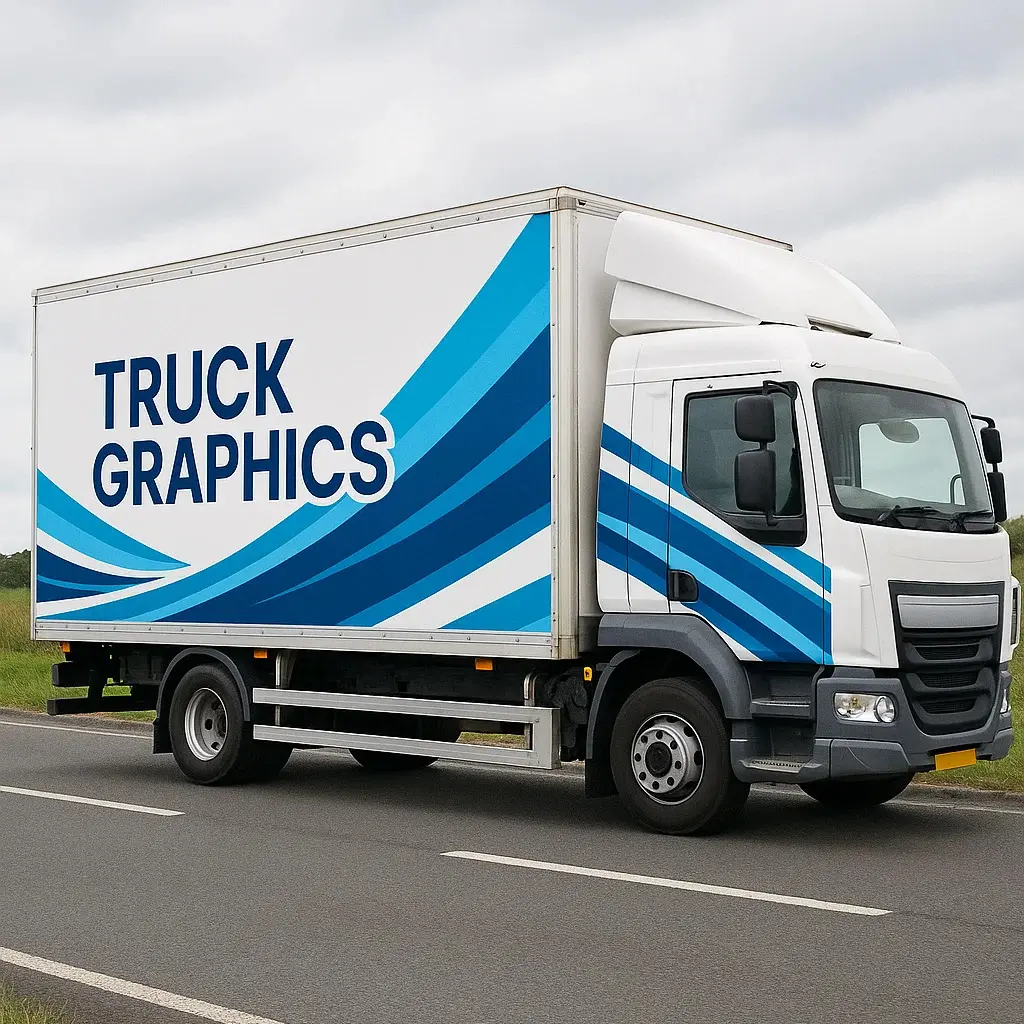
Troubleshooting Installation Problems
| Problem | Likely Cause | Solution |
| Air bubbles under vinyl | Insufficient squeegeeing or contaminated surface | Pierce with a pin, press air out, apply gentle heat to reseal |
| Vinyl lifting at edges | Inadequate edge sealing or dirt along edge | Clean edge, apply heat, press firmly. Consider edge sealer product |
| Wrinkles in vinyl | Attempting to cover curves without heat, or overstretching | Lift vinyl, apply heat, reapply smoothly with moderate stretch |
| Poor adhesion | Surface too cold, contaminated, or vinyl past its shelf life | Remove, clean surface thoroughly, ensure 15°C+ temperature, use fresh vinyl |
| Vinyl won’t conform to curve | Insufficient heat or vinyl not designed for that application | Apply more heat gradually, consider using cast vinyl for extreme curves |
| Colour variation across graphic | Overstretching vinyl or uneven heat application | Lift and reapply without excessive stretching |
| Silvering (hazy appearance) | Vinyl not fully adhered, microscopic air trapped | Apply firm pressure with squeegee and heat |
Post-Installation Care
Curing Time Requirements
The adhesive needs time to reach full bond strength. For dry application, the graphics are secure enough for normal use within an hour or two. Full cure takes 24-48 hours.
Wet application requires longer—48-72 hours for full cure. During this time, avoid washing the vehicle, driving in heavy rain if possible, or applying pressure to the vinyl.
First Wash Guidelines
Wait at least 48 hours before washing, preferably a week. When you do wash:
- Use hand washing only. Automated car washes with brushes can catch vinyl edges and peel them up
- Avoid pressure washers aimed directly at edges and seams
- Use pH-neutral car wash soap, not household detergents
- Don’t use abrasive cloths or sponges
Long-Term Maintenance
Vinyl graphics last longest when cared for properly. Park under cover when possible—UV exposure is the primary cause of colour fading. Wash regularly to prevent dirt buildup, but always hand wash gently.
Avoid waxes containing petroleum distillates, which can degrade vinyl over time. Purpose-made vinyl protectants help maintain colour and prevent fading.
Inspect edges periodically. Catching a small lift early and resealing it prevents progressive peeling.
Frequently Asked Questions
How long does it take to install truck graphics?
A simple one-colour company name on the doors of a van might take 2-3 hours for someone with basic experience. A full lorry wrap with complex graphics can take 8-12 hours or more, often spread across two days. Your first installation will take longer than subsequent ones as you develop technique.
Can you install vinyl graphics in cold weather?
It’s possible but not ideal. Below 10°C, adhesive doesn’t bond effectively, and the vinyl becomes less flexible. If you must work in cold conditions, warm the vehicle panels with a heat gun before application and maintain warmth throughout. Better yet, work in a heated garage.
What temperature is best for vinyl installation?
Between 18-24°C is ideal. The vinyl is pliable without being overly sticky, and the adhesive bonds reliably. You can work outside this range (roughly 15-30°C is acceptable), but extreme temperatures make the job harder.
How do you remove air bubbles from vinyl graphics?
For small bubbles, wait a week—many disappear naturally. For larger bubbles, pierce at the edge with a clean pin, press the air out toward the hole, and apply gentle heat to reseal. Prevention is easier than cure, so squeegee thoroughly during initial application.
Should I use wet or dry method for large graphics?
Wet method offers more positioning flexibility for large graphics, which is valuable when working alone or with complex designs. The trade-off is longer curing time and slightly higher risk of trapped moisture if you don’t squeegee thoroughly. For very large installations, the repositioning benefit usually outweighs the disadvantages.
Can I install truck graphics myself or should I hire a professional?
Simple graphics—single-colour lettering, small logos—are manageable DIY projects if you’re patient and follow proper technique. Full wraps, complex multi-panel designs, or graphics covering compound curves benefit from professional installation. The material cost is significant enough that a botched DIY attempt becomes expensive quickly.
What happens if vinyl graphics aren’t installed correctly?
Poor installation leads to premature failure. Air bubbles create weak points. Inadequate surface prep causes adhesion failure. Vinyl applied without proper heat on curves develops stress points that eventually tear or lift. Most installation failures manifest within the first few weeks, though some problems take months to appear.
Getting Professional Results
Installing vinyl graphics successfully comes down to preparation, patience, and attention to detail. Clean the surface better than seems necessary. Take your time with positioning—much like you would when reviewing layouts for print fabric posters, where finish and clarity matter just as much as the design itself. Work methodically with your squeegee and apply heat where needed.
Your first installation will probably take longer than expected and might not be perfect. That’s normal. The technique improves with practice, and even imperfect graphics done properly will last for years.
For complex installations—particularly full wraps or graphics covering difficult curves—professional help ensures it’s done right first time. If you’d like guidance on your specific project, Magenta Signs can provide straightforward advice based on years of vehicle graphics experience.