

Introduction
When it comes to shop front signage, one of the most common questions UK business owners ask is whether illuminated or non-illuminated signs are the better investment. The right sign for your business comes down to four things: trading hours, location, brand and budget. What works brilliantly for a busy high street takeaway may be entirely unsuitable for a solicitor’s office on a business park. This guide gives you a clear, practical comparison so you can make a confident decision for your premises.
What Is Illuminated Signage?
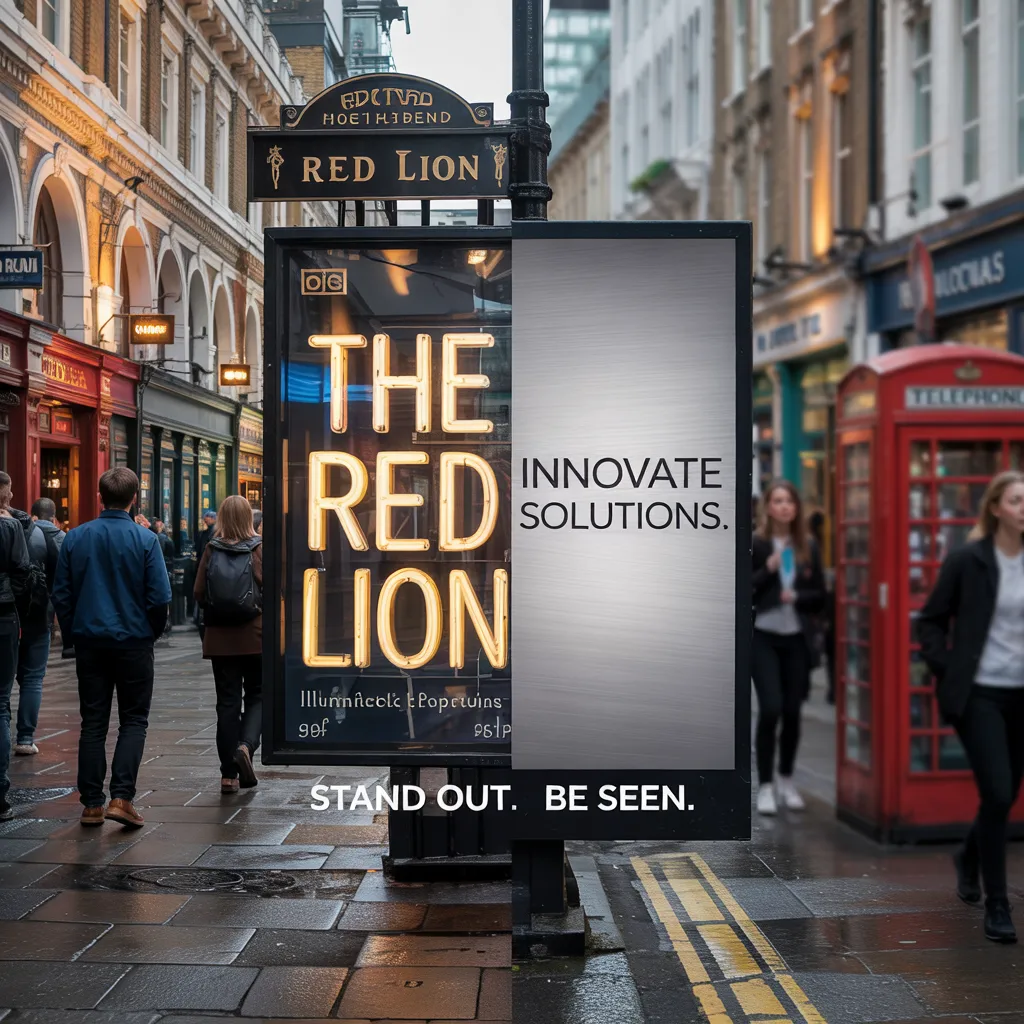
Illuminated signage incorporates a light source directly into the sign, keeping your shop front visible after dark and during the overcast conditions that are a regular feature of the British climate. Most illuminated signs now use LED technology, which balances energy efficiency with a long operational life.
Common formats include:
- Lightbox signs with a printed or acrylic face, ideal for bold and high-visibility branding
- Halo lit signs where light is projected onto the backing surface, creating a refined glow around the lettering
- Front lit channel letters are individually fabricated with LEDs housed inside each letter
- Illuminated fascia signs covering the full fascia with integrated lighting across the sign face
These formats suit restaurants, takeaways, convenience stores, gyms and salons particularly well, as evening visibility directly affects footfall and revenue for these businesses.
What Is Non-Illuminated Signage?
Non-illuminated signs rely on natural or ambient light. They are the right choice for a wide range of UK businesses and environments, from professional services firms to managed office buildings and retail parks.
Common formats include:
- Flat panel fascia boards with vinyl lettering or digital print
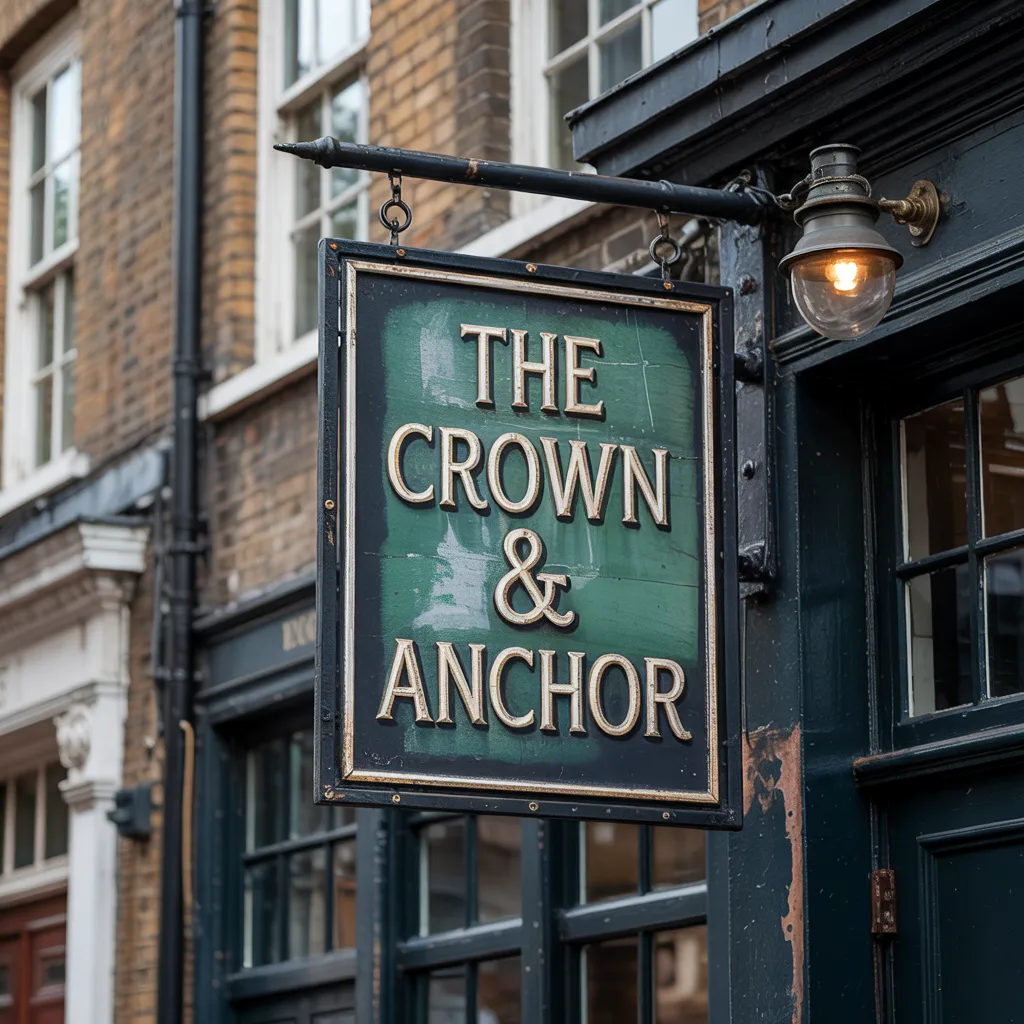
- Painted or traditional shop signs on timber or composite boards
- Non-illuminated wayfinding and event signs used in schools, hospitals, business campuses and public venues
These signs are straightforward to install, carry minimal ongoing maintenance costs and represent a practical solution across a broad range of business types.
Signage Visibility: Day vs Night
Daytime visibility is rarely a concern for either type, provided the design, contrast and scale are well judged. The real difference emerges after dusk and on the short, grey days that define autumn and winter across the UK.
| Condition | Illuminated Signs | Non-Illuminated Signs |
| Bright daylight | Excellent | Excellent |
| Overcast or heavy rain | Good | Good, subject to contrast and scale |
| Evening and late trading | Excellent | Limited |
| Night-time visibility | Excellent | Poor without external lighting |
For businesses on competitive high streets where customers pass by well into the evening, illuminated signs deliver a clear advantage. For those operating standard business hours in professional environments, non-illuminated signs perform reliably and often better reflect the brand.
When Illuminated Signs Are the Right Choice
Illuminated signage earns its place when trading hours extend beyond daylight or when your premises sit in a high-competition location. The shorter days of a British winter mean that even a business closing at six o’clock benefits from a lit shop front for a significant portion of the year.
Well-suited to:
- Restaurants, cafés, bars and takeaways
- Gyms, beauty salons and health clinics with evening appointments
- Convenience stores, pharmacies and forecourt retail
- High street businesses where passing trade drives a meaningful share of revenue
Beyond visibility, an illuminated shop front signals that a business is open and active, something non-illuminated signs cannot communicate at night. If you are considering this route, Magenta Signs Ltd can assess your location and recommend the most suitable format before you commit to a specification.
When Non-Illuminated Signs Are the Right Choice
Non-illuminated signage is a deliberate and often superior choice for the right environment. It is frequently the most appropriate and professional solution for the environment, and many of the most effective shop fronts across the UK use it.
Well-suited to:
- Solicitors, accountants, estate agents
- Office buildings, business parks and managed commercial premises
- Businesses within conservation areas where planning restrictions limit illuminated options
- Wayfinding across sites, campuses or public venues
- Events, exhibitions and temporary signage applications
Dimensional lettering in brushed stainless steel or powder-coated aluminium delivers a polished and authoritative finish that suits a corporate office entrance far more naturally than a lightbox would. Non-illuminated signs also tend to carry fewer planning complications, which is a practical advantage worth factoring into your decision.
Planning Permission and Signage Regulations
External illuminated signs visible from a public highway will typically require advertisement consent from your local council, which is separate from standard planning permission.
Key points to consider:
- Conservation areas and listed buildings carry tighter restrictions on illuminated signage
- Some local authorities impose limits on brightness levels and permitted hours of illumination
- Non-illuminated signs face fewer restrictions in most cases, though they are not automatically exempt
- Installing without the correct consent can lead to enforcement action and costly removal
Running Costs and Long-Term Maintenance
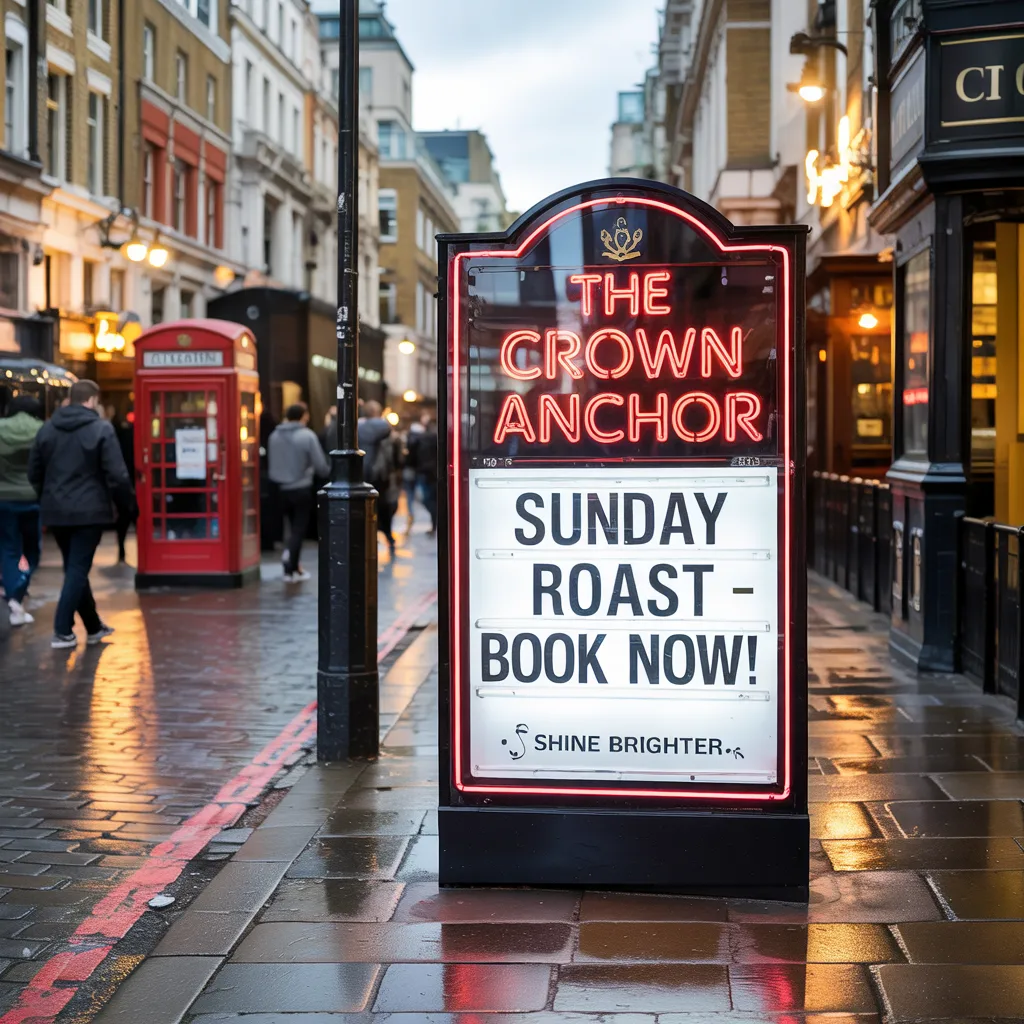
LED illuminated signs carry an ongoing electricity cost and will require periodic maintenance. Transformer components and LED modules will eventually need attention, particularly on signs exposed to the British elements.
Non-illuminated signs, once installed, have minimal running costs. The main consideration is durability. Wind, rainfall, UV exposure and seasonal temperature shifts place real demands on outdoor materials. Specifying aluminium composite panels, powder-coated steel and UV-stable vinyl from the outset significantly extends the working life of any external sign and reduces long-term maintenance spend.
Brand Identity and Aesthetics
Illuminated signage tends to feel energetic and accessible, suiting consumer-facing retail and hospitality well. Non-illuminated signage reads as more considered and authoritative, aligning naturally with premium or professional brands. The best signage accurately represents your business and serves your customers, whether that means a glowing LED fascia on a busy retail strip or clean dimensional lettering on a quiet business park.
Conclusion
There is no single correct answer. The right choice sits at the intersection of trading hours, location, brand identity, planning environment and budget. Both options deliver outstanding results when specified correctly and built to a high standard. If you want straightforward, professional advice tailored to your premises, get in touch with Magenta Signs Ltd and find the solution that genuinely works for your business.