

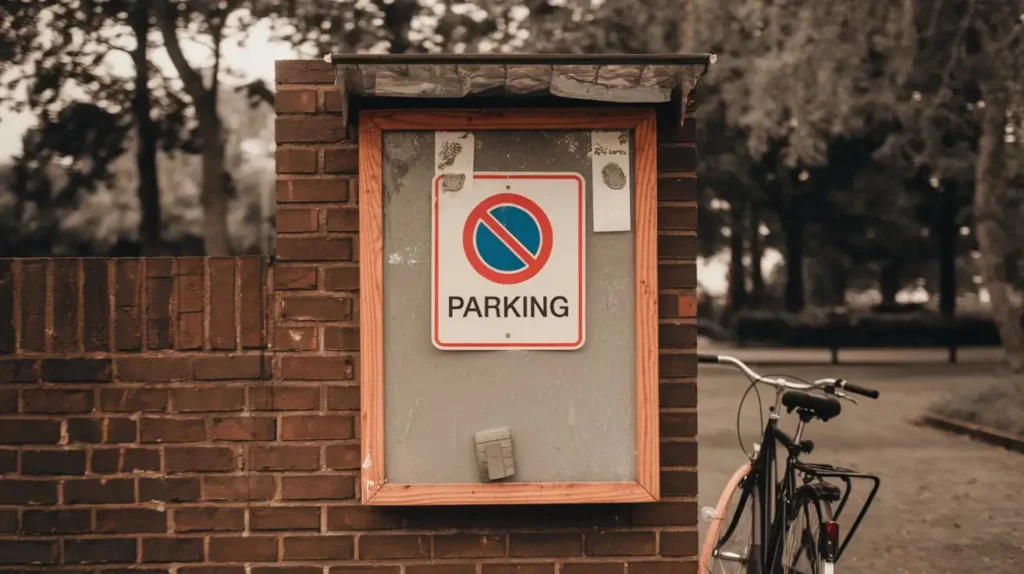
Displaying information outdoors means dealing with British weather: rain that ruins paper notices within days, sun that fades announcements, and wind that tears unprotected content. Schools lose term calendars, councils watch planning notices deteriorate, and business parks constantly replace health and safety information.
Weatherproof notice boards solve this problem, but not all perform equally well. The difference between a board failing after two years and one lasting ten lies in understanding materials, locks, mounting systems, and whether features match your needs. This guide breaks down weather-resistant outdoor signage options, including lockable notice boards.
What Makes a Notice Board Weatherproof?
Three elements determine whether a notice board truly withstands outdoor conditions: the frame material, the glazing protecting displayed content, and the seal preventing moisture ingress.
Aluminium frames resist corrosion far better than steel alternatives. When powder coating chips on steel frames, rust develops quickly. Budget boards often use galvanised steel, which performs adequately until the coating fails, typically around year three or four.
Glazing choice affects both content visibility and durability. Toughened glass provides the clearest view but adds considerable weight. The polycarbonate sheet weighs less and remains nearly as clear, though it scratches more readily over time.
Sealing quality often gets overlooked yet matters enormously. Rubber gaskets around door edges prevent rainwater seeping inside, but cheap versions perish within eighteen months. Premium boards use silicone or EPDM rubber seals that maintain flexibility for years.
Lockable outdoor notice boards combine weatherproof construction with security features. The lock mechanism prevents unauthorised removal or alteration of displayed content, essential for schools posting term dates or councils displaying statutory planning notices, where tampering could invalidate legal requirements.
Types of Outdoor Notice Boards
Different mounting options and security features suit different applications:
| Type | Best For | Weather Rating | Security Level | Typical Price Range |
| Wall-Mounted Lockable | Schools, office entrances | Excellent | High | £200-£600* |
| Post-Mounted Lockable | Parks, community spaces | Excellent | High | £400-£900* |
| Freestanding | Temporary events | Good | Low | £150-£350* |
| Illuminated | 24-hour facilities | Excellent | High | £500-£1,200* |
*Prices are estimates and may vary based on size, specifications, and supplier. Costs shown exclude installation.
While these outdoor solutions handle weather exposure, organisations also need indoor notice boards for protected internal areas like corridors and reception spaces.
Wall-Mounted External Notice Boards
External notice boards wall-mounted fix directly to building exteriors, making them ideal when you have suitable wall space. The wall surface itself plays a role too, as the same materials used in outdoor wall plaques like aluminium and stainless steel are common in notice board frames precisely because they hold up against the same outdoor conditions. Installation requires drilling into brick or concrete, using appropriate fixings that won’t fail under the board’s weight and wind loading. The permanent mounting eliminates concerns about theft or displacement common with freestanding alternatives.
These boards work best for displaying A4-sized documents up to approximately twelve sheets. Larger configurations become heavy: a 12xA4 aluminium board with toughened glass weighs around 25kg. Mounting height matters considerably for both accessibility and security. Position the board so its centre sits at roughly 1.5 metres from ground level, comfortable for viewing whilst high enough to discourage tampering. This height also ensures compliance with accessibility guidelines for public information displays.
Post-Mounted Options
Post-mounted boards stand independently, secured to concrete footings or driven posts. They suit locations where walls aren’t available: parks, car parks, footpaths, and community spaces. The board faces whichever direction you choose during installation, giving control over visibility.
Installation involves more work than wall mounting. Posts either bolt to concrete pads or drive directly into the ground. Professional installation typically costs £150-£250 (prices are estimates and may vary), ensuring proper stability and preventing future maintenance issues from improperly secured boards.
Material Selection
| Material | Lifespan | Maintenance | Weather Resistance |
| Aluminium | 15+ years | Very low | Excellent (won’t rust) |
| Wooden (Cedar/Oak) | 8-12 years | Medium (annual treatment) | Good with treatment |
| Powder-Coated Steel | 10-15 years | Low (touch up chips) | Very good if coating intact |
Aluminium dominates the market because it naturally forms a protective oxide layer preventing corrosion. This makes it particularly suitable for coastal environments or high-pollution areas. A 9xA4 aluminium board weighs approximately 15kg compared to 25kg for steel equivalents, making installation easier. Powder-coated aluminium comes in various colours, though darker shades may fade over the years in direct sunlight. For temporary outdoor messaging alongside permanent notice boards, outdoor PVC displays offer weather-resistant alternatives for events or seasonal campaigns.
External wooden notice boards suit environments where traditional aesthetics matter: village greens, country parks, heritage sites. Oak and cedar frames age with character. Wood requires annual treatment with preservatives to maintain weather resistance and prevent cracking.
Key Features Worth Considering
Basic cam locks deter opportunistic interference but offer minimal security. Barrel locks (cylinder locks) with five-pin cylinders provide better protection. Multi-point locking systems secure the door at multiple positions, preventing forced entry. For statutory notices that must remain displayed for specific periods, secure locks are essential for legal compliance.
Toughened glass offers the clearest view and resists scratching effectively. It adds 8-10kg to larger boards. Polycarbonate sheet weighs a third of equivalent glass and is virtually unbreakable. However, it scratches more readily and may develop haze after five years. Standard glazing uses 3mm material; premium boards use 4mm or 5mm sheets.
Notice boards are sized by how many A4 sheets they accommodate, ranging from 4xA4 for single-purpose displays up to 18xA4 for comprehensive community boards.
| Capacity | Dimensions (approx) | Typical Use |
| 4 x A4 | 700mm x 600mm | Small entrance areas |
| 6 x A4 | 900mm x 700mm | Office entrances |
| 9 x A4 | 1200mm x 900mm | Community centres |
| 12 x A4 | 1500mm x 1000mm | Large schools, councils |
Viewing distance determines the effective text size on your notices. A 6xA4 board works when people pass within two metres. Position it further away and the content becomes difficult to read.
Choosing the Right Board for Your Needs
External notice boards for schools handle high traffic and must resist vandalism whilst displaying multiple information types. Term dates, emergency procedures, and parent communications all compete for space. Most schools choose 9xA4 or 12xA4 boards with secure cylinder locks. Main entrance boards sit where parents naturally gather, whilst cork backing allows staff to quickly pin up notices.
Parish councils face specific requirements around statutory notices. Planning applications and consultation notices must remain displayed for set periods without tampering, making lockable boards essential. Post-mounted boards suit public spaces where no suitable wall exists. Size needs to accommodate 10-15 simultaneous notices, making 12xA4 typically the minimum practical size. When we work with councils at Magenta Signs Ltd, we often recommend this size range based on their typical display requirements.
Business parks and offices need boards communicating health and safety information whilst maintaining a professional appearance. Wall-mounted boards near entrances handle visitor information: reception hours, delivery instructions, emergency procedures. Smaller sizes (4xA4 or 6xA4) work well because you’re addressing people standing nearby rather than passing traffic.
Installation and Maintenance
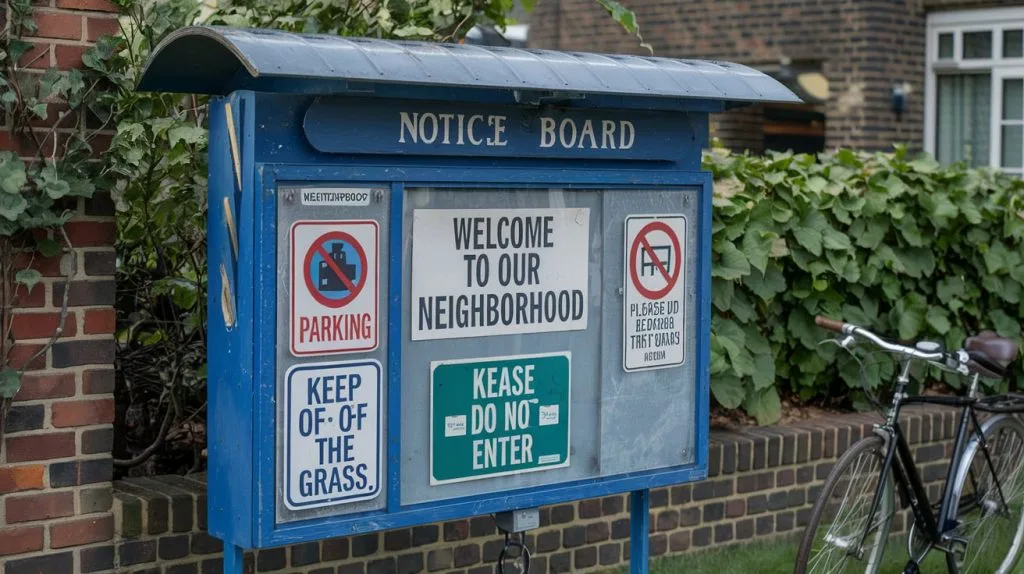
Successful wall mounting requires identifying wall construction. Solid brick or concrete takes standard anchor bolts. Cavity walls need longer fixings reaching the inner leaf. Use four mounting points minimum for boards up to 9xA4; larger boards require six or eight. Check walls for hidden services before drilling.
Post-mounted boards need stable foundations. Excavate 600mm deep, fill with concrete, and bolt a base plate on top. Ensure the post specification can handle your board size to prevent damage during storms.
Regular maintenance extends board life significantly. Every six months, check mounting fixings, inspect seals, and verify locks that operate smoothly. Clean glazing with warm soapy water and lubricate locks annually. Wooden frames need annual treatment with preservatives.
Cost Considerations
Entry-level boards (£100-£300, prices are estimates and may vary) feature powder-coated steel frames, basic cam locks, and acrylic glazing. They’re adequate for covered areas but won’t last 10+ years in exposed positions.
Mid-range boards (£300-£600, prices are estimates and may vary) provide aluminium frames, cylinder locks, and choice of glass or polycarbonate glazing. Most schools and businesses choose this range.
Premium boards (£600+, prices are estimated and may vary) use thicker materials, marine-grade components, and multi-point locking. Illuminated versions start at £500.
Installation costs add to the board price: wall mounting £80-£150, post installation £150-£300, electrical work £150-£300 (all prices are estimates and may vary).
Frequently Asked Questions
What is a weatherproof notice board?
A weatherproof notice board is designed for outdoor use, with sealed construction protecting displayed content from rain, wind, and sunlight. The frame resists corrosion, glazing prevents water ingress, and gasket seals keep moisture out. Properly weatherproof boards maintain functionality for 10+ years in British weather conditions.
Do I need a lockable outdoor notice board?
Locks become necessary when displayed information must remain in place without interference. Schools displaying safeguarding policies, councils posting statutory notices, or businesses showing health and safety information benefit from lockable boards. Consider your location too: high-traffic areas or those with vandalism history need locks. The cost difference typically ranges from £30-£50 (estimated, may vary).
What size outdoor notice board do I need?
Size depends on content volume and viewing distance. A 4xA4 board suits single-purpose displays near entrances. Schools typically need 9xA4 or 12xA4 boards. Parish councils often require 12xA4 or larger for multiple simultaneous notices. Boards positioned 5+ metres from viewers need larger text, reducing effective capacity.
How much do weatherproof notice boards cost?
Budget boards cost £100-£300 (estimated, may vary). Mid-range boards range £300-£600 (estimated, may vary). Premium boards exceed £600 (estimated, may vary). Add £150-£300 (estimated, may vary) for post installation, £150-£300 (estimated, may vary) for electrical work. Total project costs typically range from £400-£1,500 (estimated, may vary).
What’s the best material for outdoor notice boards?
Aluminium offers the best combination of durability, low maintenance, and reasonable cost. It won’t rust, weighs less than steel, and lasts 15+ years with minimal maintenance. Wooden frames suit traditional settings but need annual treatment. For most schools, councils, and businesses, aluminium represents the practical choice.
How long do outdoor notice boards last?
Quality aluminium boards last 15+ years in typical UK conditions. Wooden boards last 8-12 years with annual treatment. Budget steel boards manage 5-8 years. Components often fail before frames: seals perish (5-10 years), locks wear out (7-12 years). With component replacement, mid-range boards serve well for 12-15 years.
Making the Right Choice
Weatherproof notice boards work quietly in the background, displaying information year after year without constant attention. The difference between a board that serves you well and one requiring frequent maintenance comes down to matching specifications to actual needs.
Choose materials suited to your environment and maintenance capacity. Specify locks providing appropriate security without unnecessary complexity. Select size based on real display requirements and viewing distances. Installation quality affects long-term performance as much as board quality: proper fixings, sensible mounting heights, and correctly compressed weather seals prevent years of problems.
At Magenta Signs Ltd, we provide comprehensive signage solutions, including outdoor notice boards that work for your specific situations. The conversation starts with understanding what you need to display, where the board will go, and how you’ll use it. From there, we match those requirements to appropriate solutions that deliver reliable performance for years to come.
Get the specification right from the start, and your notice board becomes the reliable communication tool it should be, working effectively without demanding constant attention.