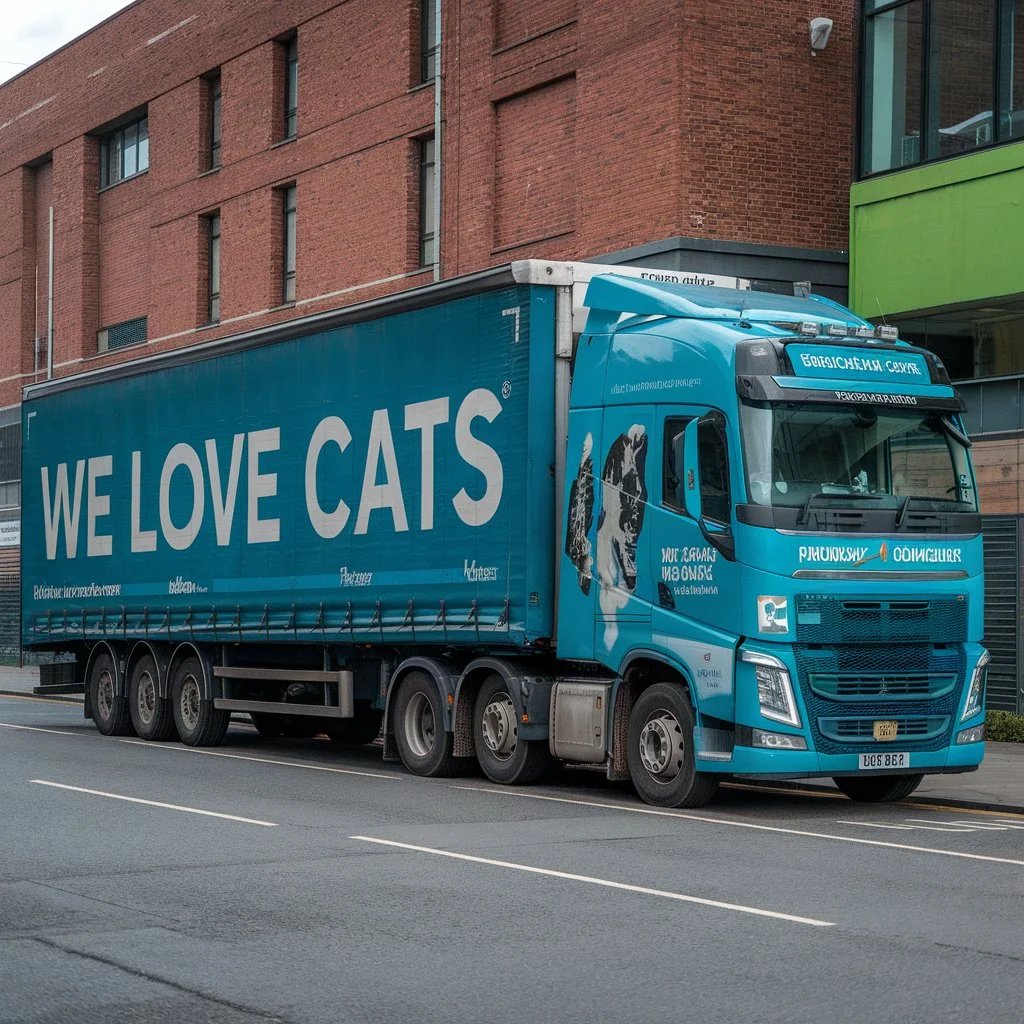
A branded lorry does more than transport goods from A to B. It acts as mobile advertising that works continuously. Whether you operate a full fleet or a single van, the right lorry wrap keeps your business visible to potential customers every day, without the recurring costs associated with billboards or online advertising.
This guide outlines the typical costs, where your budget is allocated, and how to secure a durable, high-quality wrap without overspending.
What You’ll Actually Pay for a Lorry Wrap
Let’s get straight to the numbers. Wrap costs swing quite a bit depending on your vehicle size and how much coverage you want:
| Vehicle Type | Partial Wrap | Full Wrap |
| Small vans & car-derived vans | Entry-level pricing | Moderate outlay |
| Medium commercials (3.5–7.5 tonne) | Affordable option | Mid-range spend |
| Large rigid lorries (7.5–18 tonne) | Decent investment | Significant budget needed |
| Articulated lorries & HGVs | Higher spend | Premium territory |
These prices include design, materials, and professional installation. Location also affects cost. A wrap in central London will typically cost more than the same specification in Nottingham or Newcastle. Premium finishes, such as chrome effects or expedited turnaround times, will increase the overall price.
Partial or Full Wrap? Depends on What You’re After
You’ve basically got two routes here, and the price gap between them is worth thinking about.
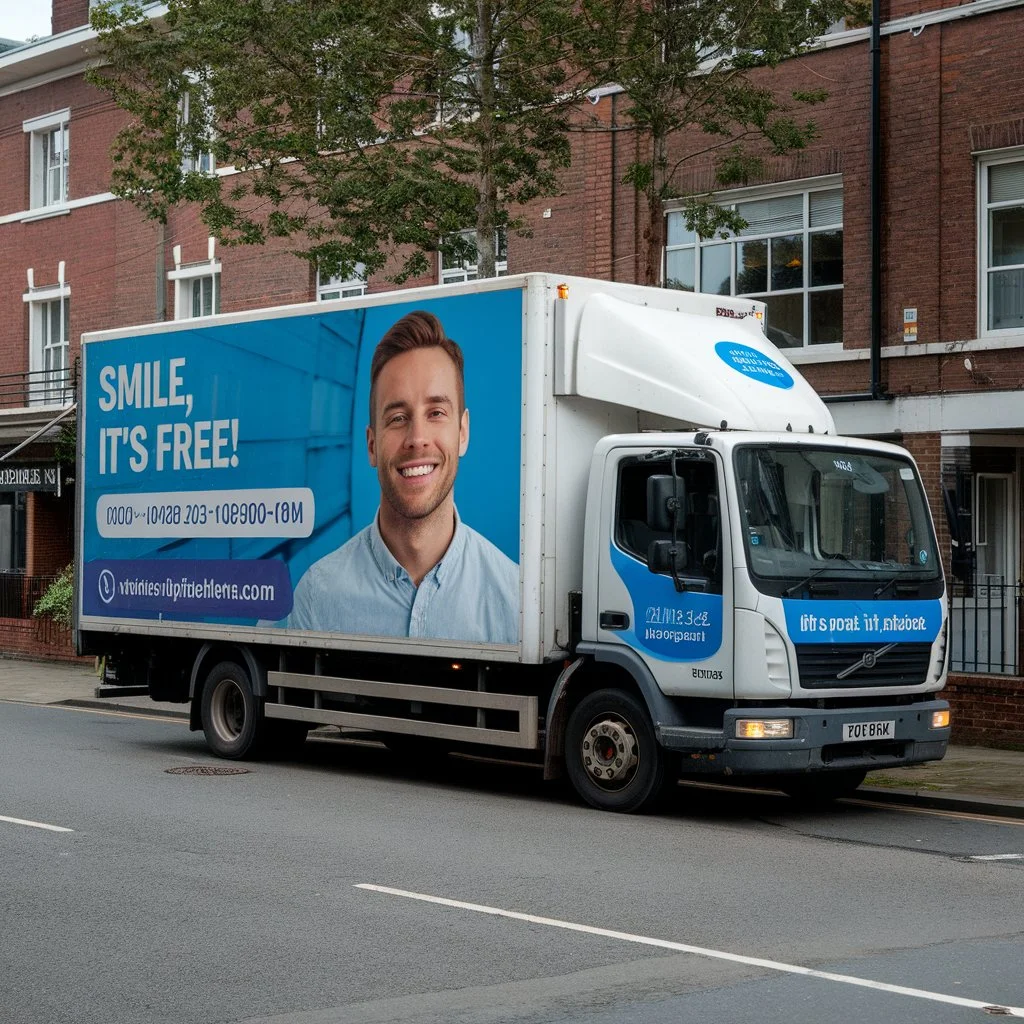
Partial wraps make use of the vehicle’s existing colour, applying branding to the most visible areas such as the doors, side panels, and rear. This approach works well if the current paint aligns with your brand identity, or if you want a strong visual impact without the cost of a full wrap.
Full wraps transform the entire vehicle. Every panel gets covered, which means your branding is visible from any angle. You’ve got complete creative freedom, but you’re paying for significantly more material and labour. The installer needs to work around every curve, handle, and awkward bit, which takes time.
If you operate a courier service with vehicles on the road throughout the day, a full wrap can justify the additional investment, providing visibility from every angle. However, for a local tradesperson with an established presence, a well-designed partial wrap can deliver a strong impact at a significantly lower cost.
What Actually Makes the Price Go Up or Down?
Understanding where your money goes helps you make smarter decisions about what matters most.
The Vehicle Itself
A flat-sided box lorry is straightforward to wrap, with smooth panels and minimal obstructions. In contrast, curtain-siders with straps and framework present additional complexity, increasing installation time and labour costs. It is not only the size of the vehicle that affects pricing, but also how intricate the surfaces are to wrap correctly.
What the Wrap’s Made From
You’ve got choices with vinyl, and they’re not all equal:
- Calendared vinyl sits at the budget end. It does the job, and you’ll get three to five years out of it before it starts fading or peeling. Makes sense if you’re not planning to keep the same branding long-term or if the budget’s tight.
- Cast vinyl: Costs more upfront but bends around curves better and keeps looking sharp for 5–7 years. Better long-term value if you want it to last.
- Premium finishes such as metallic effects, carbon fibre textures, or colour-changing materials will increase the overall cost, in some cases significantly.
How Complex Your Design Is
A simple logo and contact details in two colours? Quick to print, quick to fit. But if you want photographic images, intricate patterns, or designs that need to line up perfectly across panel gaps, you’re looking at more design time, test prints, and careful installation. That’s all the costs.
What State Is Your Lorry In
Most quotes assume you’re bringing them a clean vehicle with decent paintwork. If there’s old vinyl that needs stripping off, dents that need sorting, or the surface needs serious cleaning, that’s extra work. Old graphics that have been baked in the sun for years can be a right faff to remove.
The Costs Nobody Mentions Until Later
Here’s where budgets often get caught out:
| What Catches People Out | Why It Costs Extra |
| Going back and forth on designs | First couple of revisions are usually included, but endless tweaks get charged hourly |
| Removing what’s already there | Older vinyl can be difficult and time-consuming to remove. |
| Paint repairs underneath | Sometimes removing old graphics shows up damage you didn’t know was there |
| Proper cleaning products | You need specific stuff for wrapped vehicles, not just any old car shampoo |
| Rush jobs | Need it done quickly? You’ll pay for jumping the queue |
None of these will bankrupt you, but together they can easily add 10–20% to what you thought you’d spend.
Budget Planning and Cost Management Considerations
Start by being honest about what you’re trying to achieve. New business trying to get known? Is the existing brand just keeping visible? One-off campaign?
If You’re Building Brand Recognition:
Put most of your money into coverage and decent materials rather than going mad on elaborate design. A full wrap in your brand colours with clear contact details does the heavy lifting. You want something that’ll last and stay looking professional.
For Short-Term Campaigns:
A well-designed partial wrap on the most visible panels makes sense. Doors, rear doors, and side panels are what people actually see. You can put more effort into eye-catching design since you’re working with less space overall.
Here’s something worth remembering: a quality wrap lasting six years often works out cheaper per month than what you’d spend on Facebook ads, and it’s working for you every time the lorry’s on the road.
Design Decisions That Affect What You Pay
Working with a designer who specialises in vehicle wraps, rather than general graphic design, can prevent costly mistakes later. They understand the practical considerations, such as:
- Where seams need to go so designs wrap around curves properly
- That text smaller than about 100mm just becomes a blur from a normal viewing distance
- Which colours fade faster in British weather
- How to design around panel gaps so slight misalignment doesn’t ruin the look
Getting this right the first time means you’re not paying for reprints because something looked great on screen but doesn’t work on an actual lorry.
Magenta Signs works with you on the design rather than just taking a brief and disappearing. We’ve wrapped enough vehicles to know what works in practice, not just in theory, and we make sure everything meets UK legal requirements before anything gets printed.
How Long Does Installation Actually Takes
This varies quite a bit depending on what you’re having done:
| Vehicle Type | Installation Time | What Makes It Complicated |
| Small vans | 1–2 days | Fairly straightforward, minimal awkward bits |
| Medium commercials | 2–3 days | More area to cover, some tricky spots |
| Large rigid lorries | 3–4 days | Lots of surface area, various panel types |
| Articulated HGVs | 4–5 days | Maximum coverage, getting trailer alignment right |
Professional installers take the time to complete essential steps properly, including surface preparation, correct stretching around curves, and controlled heat application. Rushing these stages can lead to lifting edges, trapped air, or premature peeling, resulting in additional repair or replacement costs.
Legal Stuff You Can’t Ignore
Vehicle wrap regulations in the UK are legal requirements, not optional guidelines. Non-compliance can result in fines, MOT failures, or being required to remove and replace the wrap entirely.
What Has to Stay Visible:
- Number plates can’t be covered or obscured at all
- Indicator lights need to work properly and be clearly visible
- Any legally required safety markings (hazard plates, weight restrictions) stay readable
- Window tinting has to comply with legal limits
- Your graphics can’t look like emergency service markings
Magenta Signs keeps on top of requirements, so your design gets checked against current regulations before we print anything. Much cheaper than finding out it’s not compliant after it’s been fitted.
Looking After It Once It’s On
How long your wrap lasts has a lot to do with how you treat it.
Keep It Clean:
Road grime, bird droppings, and tree sap can damage vinyl if left untreated. Clean the vehicle regularly using pH-neutral products, and avoid harsh chemicals that may degrade the protective layer.
Avoid Automatic Washes:
Those stiff rotating brushes can lift edges and cause damage. Hand washing or touchless systems are much kinder to wrapped vehicles.
Park Under Cover When You Can:
UV damage is what fades colours over time. If you can park in a garage or under a carport, it’ll last longer. If not, picking UV-resistant vinyl in the first place makes sense.
Fix Small Problems Quickly:
A lifted corner or small scratch is cheap to repair now. Leave it, and water gets underneath, which can mean replacing whole panels later.
Why Using Specialists Actually Matters
Vehicle wrapping looks easier than it is. Until you’re trying to get vinyl to conform to a compound curve without creasing, or lining up graphics across a panel gap while the adhesive’s going off, you don’t realise how much skill’s involved.
Magenta Signs provides a full range of signage services, with particular expertise in vehicle wraps. We know how different vinyl types behave in different temperatures, which adhesives work on which surfaces, and how to make wraps last in British weather. Every step from design through to final fitting gets proper attention rather than being rushed because it’s not what we usually do.
We’re also straight with you about costs, timescales, and what’ll actually work on your particular vehicle—no point designing something that looks great on paper if it won’t survive real-world use.
Questions People Actually Ask
What’s the absolute minimum I’d need to spend?
The most cost-effective option is typically a basic partial wrap on a small van. However, it is advisable to budget at least 15% above any initial quote to account for unforeseen costs, as additional requirements often arise.
Does wrapping affect what the vehicle’s worth when I sell it?
Actually works in your favour if it’s done properly. The wrap protects the original paint from stone chips and sun damage. Take it off professionally, and the paintwork underneath is often in better nick than an unwrapped vehicle the same age.
How do I know if the paint’s good enough to wrap?
Factory paint in decent condition is fine. Resprayed vehicles, paint that’s gone chalky, or anything with rust needs looking at first. Most professional installers will check it over before committing to wrap it.
Can I change my mind and take it off later?
Absolutely. Professional removal with proper heat tools gets it all off without wrecking the paint underneath. Takes a day or two for a larger vehicle, then you can rewrap it with updated branding if you want.
Does it matter what time of year I get it done?
Spring or autumn are ideal, as moderate temperatures help the vinyl adhere properly. Extremely cold conditions can make it brittle and difficult to handle, while excessive heat may cause it to set too quickly during installation.
What about electric lorries?
It makes no difference. Electric vehicles are wrapped in the same way as diesel models, using the same materials, processes, and installation standards.
Getting It Done
A lorry wrap is one of the most cost-effective ways to get your business noticed consistently. Whether you go for strategic partial coverage or full transformation, it comes down to matching what you can spend with how much visibility you need.
If you want to know what it’ll actually cost for your specific vehicles, Magenta Signs can give you a proper quote rather than vague estimates. We’ll look at what you’ve got, talk through what you’re trying to achieve, and give you realistic numbers that include everything. Get in touch and let’s have a conversation about it.