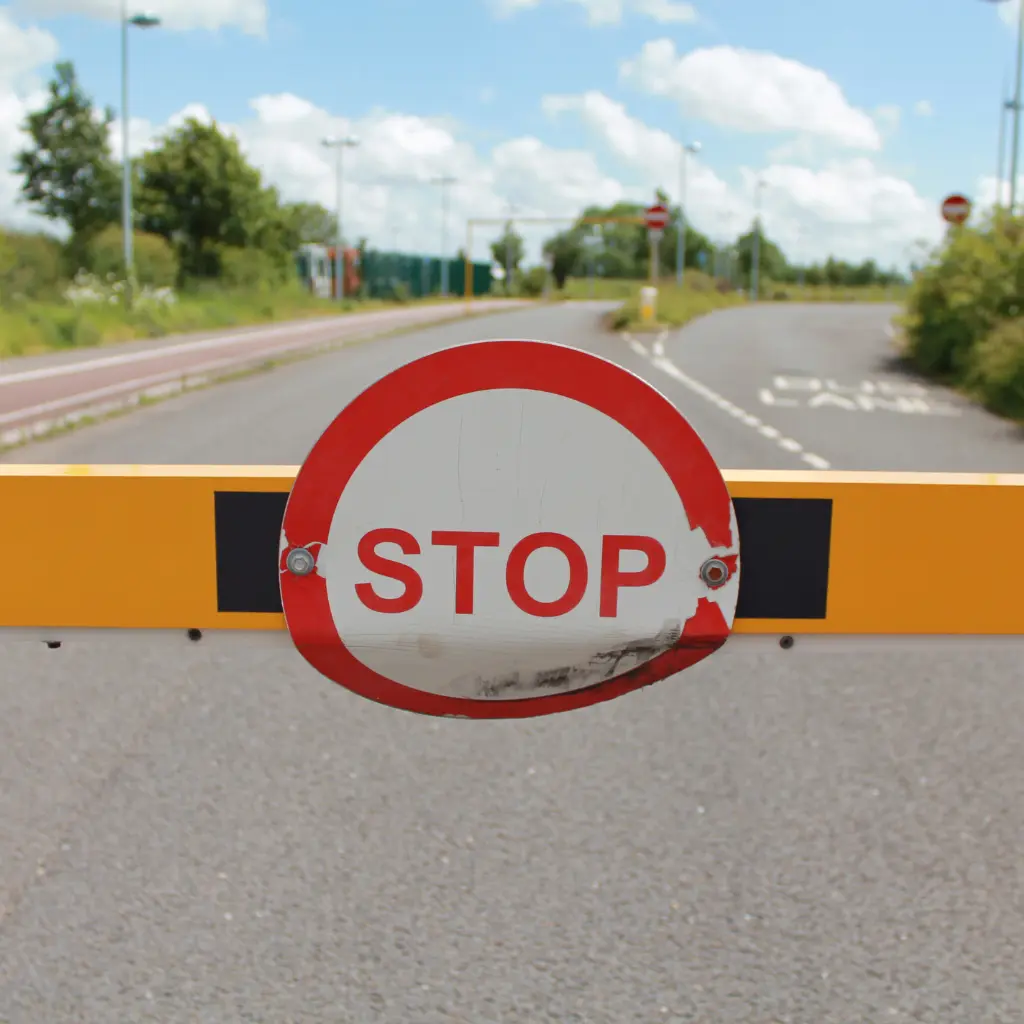
Outdoor signage is any visual display you place outside your building to inform people where you are, what you do, or guide them in the right direction. Think of everything from a fascia sign above a corner shop to monument signs at business park entrances. It needs to handle British weather, rain, wind, frost, UV exposure, whilst staying visible and meeting planning rules.
When you get it right, a sign does far more than tell people your business name. It becomes a landmark people recognise when nearby. It reinforces who you are every time someone passes, working day and night without ongoing costs.
Why Outdoor Signage Actually Matters
Here’s the thing about outdoor signage, it’s one of the few marketing tools that keeps going once it’s up. You’re not paying for clicks or boosting posts. A sign sits there doing its job every hour.
The obvious job is identification. People need to know where you are. But someone might walk past twice daily for months. When they finally need what you’re selling? You’re the first business that comes to mind.
Wayfinding signage serves a different purpose. If you’ve got a complex site, such as a hospital, university, or retail park, good directional signs stop people getting lost. There’s also credibility. Professional signage suggests you’re established and care about presentation.
Types of Outdoor Signage
| Sign Type | Best For | Key Characteristics |
| Fascia Signs | High street shops, restaurants, offices | Mounted above or on building front; maximise eye-level visibility; often illuminated |
| Monument Signs | Corporate offices, business parks, hotels | Freestanding at ground level; substantial presence; signal permanence |
| Post & Panel Signs | Industrial estates, retail parks, car parks | Simple flat boards on posts; cost-effective; easy to install |
| Wayfinding Signs | Hospitals, universities, large sites | Directional only; help navigation; reduce visitor frustration |
| A-Boards | Cafés, shops with daily offers | Portable; easy to update; requires daily setup |
| Projecting Signs | Busy high streets, historic areas | Extend at right angles; visible to pedestrians; planning restrictions apply |
| Digital LED | Petrol stations, cinemas, venues | Changeable content; higher upfront cost; suits frequent updates |
| Window Graphics | Retail, offices | Uses glass surfaces; maintains light; relatively inexpensive |

Materials That Actually Last
The material you pick determines how long your sign survives and how much hassle you’ll have maintaining it. Each option suits different situations, budgets, and aesthetic goals.
| Material | Durability | Best Use | Considerations |
| Aluminium | Excellent | Most built-up letters and panels | Rust-resistant, lightweight, handles moisture well |
| Acrylic | Very Good | Illuminated signs | Even light diffusion, can become brittle in extreme temperatures |
| Stainless Steel | Excellent | Premium/corporate installations | Signals quality, requires maintenance to prevent spotting |
| Timber | Moderate | Traditional/rustic businesses | Requires regular treatment, unique character |
| PVC/Foam Board | Fair | Temporary or protected locations | Budget-friendly, not for long-term heavy weather exposure |
Location matters when choosing materials. Near the coast, you need something that won’t corrode from salt air, and aluminium and acrylic handle it well. Untreated steel or unsealed timber deteriorate fast. The same goes for signs in full sun versus shade, as UV exposure affects materials differently.
What You Need to Think About Before Installation
Planning permission trips up more people than you’d think. Most outdoor signs need approval from your local planning authority, especially illuminated ones, anything projecting from your building, or signs above a certain size. Listed buildings and conservation areas have tighter rules. Check before committing, as retrospective permission or removal orders get expensive fast.
Where you put it matters more than size. You can have the largest sign in town, but if it’s positioned where nobody looks, what’s the point? Think about how people get to you, whether walking, driving, or both. What direction are they coming from? Trees, streetlights, and parked vans all get in the way. A sign visible in February might disappear behind leaves in July.
Lighting is where you weigh up impact against cost. External spotlights are cheaper upfront but less impressive than internal illumination. Halo-lit letters give you that premium feel, LED faces deliver bright coverage. Lighting affects planning requirements and electricity costs. Not every business needs it, but if you’re open evenings or want 24/7 visibility, it’s usually worth it.
Think about maintenance before installing. Most people don’t. Then six months later, a bulb needs changing, and suddenly you’re getting quotes for scaffolding or cherry pickers. If your sign’s 4 metres up, factor that in from the start. Modular components and accessible fixings cost more initially but save a fortune when something needs sorting.
The budget needs to align with the lifespan. That cheap quote might look tempting, but if the sign falls apart after a couple of years, you’ve spent more than buying quality the first time. Look beyond the sign price, as installation costs stay the same regardless, then add planning fees and ongoing maintenance.
Outdoor vs Exterior Signage
These terms mean the same thing for practical purposes. “Outdoor signage” usually covers anything exposed to elements, including freestanding structures. “Exterior signage” tends to mean signs attached to buildings. What matters is ensuring your sign’s rated for external use and properly weatherproofed.
Keeping Your Sign Working Properly
Outdoor signage needs occasional attention:
- Clean it regularly. Urban spots and roadside locations pick up grime faster. Warm water and mild detergent do the job for most materials.
- Check the fixings periodically, especially after storms. Look for rust, anything loose, or obvious damage. Catching these early saves means bigger headaches later.
- Check the lighting if your signs are illuminated. Don’t wait for the whole thing to look patchy. Swap out individual LEDs or bulbs as soon as you notice them going out.
- Keep nearby vegetation neatly trimmed. Overhanging branches block your sign and damage it when rubbing against it in the wind.
- Get professionals for complex or high installations. They’ve got proper equipment and spot problems you’d miss from ground level.
Frequently Asked Questions
Can I install outdoor signage myself?
Ground-level stuff like A-boards? Absolutely. But wall-mounted or elevated signs need professionals. They’ll make sure it’s structurally safe, properly weatherproofed, and meets building regulations. Anything with lighting needs a qualified electrician.
What colours work best for visibility?
High contrast combinations are your best bet. Think dark text on a light background or the other way round. Yellow and black are hard to beat for grabbing attention in any weather.
How does the weather affect different materials?
Wind’s tough on lightweight materials. Rain tests seal integrity on illuminated signs. Frost cracks certain plastics. Coastal salt air corrodes untreated metals. UV exposure fades colours, with reds and blues suffering most.
Are there restrictions on illuminated signs near homes?
Yes, quite strict ones. Most councils limit illuminated signage near residential areas due to light pollution. They might restrict operating hours or brightness levels. Check local planning guidelines before committing, as enforcement can mean expensive modifications or removal
What’s the difference between vinyl graphics and painted signs?
Vinyl graphics are adhesive films that are easy to change, but can peel in harsh weather. Painted signs are permanent and weather-resistant, but can’t be easily updated. Vinyl suits changing offers; paint suits permanent branding.
Do digital signs need the internet?
Not always. Basic digital signs store content locally. Cloud-connected versions let you update remotely, which is handy if you’re managing multiple sites. You’ll pay more for the internet connectivity, but if you’re changing messages frequently, the convenience is worth it.
How do I prevent graffiti?
Anti-graffiti coatings make cleaning easier without damaging your sign. Position signs above easy reach. Well-lit areas deter vandals. Security cameras work as both a deterrent and evidence if someone targets your sign.
Conclusion
Outdoor signage is genuinely one of the smartest things you can invest in for your business. As a core part of your outdoor advertising strategy, it works around the clock once it’s up, without ongoing costs draining your budget. The trick is getting the right type and material for your location and budget. Decent installation and regular maintenance mean your sign keeps pulling its weight, delivering better visibility, helping people recognise your brand, and bringing in more customers. Whether you go for a simple fascia sign or a premium monument installation, proper planning prevents expensive mistakes. Do not forget planning permission and maintenance access. Invest in signage that represents your business properly, and it will earn its keep through increased footfall. Do it right once, and your outdoor sign becomes that employee who never calls in sick.