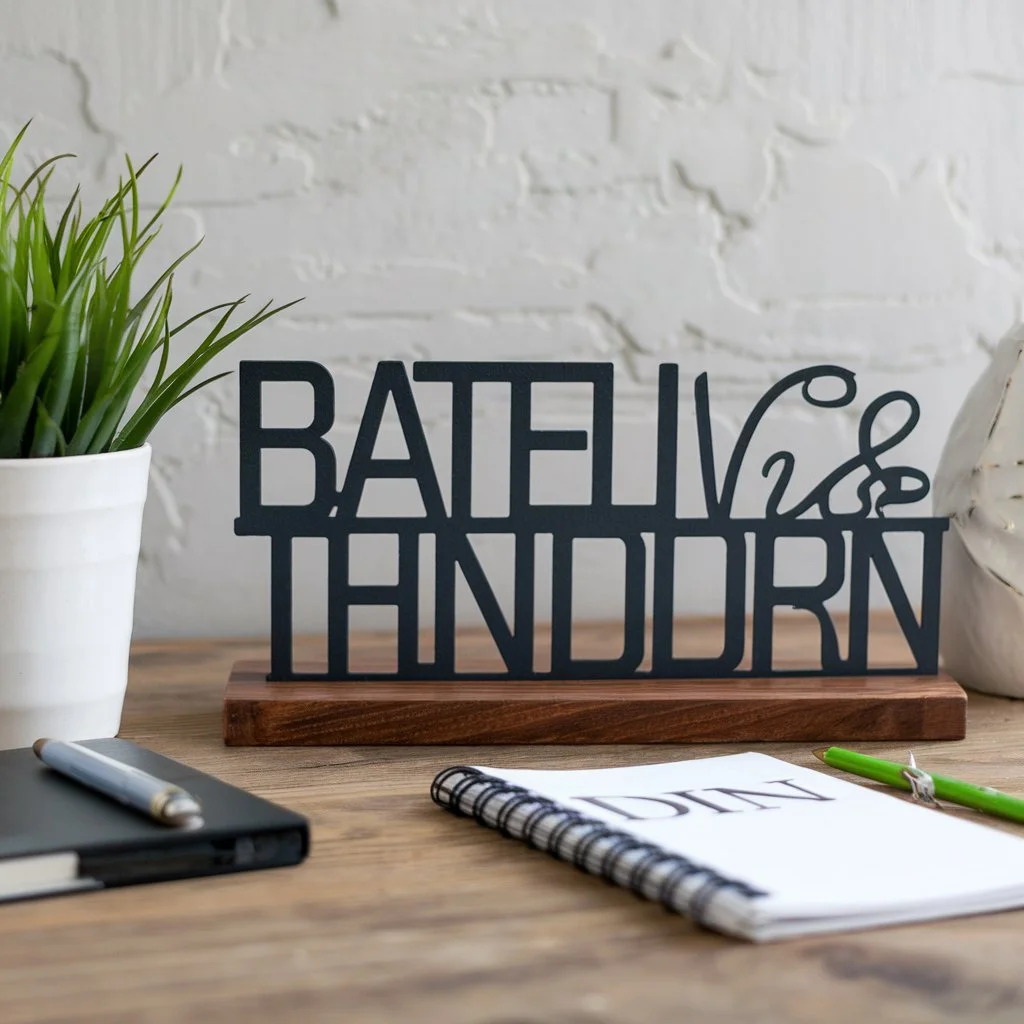
Custom office desk plaques and name plates serve identification needs whilst reinforcing organisational branding in UK workspaces. Professional plaques for office use clearly display names and titles, making strong first impressions on visitors and clients. Crafted from materials like acrylic, metal, and wood, they reflect corporate identity whilst improving navigation through office environments. This guide explores the types available, material options, customisation possibilities, and practical selection guidance to help you choose desk plaques that align with your brand and budget.
Key Takeaways
- Material choice (acrylic, metal, wood) affects durability, appearance, and cost
- Engraved options offer permanence whilst printed plates allow easier updates
- Sizes typically range from 50mm x 200mm for individual desks to 75mm x 300mm for directors
- Understanding mounting methods helps match solutions to hot-desking versus fixed workstations
- Customisation extends beyond names to include logos, colours, and brand elements
What Makes a Custom Desk Name Plate Essential for the Office?
A custom desk name plate combines practicality with visual appeal, making it a popular choice for office environments. The functional benefit is immediate. Visitors navigating an open-plan office can identify who sits where without interrupting work. In hot-desking environments, name plates on meeting room doors or designated workstations clarify booking systems.
For client-facing businesses, well-crafted desk plaques signal competence and attention to detail before conversations even begin. Employees with personalised desk plates report feeling more established and valued within organisational structures, contributing to workplace satisfaction.
Types of Desk Name Plates and Plaques
Desk plaques fall into several categories based on construction method and mounting style. Understanding these distinctions helps you select appropriate options for different office applications.
Engraved vs Printed Name Plates
Engraved plates use laser or rotary engraving to cut text and logos directly into the material surface. This creates permanent, tactile lettering that won’t fade or peel. The depth of engraving catches light, creating visual interest whilst ensuring longevity. Engraved plates suit permanent installations where staff turnover is low.
Printed plates use UV-resistant inks applied to the surface. Modern digital printing produces sharp, full-colour graphics including photographs and complex logos. Printed options work well when you need frequent updates or full-colour brand elements that engraving can’t reproduce.
Flat vs Raised Lettering
Flat lettering sits flush with the plate surface. This style creates clean, modern aesthetics that complement contemporary office design. It’s easier to clean and less likely to catch on papers or clothing.
Raised lettering projects from the surface, created through engraving into contrasting layers or adding dimensional elements. This tactile quality works particularly well for director nameplates where physical presence matters.
Free-Standing vs Wall-Mounted
Free-standing desk plaques rest directly on desk surfaces, typically using weighted bases or angled holders. They’re visible from the front but can be moved or removed easily. This flexibility suits hot-desking environments or offices where desk arrangements change frequently.
Wall-mounted plates fix to desk fronts, cubicle walls, or office doors using adhesive backing, screws, or specialised mounting systems. Once installed, they’re more permanent but create cleaner desk surfaces.
Material Comparison: Acrylic, Metal, and Wood Options
Material selection significantly impacts appearance, durability, and cost. Each option suits different office environments and branding requirements.
| Material | Appearance | Durability | Typical Cost (GBP) | Best For | Maintenance |
| Acrylic | Modern, sleek | 5-10 years | £8-£20 | Contemporary offices | Wipe clean, scratch-prone |
| Brushed Aluminium | Reflective, crisp | 10-15 years | £15-£35 | Tech companies | Fingerprint-resistant |
| Brass | Traditional, warm | 15-20+ years | £25-£50 | Law firms | Develops patina, can polish |
| Wood with metal plate | Classic, warm | 10-15 years | £20-£40 | Creative industries | Occasional wood treatment |
| Stainless Steel | Industrial, premium | 15-20+ years | £20-£45 | Medical, corporate | Polish periodically |
Please note these are estimated costs in pounds sterling and may vary significantly based on size, finish quality, engraving complexity, quantity, and supplier.
Acrylic Desk Name Signs
Acrylic offers modern aesthetics at accessible price points. The material accepts both engraving and printing well, with clear acrylic creating floating letter effects when combined with vinyl graphics. Coloured acrylic comes in dozens of shades, allowing precise brand colour matching.
The lightweight nature makes acrylic suitable for adhesive mounting without structural concerns. However, the material scratches more easily than metal. Opt for thicker acrylic (at least 3mm) for better appearance and durability.
Metal Name Plates
Brushed aluminium and stainless steel create premium presentations that justify their higher costs through longevity. The weight and solidity communicate quality immediately. Metal accepts laser engraving beautifully, with the contrast between brushed and engraved surfaces creating elegant results.
Brass offers traditional warmth that suits heritage brands and established firms. The material develops character over time as it patinas, though periodic polishing can maintain the original appearance if preferred. Stainless steel provides contemporary minimalism that works particularly well in medical or high-tech environments.
Wood Composite Options
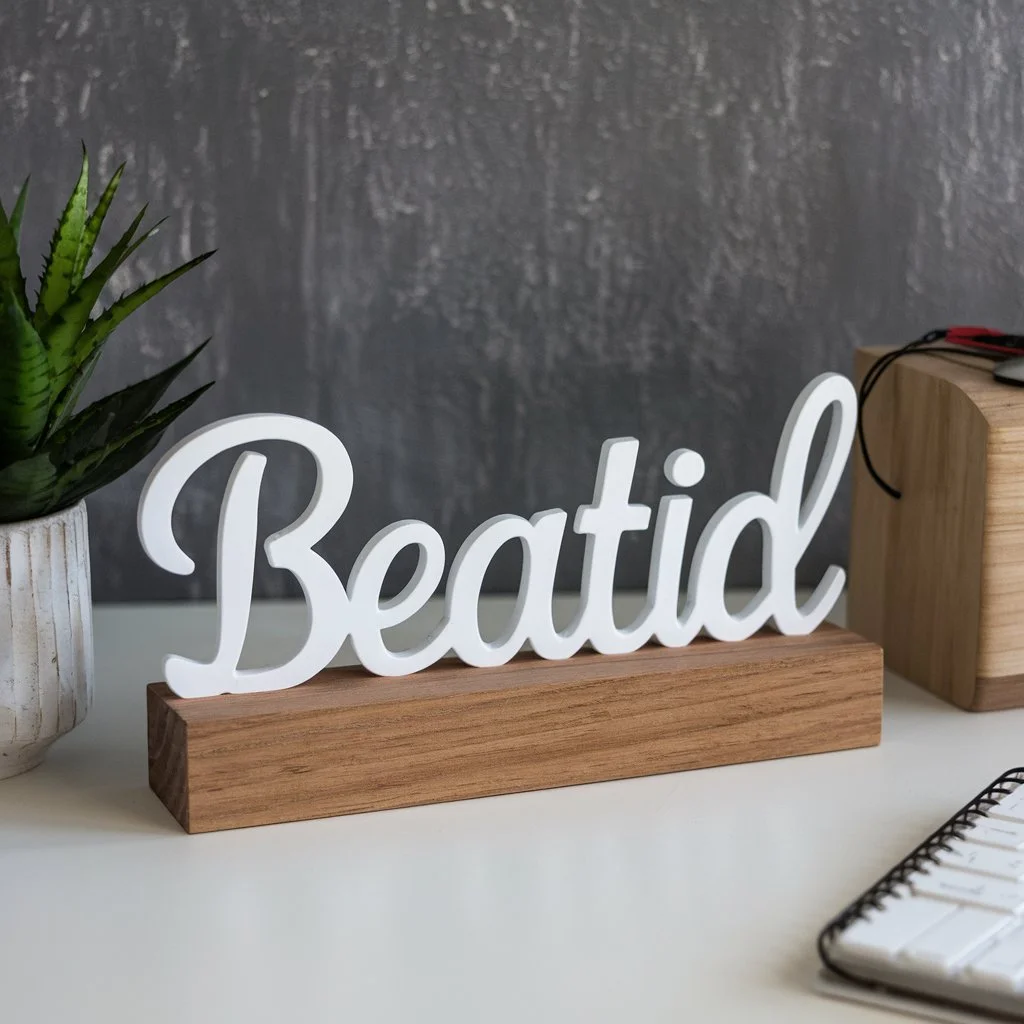
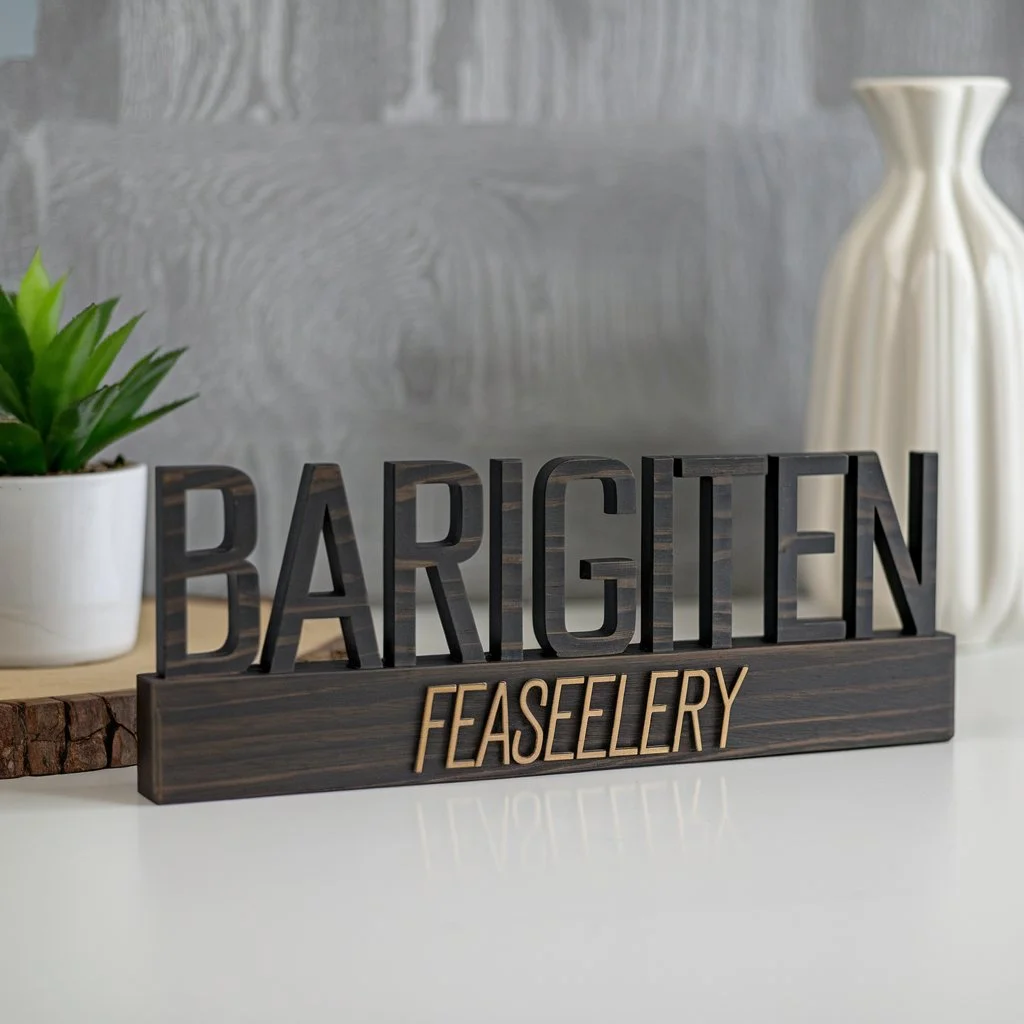
Wood desk plaques typically combine solid wood bases or frames with metal or acrylic name plates. This hybrid approach balances warmth with practicality, as wood alone doesn’t accept engraving as crisply as metal. The material works well in creative industries, boutique offices, or anywhere corporate aesthetics feel too sterile. Mahogany, walnut, and oak remain popular choices.
How to Choose the Right Desk Plaque for Your Office
Selection should balance practical requirements with brand presentation and budget realities. Consider these factors in order of importance.
By Position and Visibility
Director and senior management positions warrant premium materials like brass or quality wood composites. These roles involve client meetings where desk accessories contribute to perceived authority. Budget £25-£50 per plate for these positions.
Mid-level staff benefit from quality metal or substantial acrylic plates that create consistency without excessive cost. Budget £12-£25 per plate for these roles.
Administrative and support staff function well with standard acrylic or printed plates that provide identification economically. Budget £8-£15 per plate. These are estimated costs in pounds sterling and actual prices vary based on specifications and order quantities.
By Office Environment
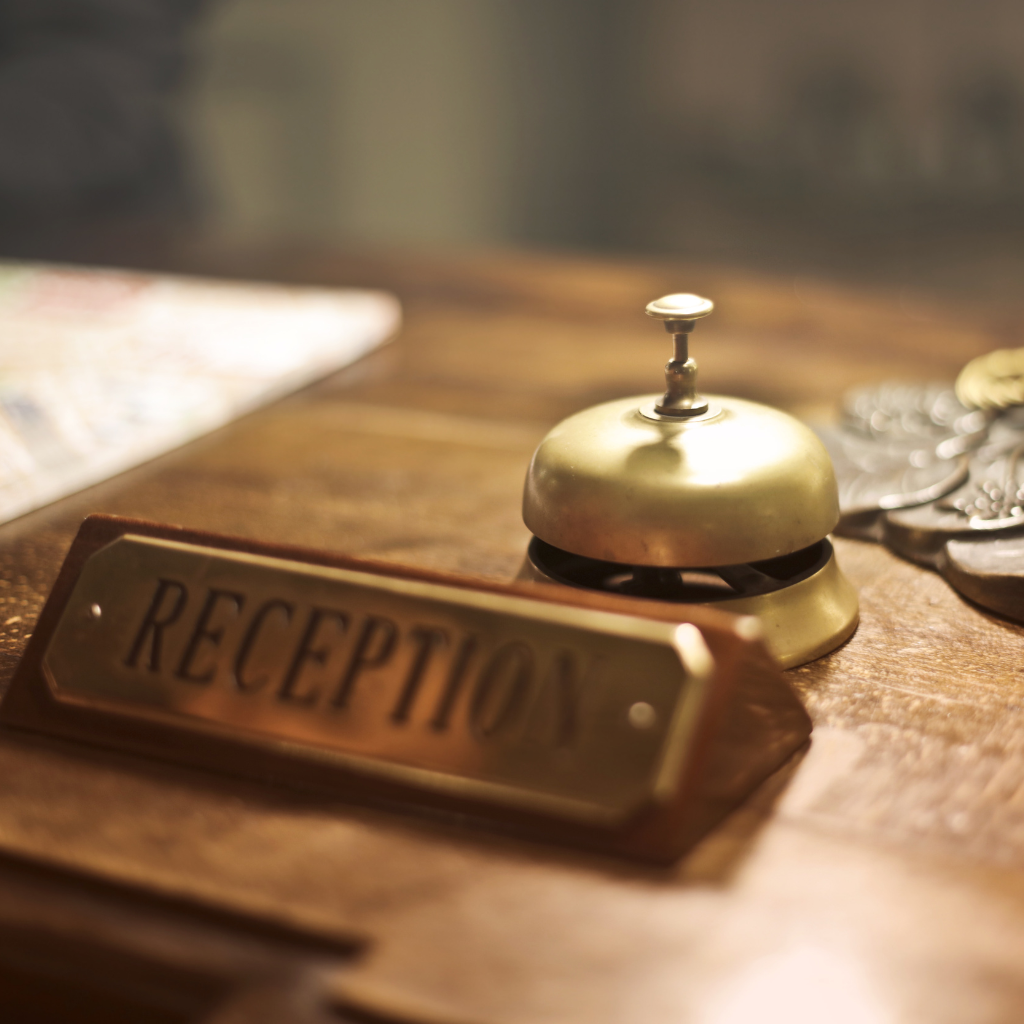
Reception desks require larger, highly visible plaques (typically 75mm x 300mm) in premium materials that align with company branding. This is often visitors’ first physical interaction with your brand, making material quality and finish particularly important. Desk plaques form part of comprehensive indoor signage strategies that guide visitors and reinforce brand identity throughout office environments.
Individual office desks suit standard sizes (50mm x 200mm to 60mm x 250mm) in materials matching overall office aesthetics. Consistency matters more than premium materials here. At Magenta Signs, we help clients establish visual consistency across their workspace through coordinated material and finish selection.
Hot-desking environments need either removable free-standing options or door-mounted plates for meeting rooms and designated spaces. Avoid permanent desk-mounted solutions where seating arrangements change regularly.
By Budget and Replacement Frequency
Calculate total cost of ownership, not just initial purchase price. A £40 brass plate lasting 15 years costs less annually than a £10 acrylic plate replaced every 3 years due to scratching or staff changes.
For organisations with high turnover or frequent restructuring, printed acrylic offers the best balance. The lower replacement cost justifies more frequent updates without significant capital outlay.
Customisation Options for Professional Desk Name Plates
Personalisation extends beyond simply adding a name. Strategic customisation reinforces brand identity whilst accommodating individual preferences.
Text Information
Most desk plaques include name and job title as minimum information. Consider whether department names, qualifications, or contact extensions add value or create clutter. For broader team communications and updates, notice board displays offer flexible alternatives that complement fixed desk identification. Senior positions sometimes omit titles, as the quality of materials and prominent positioning signal seniority implicitly.
Font selection should prioritise readability over decorative appeal. Sans-serif fonts (Arial, Helvetica, Calibri) work best for modern offices. Traditional firms might use serif fonts (Times New Roman, Garamond) for classical appearance. Ensure text height is at least 8mm for comfortable reading from 1.5 metres away.
Logo and Brand Elements
Incorporating company logos creates visual consistency across the office. Ensure logos are sized appropriately, as overly large logos overwhelm names and reduce readability. Position logos either top-left corner or centred above text.
Brand colours can be integrated through material choice (coloured acrylic), printed backgrounds, or coloured fills in engraved lettering. Maintain sufficient contrast between text and background for readability in various lighting conditions.
Size and Mounting Options
Standard desk plate dimensions range from 50mm x 200mm for basic identification to 100mm x 300mm for senior applications. Oversized plates look out of proportion on standard desks, whilst very small plates become difficult to read from standing positions.
Mounting methods include adhesive strips (removable but less permanent), magnetic backing (requires metal desk fronts), screw fixings (most secure but requires drilling), or free-standing angled holders (maximum flexibility). At Magenta Signs, we advise on mounting solutions based on desk construction and permanence requirements.
Frequently Asked Questions About Office Desk Plaques
What’s the difference between a desk plaque and a name plate?
The terms are used interchangeably, though “plaque” sometimes refers to larger, more substantial pieces whilst “name plate” suggests smaller, simpler designs. Functionally, both serve identical purposes. In the UK market, “desk name plate” is more commonly used for individual desk identification.
What size desk name plate should I choose?
For individual desks, 60mm x 250mm represents the sweet spot between visibility and proportionality. Smaller 50mm x 200mm plates suit compact workstations, whilst larger 75mm x 300mm options work for senior positions. Consider viewing distance. Reception desks requiring visibility from 3-4 metres need larger dimensions than individual workstations viewed from 1-2 metres.
Can I include my job title on a desk plaque?
Yes, most desk plaques include both name and job title. This clarifies responsibilities for visitors and colleagues. However, in fast-changing organisations, consider whether including titles creates update burdens when promotions or restructuring occur.
What material lasts longest for desk name plates?
Brass and stainless steel offer the longest lifespans, typically 15-20+ years with minimal maintenance. Brushed aluminium performs well for 10-15 years. Acrylic lasts 5-10 years but scratches more easily, potentially requiring earlier replacement. Balance longevity against initial cost and organisational turnover rates.
How are desk plaques attached or mounted?
Common mounting methods include adhesive strips (damage-free removal but less secure), magnetic backing (requires steel desk fronts), screw fixings (most permanent, requires drilling), and free-standing weighted holders (maximum flexibility). Reception plaques often use concealed screws for security. Consider whether you need permanent installation or flexibility for future changes.
How much do custom desk name plates cost in the UK?
Basic acrylic plates start from £8-£15, mid-range brushed aluminium costs £15-£35, and premium brass or quality wood options range from £25-£50. These are estimated costs in pounds sterling that vary significantly based on size, material thickness, engraving complexity, and quantity ordered. Bulk orders of 20+ units typically reduce costs by 15-30%. Custom artwork or complex logos may incur additional setup charges. Please note all costs are estimates and subject to variation based on specific requirements and current market conditions.
Can desk plaques include company logos?
Yes, logos can be incorporated through engraving, printing, or applied graphics. Vector logo files (AI, EPS, or high-resolution PDF) produce the best results. Extremely detailed logos may lose clarity when reduced to desk plate dimensions, so simplified versions sometimes work better.
Choose Desk Plaques for Your Workspace
Custom office desk plaques enhance workplace environments through identification and brand reinforcement. Material selection between acrylic, metal, and wood affects both appearance and longevity, whilst engraved versus printed options balance permanence against flexibility. Understanding size standards, customisation possibilities, and mounting methods helps you specify solutions appropriate for different positions and office environments. Contact us to discuss your desk plaque requirements and receive guidance on materials, sizing, and customisation approaches that align with your organisational needs.