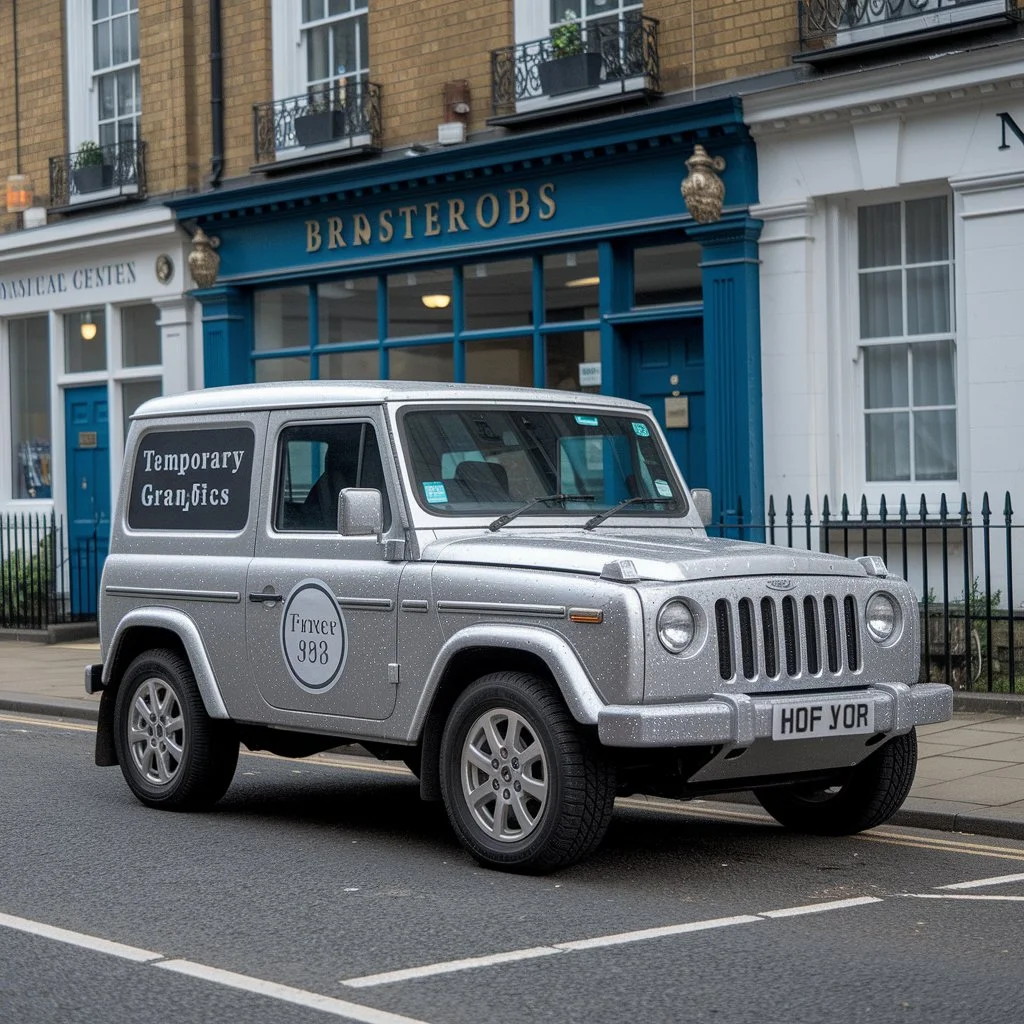
Temporary vehicle graphics are removable branding solutions that sit on your car, van, or lorry for a few weeks to several months before coming off. Think of them as the marketing equivalent of a pop-up shop. They’re there when you need them and gone when you don’t. Unlike permanent wraps that are in it for the long haul, these use materials specifically designed to peel away cleanly without wrecking your paintwork.
They’re brilliant for seasonal pushes, testing out new branding before you commit properly, or dressing up leased vehicles you’ll eventually hand back. The real appeal? You’re not stuck with the same message forever.
A magnetic sign takes seconds to slap on and just as quick to swap out. Vinyl decals give you more visual punch whilst still coming away cleanly when the campaign wraps up. Window graphics work a treat for retail businesses wanting to shout about a sale without touching the vehicle’s exterior permanently. Many companies also use temporary solutions as a lighter form of professional vehicle livery, giving them a polished branded look without the permanence of a full wrap. Different jobs need different solutions, but they all share one thing: flexibility.
British businesses love this because things change fast. Your product mix shifts, market conditions bounce around, and what worked in January might be completely wrong by June. Temporary graphics let you keep up without shelling out for permanent installations every time the wind changes direction.
Types of Temporary Vehicle Graphics
Magnetic Signs
These stick straight onto metal panels with no glue involved. You can move them about, reuse them, and they’re perfect if you share vehicles between staff or only want branding visible during work hours. With decent care, they’ll give you solid service, though constantly taking them on and off shortens that. Best for smaller messages on van sides or car doors, where you want maximum flexibility.
Vinyl Decals
You’ve got cut vinyl or printed options here. Either way, they’re sharper than magnetic signs and don’t fly off at motorway speeds. Quality and weather exposure determine how long they last. Cheap vinyl in a hard winter? You’ll be peeling corners fairly quickly. Good for windows, boots, or accent panels that play nicely with your existing colours.
Partial Wraps
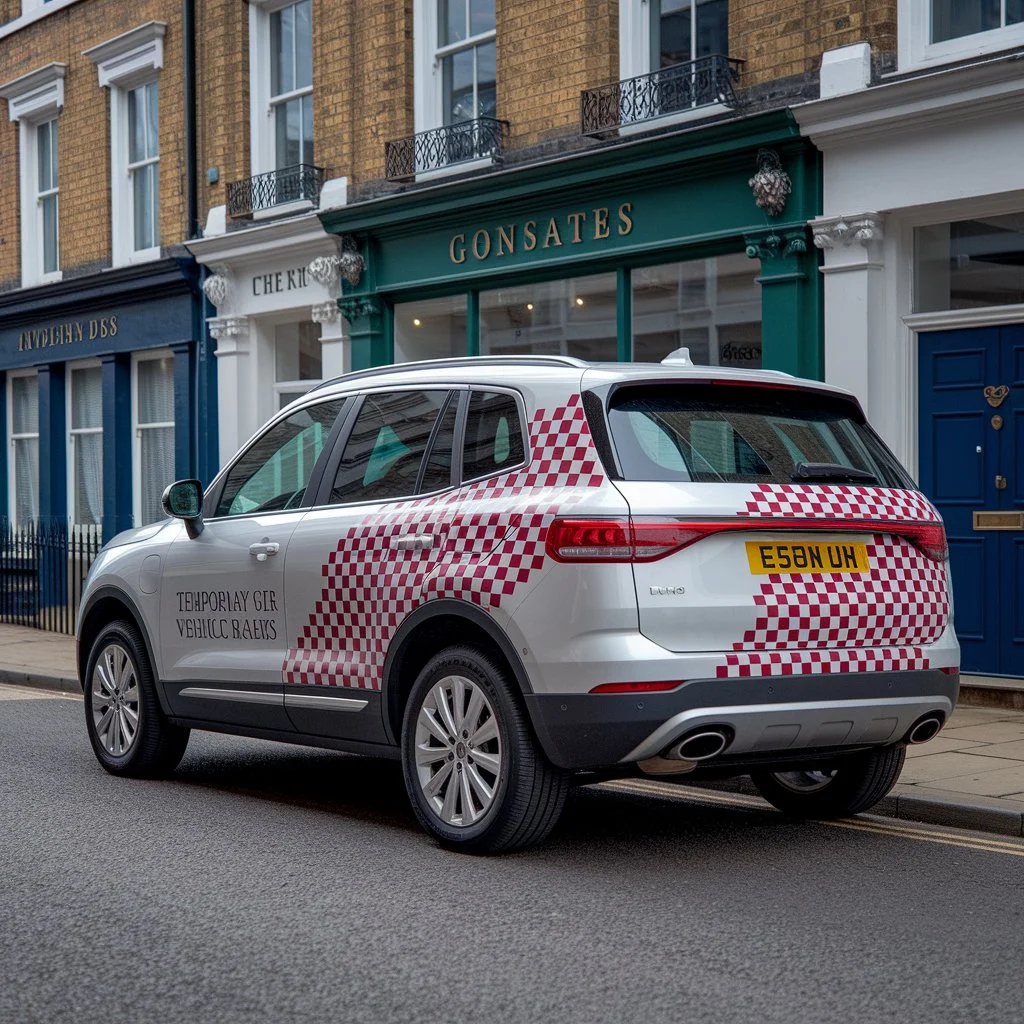
These tackle specific bits such as the bonnet, side panels, and rear doors rather than covering the whole vehicle. You get to keep your base paint colour whilst adding eye-catching promotional stuff where it counts. Most use calendared vinyl that’s designed for shorter stints. Clever option when you want impact on the bits people actually look at without paying for complete coverage.
Mesh Graphics
Loads of people forget about these, but they’re brilliant for rear windows and big glass areas. It’s perforated vinyl, so you can see out from inside whilst anyone outside gets the full-colour graphic treatment. Delivery drivers appreciate them because visibility matters when you’re reversing. They’ll last a decent stretch in our climate before they start looking tatty.
Why UK Businesses Benefit from Temporary Graphics
Money talks. Full permanent wraps cost significantly more than temporary partial jobs. That gap matters when you’re testing the waters in a new area or running a limited-time promotion. You get proper professional visibility without the permanent price tag hanging over you.
Our weather plays into it, too. Constant rain and navigating cramped city centres mean you want something that adapts quickly when plans change. Plenty of businesses lease their vans. Temporary graphics match those timescales perfectly. You get maximum branding without panicking about removal costs or paint damage when the lease ends and the van goes back.
Top Temporary Vehicle Graphics Ideas
Seasonal Campaigns
Christmas graphics in December, summer sale banners in July. It makes sense, doesn’t it? Magnetic signs and partial wraps let you switch messages as the calendar flips. A gardening business might run “Spring Planting Services” from March to May, then flip to “Autumn Garden Clearance” come September. Your van tells the story of your business year rather than broadcasting the same generic message forever.
Event-Specific Promotions
Running a stall at a trade show? Sponsoring a local festival? Graphics that last exactly as long as the event makes loads of sense. Once it’s done, peel them off, and you’re back to normal. Your vehicle becomes a moving advert for whatever you’re doing right now, not what you were doing six months ago.
Recruitment Drives
“We’re Hiring – Driver Positions Available” with a phone number beats putting ads in the paper. Everyone sees it, it costs nothing after the initial setup, and once you’ve filled the positions, it comes back to standard branding until the next hiring round.
Product Launches
New collections deserve a spotlight. A watch brand unveiling a fresh line of timepieces might promote “Now Introducing the New Automatic Series” for a few months to build excitement. If the range evolves or demand shifts, you’re not locked into permanent messaging about a style you’ve already moved beyond.
Local Community Connections
“Proud Sponsor of the Local Village Fete” or “Supporting the Community School Fundraiser” creates instant local goodwill. These aren’t long term commitments. The event passes, the graphics come off, but people remember you showed up for the community.
How Long Do Temporary Vehicle Graphics Last?
Depends what you’re using and how hard you’re working them. Here’s the realistic picture for British conditions:
- Magnetic signs last longer if you take them off regularly for a clean. Leave them on permanently, and they’ll warp or lose their grip much sooner.
- Standard vinyl decals vary quite a bit. Budget vinyl exposed to constant rain and motorway battering? Corners start lifting fairly quickly.
- Premium vinyl for partial wraps handles more wear and tear. Step up to cast vinyl, and you’re looking at even longer, though that’s edging into semi-permanent territory.
- Window graphics take a beating from UV, wipers rubbing against them, and rear windows get the worst of it.
British weather knocks quite a bit off whatever the manufacturer reckons. Rain, road salt, and temperature swings all take their toll faster than in sunnier, drier climates. Plan accordingly.
Installation and Removal Process
Getting them on takes longer for partial wraps, less time for magnetic signs or simple decals. Professional installers scrub the vehicle spotless, work in controlled temperatures, and use heat guns to get everything sitting properly around curves and awkward bits. You can DIY magnetic signs no problem, but vinyl needs a steady hand and some experience to avoid bubbles and creases.
Getting them off varies. Magnetic signs? Just pull them away. Vinyl needs gentle heat from a heat gun or hair dryer to soften the glue, then peel at a steady angle. Decent vinyl leaves hardly any residue, though cheap stuff might need adhesive remover. Partial wraps take longer to remove than smaller bits.
Here’s the key bit: don’t overstay your welcome. Vinyl that’s stayed on too long becomes a nightmare to remove. It’ll leave glue behind or potentially take paint with it. Get them off before they outstay their welcome.
Temporary vs Permanent Vehicle Graphics: When to Choose Each
Go temporary when you’re:
- Running a campaign that’ll only last a few months
- Wanting to try out new branding before you dive in properly
- Using leased vehicles that go back to the dealer eventually
- Watching the budget more closely
- Swapping messages depending on what time of year it is
- Driving the same vehicle for work one day and personal errands the next
Go permanent when you’re:
- After long-term brand recognition that builds over time
- Planning to keep your vehicles for a good few years
- Need graphics that can take daily punishment
- Thinking about what each impression costs you over years, not months
- Happy with your branding and can’t see it changing anytime soon
Loads of businesses do a bit of both. Stick your company name, logo, and phone number on permanently, then slap temporary promotional graphics over the top for whatever campaign you’re running. Your core branding stays put whilst you can still react quickly to what’s happening in your market.
Maintenance and Care
Wash them with mild soap and water. Nothing fancy. Don’t scrub like you’re trying to remove rust. Touchless car washes are fine, but avoid the ones with rotating brushes that can catch edges and start peeling things. Hand washing lets you check for problems whilst you’re cleaning.
Park under cover when you can. Constant sun fades colours, rain and road spray wear down the adhesive. If you’ve got magnetic signs and you’re doing a long motorway run, take them off first. They can vibrate loose or trap water underneath, which stains the paint.
Check for lifting corners regularly. Catching them early means you can press them back down before they become proper problems.
Frequently Asked Questions
Will temporary graphics damage my vehicle’s paint?
Not if you’re using proper materials and your paint’s in decent nick to start with. Problems happen when you leave graphics on way past their sell-by date, apply them over dodgy existing paint, or use cheap vinyl with nasty adhesives.
Do temporary graphics work in winter?
They do, but applying them in cold conditions is tricky because the adhesive won’t stick properly. Installers usually work indoors or use heated tents. Once they’re on the right, they handle British winters reasonably well, though ice scrapers and road salt don’t do them any favours.
How much do temporary vehicle graphics cost?
Prices vary based on vehicle size, design complexity, and material quality. Magnetic signs won’t break the bank, vinyl decals cost a bit more, and partial wraps step it up again. Full wraps? That’s where you’re spending the most. And if you’re not taking them off yourself, factor in what someone will charge you to do it.
Can temporary graphics go over existing permanent graphics?
Bad idea. You’re working with an uneven surface, and when you peel the temporary stuff off, there’s a fair chance it’ll drag the permanent layer with it. If you absolutely need to overlay, talk to an installer about materials that play nicely together.
What’s the shortest campaign that makes temporary graphics worthwhile?
A couple of weeks minimum. Any less and you’re paying installation costs for barely any exposure time. Magnetic signs make more sense for really short campaigns since there’s no installation fee.
Do I need planning permission for vehicle graphics?
No planning permission needed. Some business parks get funny about branded vehicles parked overnight, though, so check your lease or any covenants before you commit.
Can temporary graphics be reused after removal?
Magnetic signs can go back on multiple times if you store them flat and keep them clean. Vinyl is done once you’ve peeled it off. The adhesive is spent, and it usually tears during removal anyway.
What happens if graphics start peeling whilst driving?
Pull over safely and press the loose bit back down. Carrying on at speed can turn a small corner lift into a flapping mess. Get it properly repaired or removed within a few days.
Are there restrictions on what I can display on vehicle graphics?
Yes. Can’t have offensive content, misleading claims, or anything covering your number plates, lights, or windows you need for visibility. The DVSA can fine you for graphics that stop you from seeing properly or make it hard to identify your vehicle.
Conclusion
Temporary graphics give British businesses proper flexibility without the permanent commitment. They fit changing campaigns, accommodate seasonal shifts, and let you freshen things up when your messaging needs updating.
Different types of vehicle graphics mean you can pick what suits your budget and branding needs. At Magenta Signs, we create adaptable short-term signage that connects with local audiences. Get in touch for a consultation or quote, and we’ll sort temporary graphics that actually get your message across.