

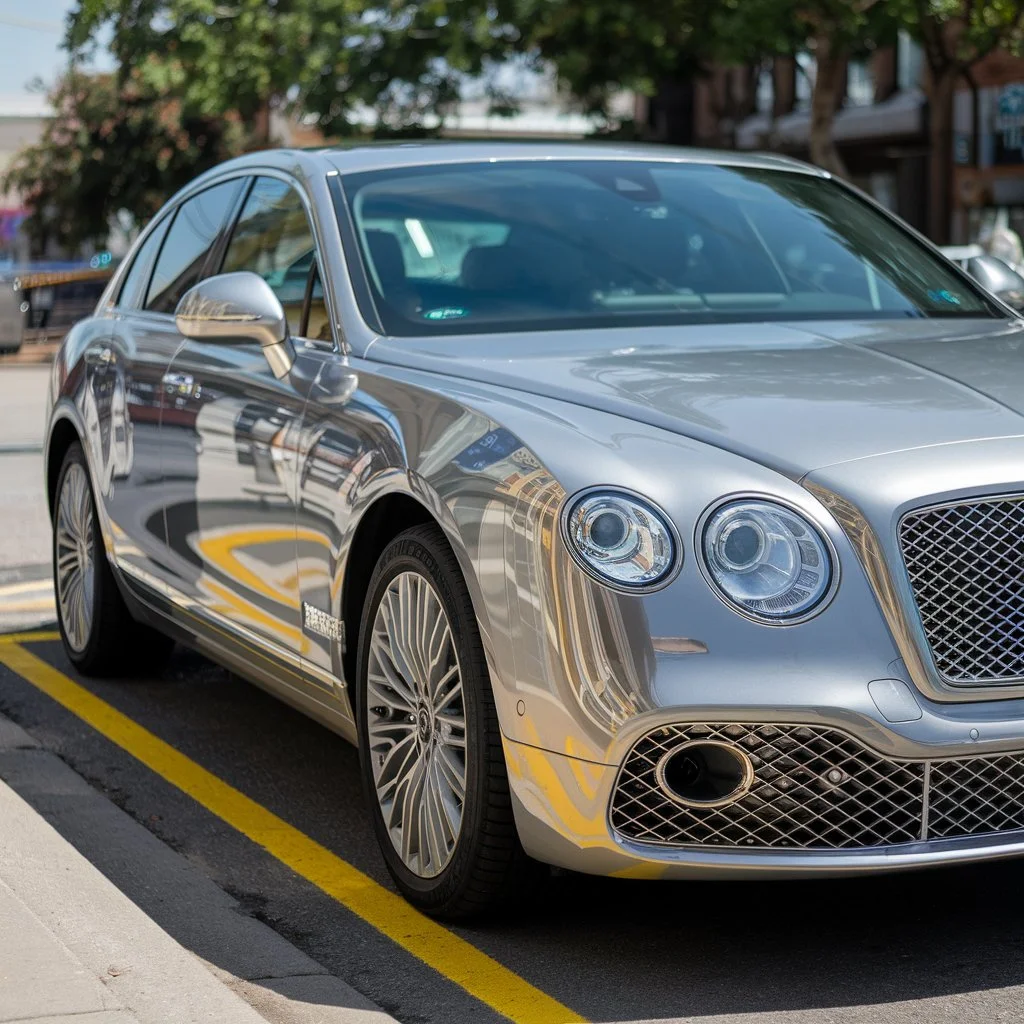
When considering a vehicle wrap, one of the most common questions we hear is about longevity. Understanding how long different wrap materials last helps you make an informed investment decision and set realistic expectations for your vehicle’s transformation.
Chrome car wraps typically last between five to seven years with proper care, whilst standard vinyl wraps can push beyond seven years and sometimes reach a decade with premium materials. Choosing quality professional vehicle wrapping services ensures your wrap reaches its maximum lifespan potential. The difference comes down to how each material handles UV exposure and environmental stress. Chrome finishes break down faster under sunlight because the reflective metallic layer is more vulnerable to oxidation and colour shift than the pigmented polymers used in traditional vinyl.
Professional installation significantly impacts how well your wrap performs throughout its lifespan. A poorly applied chrome wrap might start lifting at the edges within 18 months, whilst expertly fitted films maintain their appearance for years. Chrome wraps represent a premium investment, typically 40-60% more than quality vinyl, which reflects both the specialised material and the expertise required for flawless application.
Key Takeaways
- Chrome car wraps typically last five to seven years, vinyl wraps seven to ten years
- UV resistance differs significantly between chrome and vinyl materials
- Painted chrome trim can last 10-15 years but serves a different purpose
- Climate and maintenance practices directly impact wrap durability
- Both wrap types offer unique advantages for different vehicle uses
What Makes Chrome Car Wraps Durable?
Chrome car wraps consist of multiple layers working together: the bottom adhesive layer bonds to your paintwork, the middle structural layer provides stability, and the top chrome finish delivers the reflective appearance. This multi-layer construction is fundamental to modern car wrapping technology and how it protects your vehicle’s original paint. When any layer fails, the entire wrap’s integrity suffers.
Chrome finishes fail differently than standard vinyl because the metallic coating oxidises rather than simply fading. You’ll notice a hazy appearance or colour distortion before the film physically degrades. This oxidation process is irreversible and accelerates under UV exposure, which is why chrome wraps have a shorter service life than vinyl alternatives.
Regular cleaning with non-abrasive solutions prevents contaminants from bonding with the chrome surface. Automated car washes with stiff brushes can scratch the reflective finish, creating points where moisture penetrates and accelerates degradation. Hand washing with pH-neutral soap preserves the finish far better.
Parking conditions dramatically affect lifespan. Chrome wraps kept in garages often reach their maximum potential, whilst those parked outdoors year-round typically need replacement sooner. Temperature cycling from British winters to summer heat stresses the adhesive bond, with regional variations in temperature and UV intensity creating different durability outcomes.
Chrome Wrap vs Vinyl Wrap: Complete Lifespan Comparison
| Feature | Chrome Wrap | Vinyl Wrap |
| Average Lifespan | 5-7 years | 7-10 years (up to 12 with premium) |
| UV Resistance | Metallic layer oxidises under UV | Pigmented polymers resist degradation |
| Maintenance | Bi-weekly hand washing with specialised products | Standard products, monthly washing sufficient |
| Cost | £3,000-5,000* | £2,000-3,500* |
| Cost Per Year | £600-1,000 annually | £200-500 annually |
| Repair Options | Best addressed with professional assessment | Panel-specific repairs blend seamlessly |
| Climate Performance | Thrives with consistent care | Excellent for UK conditions |
*Estimates vary based on vehicle size and material quality
Standard vinyl uses pigmented polymers that resist UV degradation through chemical stabilisers mixed throughout the material. When vinyl fades, it does so gradually and evenly. Chrome wraps use a metallic reflective layer that oxidises under exposure, leading to patches of discolouration or a milky appearance.
Chrome achieves its mirror finish through specialised materials that respond differently to environmental exposure. The reflective surface shows its full impact when properly maintained. At Magenta Signs Ltd, we’ve found that consistent care routines help chrome wraps reach their full lifespan potential, whilst vinyl’s flexibility handles varied conditions with standard maintenance.
How Long Does Painted Chrome Trim Last on Cars?
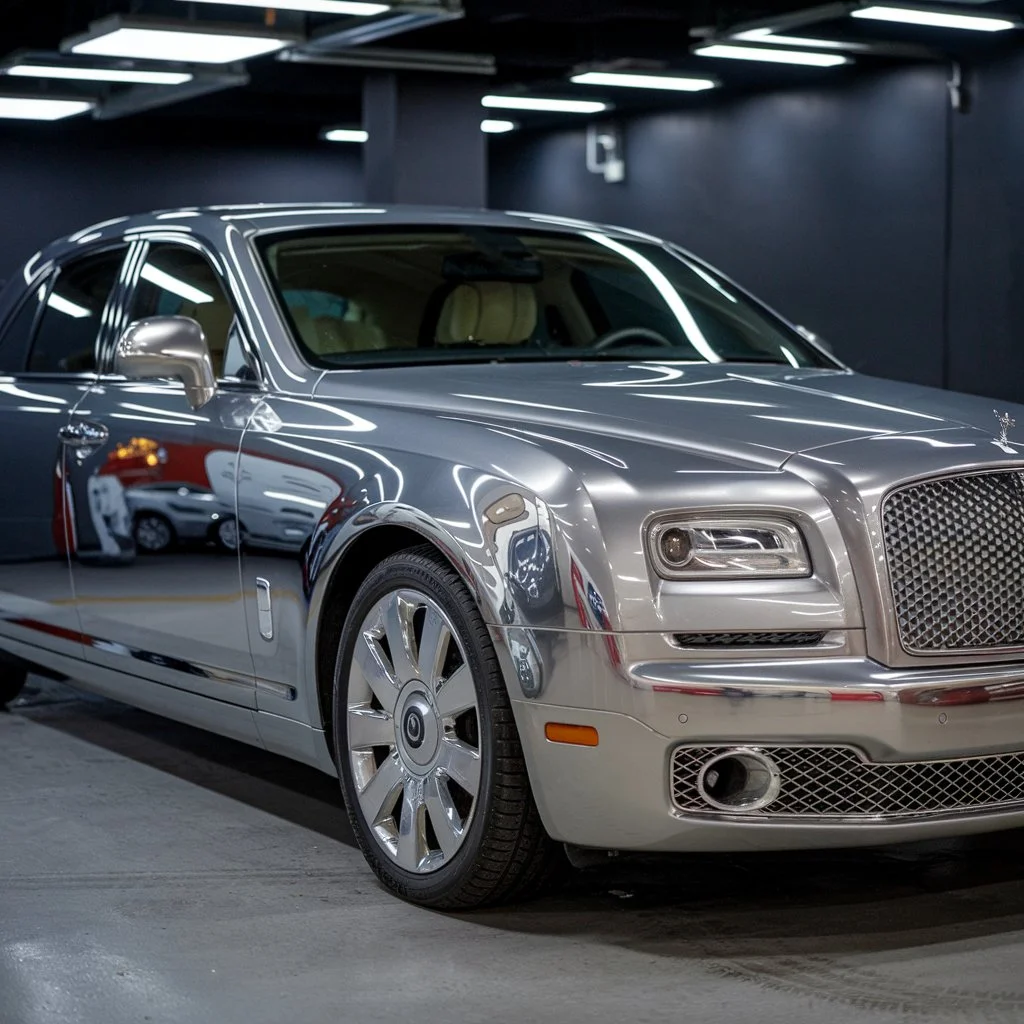
Factory-applied painted chrome trim (the chrome-look plastic pieces around windows, grilles, and door handles) typically lasts 10-15 years before showing significant degradation. The confusion arises because people use “chrome” to describe three different things: actual chrome-plated metal, chrome-look painted plastic trim, and chrome vinyl wraps. They perform very differently.
Real chrome plating on metal components can last decades. The electroplating process creates a molecular bond between the chrome and base metal that’s extraordinarily durable. Modern cars rarely use true chrome plating due to environmental regulations around the hexavalent chromium used in the process.
Chrome-look painted trim uses a vacuum metalising process where aluminium is deposited onto plastic, then covered with protective clear coats. This happens over many years rather than the shorter timeframe typical of wraps.
The practical distinction: factory trim is bonded and sealed during manufacturing in controlled conditions. Wraps are applied in workshops and rely on adhesive rather than molecular bonding. That fundamental difference explains the lifespan gap.
Factors That Affect Chrome Car Wrap Longevity
Material Quality
Premium chrome wraps use thicker vinyl substrates (typically 2-3 mil versus 1.5-2 mil for budget options) and more sophisticated adhesive chemistry. The adhesive needs to bond firmly enough to prevent lifting but remain removable without damaging the paintwork underneath.
Climate and Environmental Exposure
UV intensity varies across different regions. Areas with higher sun exposure naturally experience faster chrome degradation. Coastal environments introduce salt that accelerates oxidation on chrome finishes, whilst urban pollution creates different challenges than rural settings.
Temperature variation stresses the adhesive bond. Chrome wraps expand and contract with temperature changes, and each cycle marginally weakens the bond.
Installation Quality
Expert installers prepare the surface properly through paint correction, decontamination, and ensuring completely dry panels before application. Trapped contaminants or moisture create failure points where the wrap will eventually lift.
Edge sealing technique determines longevity. Properly wrapped edges, where the film wraps around panel edges and is heat-sealed, prevent moisture ingress. This precision work protects against bubbling or haziness developing over time.
Maintenance Practices
Chrome wraps maintain their mirror finish with regular care. Bi-weekly hand washing with specialised cleaning products protects the reflective layer whilst removing contaminants. Addressing dirt, organic matter, or road grime promptly prevents these materials from chemically bonding with the finish.
Chrome vs Vinyl: Which Should You Choose?
Both chrome and vinyl wraps offer strong advantages, and the right choice depends on your priorities, vehicle use, and aesthetic goals.
Chrome Wraps: Maximum Visual Impact
Chrome delivers an unmatched mirror finish that transforms any vehicle into a genuine head-turner. The reflective surface creates an appearance that photographs exceptionally well, ideal for promotional vehicles, show cars, or making a bold personal statement. Chrome’s unique aesthetic simply cannot be replicated by any other wrap material.
For clients who value standout appearance and are committed to proper maintenance, chrome delivers an incomparable look throughout its service life.
Vinyl Wraps: Versatility and Extended Performance
Vinyl excels in offering extensive customisation options. With finishes ranging from satin and matte to gloss, colour-shifting, and textured options, vinyl provides appearances across a broad spectrum. The material handles varied UK weather conditions consistently and accommodates standard car care routines.
Vinyl suits clients who prioritise extended lifespan and want a wrap that performs reliably across different applications. The lower annual cost makes vinyl an economical choice for full vehicle transformations.
How to Choose the Right Wrap for Your Vehicle
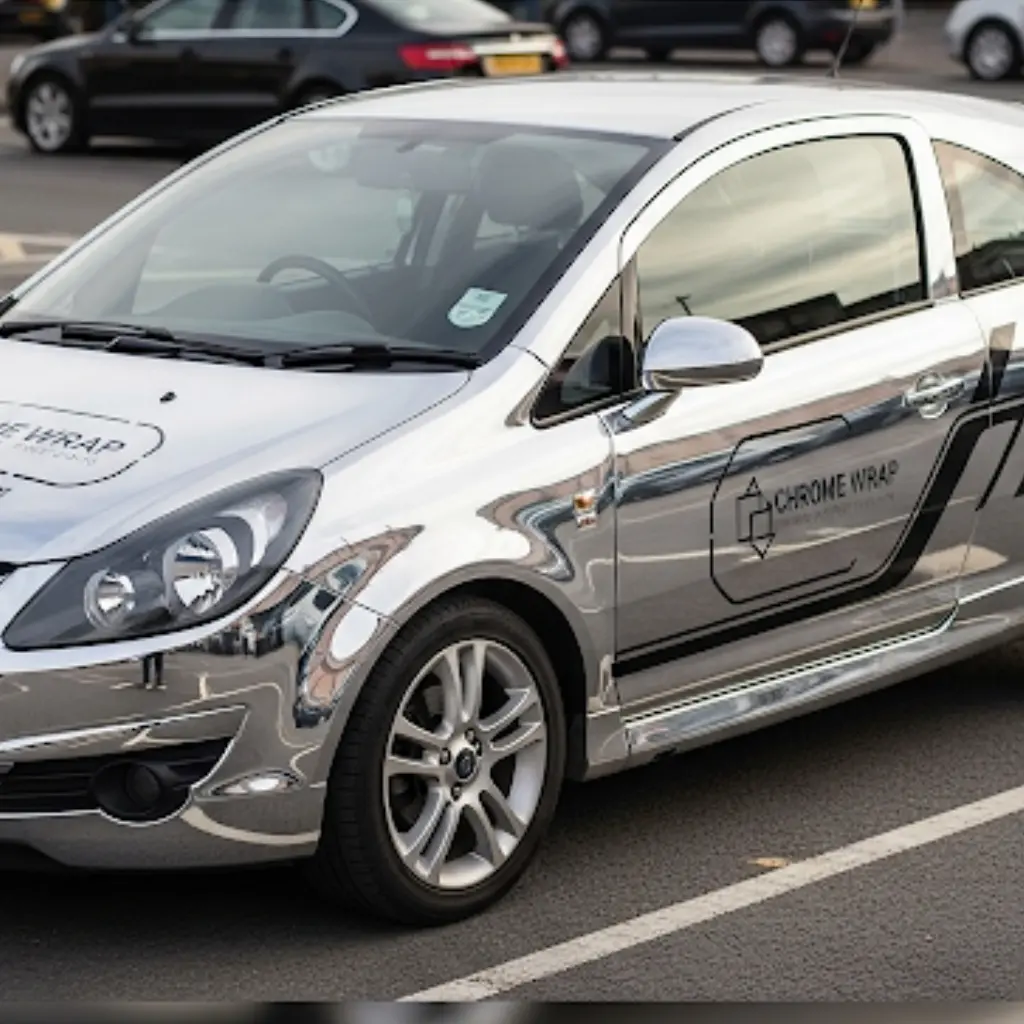
Consider how you’ll use your vehicle. Show cars and promotional vehicles benefit from chrome’s arresting visual impact. Daily drivers often align well with vinyl’s durability and maintenance flexibility.
When we consult with clients at Magenta Signs Ltd, we discuss how the vehicle will be used, storage options, and aesthetic priorities to identify the ideal match. A chrome wrap costing around £4,500 (prices vary based on vehicle size) offers maximum visual impact. Vinyl at approximately £2,800 provides versatile, reliable performance. For a comprehensive breakdown, understanding detailed car wrap pricing and cost factors helps you budget accurately for your project. These are estimated costs that depend on your specific vehicle and requirements.
Both options represent quality solutions. The question is simply which aligns best with your specific situation and goals.
Frequently Asked Questions
Can you extend chrome wrap life beyond its typical range?
Chrome wraps have a practical ceiling on lifespan because the degradation is molecular rather than surface-level. UV damage to the metallic layer is cumulative. Excellent maintenance optimises the wrap’s performance within its service life.
What are the first signs a chrome wrap needs attention?
Haziness or milky appearance in high-UV areas (bonnet, roof) signals degradation. Edge lifting around door handles and panel seams indicates adhesive changes. Colour shift (the chrome taking on a yellowish or rainbow tint) means the metallic layer is oxidising. Small bubbles that won’t smooth out suggest moisture has penetrated underneath.
How does chrome wrap durability vary by region?
Higher UV exposure in sunnier areas affects chrome lifespan compared to northern regions. Salt air near the coast accelerates oxidation. Professional installers account for these regional factors when setting maintenance expectations.
What’s the best way to care for a chrome wrap?
Regular hand washing with pH-neutral products maintains the mirror finish brilliantly. Use soft microfibre cloths and avoid abrasive materials. Address contaminants promptly before they bond with the surface. Protective storage when possible shields against UV exposure. This consistent care routine keeps chrome looking its best.
Get Expert Advice on Your Car Wrap Project
Choosing between chrome and vinyl wraps depends on your specific needs, budget, and how you plan to use your vehicle. Chrome delivers unmatched visual impact for those seeking maximum presence, whilst vinyl offers superior longevity and versatile finish options that suit varied preferences.
Quality application makes the difference between a wrap that underperforms and one that reaches its full potential. Surface preparation, precise technique, and proper sealing all contribute to long-term results.
If you’re considering a chrome or vinyl wrap for your vehicle, we can help you understand which option aligns best with your requirements. Our team assesses how you’ll use the vehicle, storage conditions, and aesthetic goals to recommend the most suitable wrap solution. Contact Magenta Signs Ltd today to discuss your car wrap project and receive a detailed quote tailored to your specific needs.