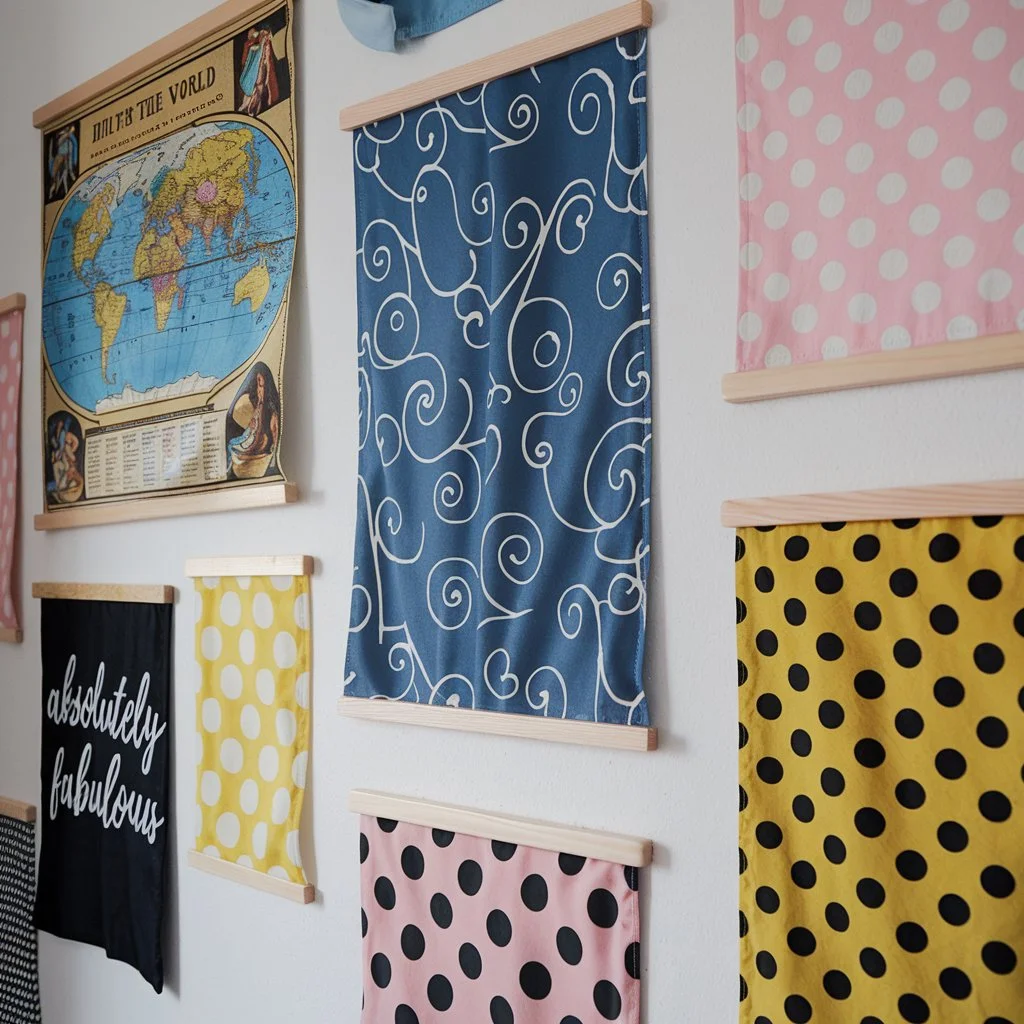
Fabric posters combine textiles with specialised printing techniques to create durable, vivid displays. The process involves selecting the ideal fabric, such as polyester, for its ink receptivity, followed by applying fabric-specific ink that penetrates deeply, ensuring colour vibrancy and longevity. Heat-setting the ink fixes the colours, enhancing their resistance to fading. Versatile indoor display solutions can complement fabric posters, providing platforms for showcasing information in various environments.
Key Takeaways
- Select high-thread-count fabrics like polyester for optimal ink absorption and resolution.
- Use specialised fabric paint and acrylic mediums to ensure deep colour penetration.
- Implement heat-setting techniques post-printing to prevent fading.
- Optimise images at 300 dpi and use PDF format to maintain design integrity.
- Employ contrasting colour schemes to enhance readability and visual impact.
What Are Fabric Posters?
Fabric posters are crafted from durable, lightweight materials that offer unique textural qualities. These posters employ specialised printing techniques that can integrate acrylic paints, enhancing vibrancy and texture depth. Their foldable nature guarantees ease of transportation and storage, making them particularly advantageous for frequent usage in various settings.
Understanding Fabric Material
Whilst traditional posters are typically printed on paper, fabric posters utilise textiles such as polyester, satin, or nylon. These materials are gaining popularity for both personal and professional use thanks to their qualities that make them ideal for long-lasting displays.
Polyester is known for its strength and wrinkle-free properties. The tight weave of textile materials facilitates high-resolution ink absorption, enhancing the sharpness of images. Specialised inks prevent fading and maintain colour integrity over time.
Comparison with Paper Posters
Fabric brings practical advantages over paper, particularly regarding durability and reusability. Paper tears easily and creases permanently, whilst fabric can be folded, packed away, and reused without significant wear. Unlike traditional paper posters that require careful handling, fabric absorbs and diffuses light more naturally, resulting in a softer visual presentation.
Fabric absorbs and diffuses light more naturally than paper, resulting in a softer visual presentation. This becomes especially relevant in exhibition spaces or retail environments where lighting conditions vary. Fabric can be rolled tightly, slipped into a tube, and unrolled at the destination without losing its shape.
How to Design Fabric Posters for Printing
Getting the design right from the start ensures outstanding results. At Magenta Signs, we’ve found that clients who invest time in proper file preparation consistently receive the best possible prints.
Image Resolution and File Formats
Print files should be set at 300 dpi for optimal results. This resolution ensures sharp, clear images on fabric.
PDF format preserves design integrity better than JPEG or PNG. Vector graphics remain sharp at any scale, whilst raster images stay locked to their original resolution. If your design includes text, converting it to outlines before exporting ensures consistent typography across different printing systems.
Colour Calibration
Screens emit light; printed fabric reflects it. This fundamental difference means professional colour calibration plays an important role in achieving desired results. CMYK colour mode matches the printing process more closely than RGB.
For projects where precision matters (brand guidelines, product packaging, corporate identity), professional printing services offer colour-matched samples before full production runs. Bold, well-defined colour choices produce clean, readable prints.
Printing Techniques for Fabric Posters
Different printing methods suit different needs. Understanding how each one works helps you choose the right approach. Modern digital printing techniques have revolutionised fabric poster production, offering superior colour accuracy and consistency.
| Printing Method | Best For | Key Advantages | Ideal Fabric Types |
| Dye-Sublimation | Medium to large runs | Permanent colours that won’t crack | Polyester, synthetic fabrics |
| Direct-to-Fabric | Small to medium quantities | Wide material compatibility | Cotton blends, natural and synthetic fibres |
| Screen Printing | Large quantities, bold designs | Thick, tactile finish | Most fabric types |
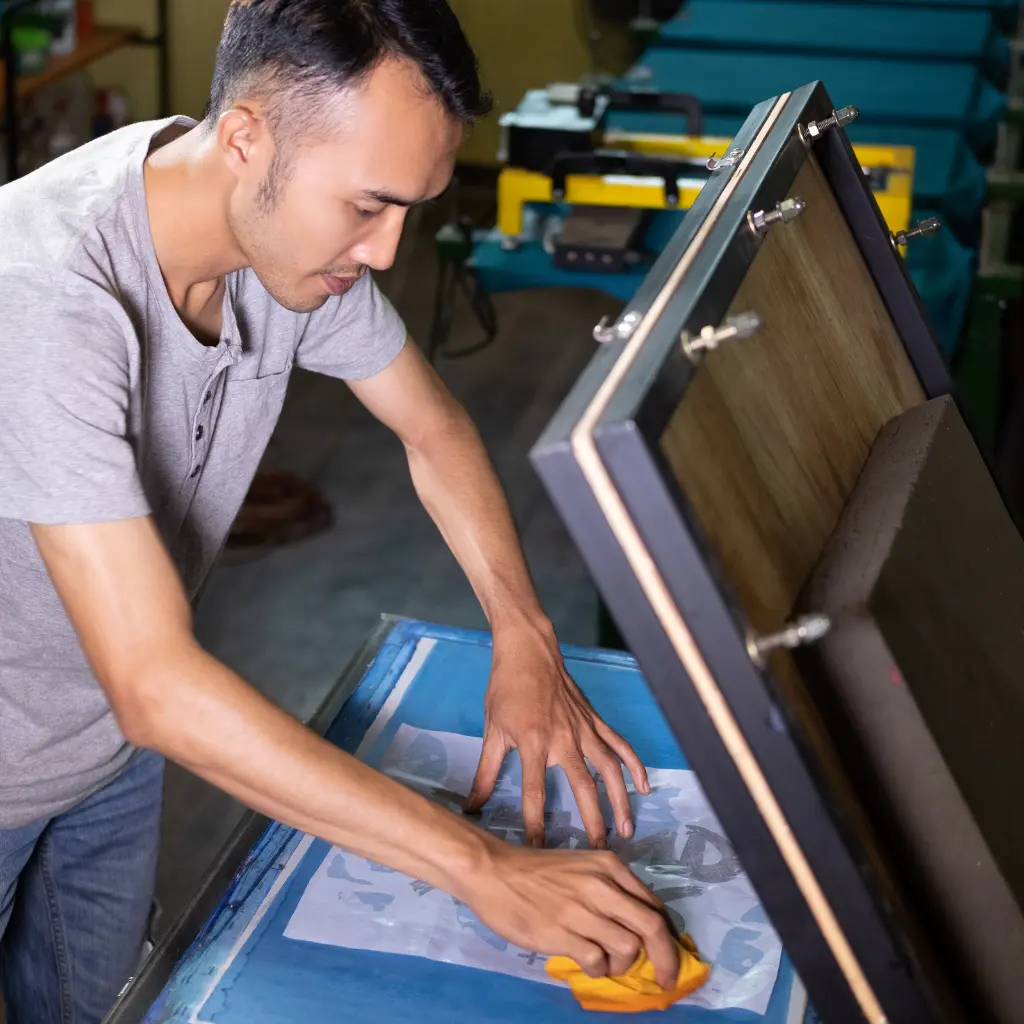
Dye-Sublimation Printing
With this approach, heat is applied to push the dye into the fabric fibres. The result is a print that won’t crack, peel, or fade under normal use. Colours remain vibrant because the dye becomes part of the fabric itself. Dye-sublimation works brilliantly on polyester and other synthetic fabrics.
Direct-to-Fabric Printing
Inkjet printers adapted for textiles spray ink directly onto the fabric surface. This method accommodates a wider range of materials, including cotton blends and natural fibres. Heat-setting the ink after printing enhances its resistance to fading and handling. The same principles apply to various fabric printing applications, making this technique versatile for different display formats.
Screen Printing on Fabric
Screen printing builds up layers of ink through a mesh stencil, creating a thicker, tactile finish. This method excels at producing bold, simple designs with limited colour palettes. The setup process makes it economical for larger quantities.
Preparing and Delivering Fabric Posters
Once the poster is printed, it should be rolled rather than folded. Rolling the fabric around a sturdy cardboard tube prevents creases. Wrapping the rolled poster in plastic before placing it in a shipping tube adds protection against moisture.
Professional packaging using rigid tubes safeguards against damage. Clear handling instructions on packages prevent mishandling during transport. Reliable delivery services with tracking options provide peace of mind.
How to Display Fabric Posters Effectively
The right mounting method enhances visual impact and preserves quality.
Methods for Mounting Your Poster
Stretch frames secure the fabric poster onto a stretcher frame, pulling the fabric taut and eliminating wrinkles for a smooth appearance. Magnetic hanging strips attach to both the wall and the back of the poster, allowing for easy adjustments.
Adhesive Velcro offers a simple solution for temporary displays. Dowel rods with decorative rope combine functionality with a rustic aesthetic.
Tips for Exhibition Setups
Use diffused, indirect lighting to prevent glare whilst enhancing colours and details. Provide adequate space between each poster to allow individual pieces to be appreciated. Choose non-invasive mounting solutions such as magnetic or clip-based systems. Arrange posters in a logical sequence that guides viewers through the exhibition.
Cost of Fabric Poster Printing
Pricing varies based on size, quantity, material choice, and finishing requirements.
| Poster Size | Single Unit Cost | 10+ Units (per poster) | 50+ Units (per poster) |
| A2 (420mm x 594mm) | £15-£25 | £10-£18 | £8-£13 |
| A1 (594mm x 841mm) | £25-£40 | £18-£28 | £13-£20 |
| Large Format (1.5m x 1m) | £60-£80 | £40-£55 | £30-£45 |
Please note these are estimated costs in pounds sterling and may vary based on supplier, location, specifications, and current market conditions.
Polyester offers outstanding value due to its widespread availability. Satin finishes add 15-25% to the base cost, whilst specialised fabrics provide enhanced visual effects at higher price points.
Most professional printers offer tiered pricing based on quantity. The cost per poster drops significantly with larger orders because setup costs remain the same whether printing one poster or one hundred.
Hemming edges costs an extra £3-£8 per poster. Adding grommets for hanging increases costs by £5-£10. Mounting on a rigid backing board or stretch frame adds £20-£50. All pricing is approximate and subject to variation.
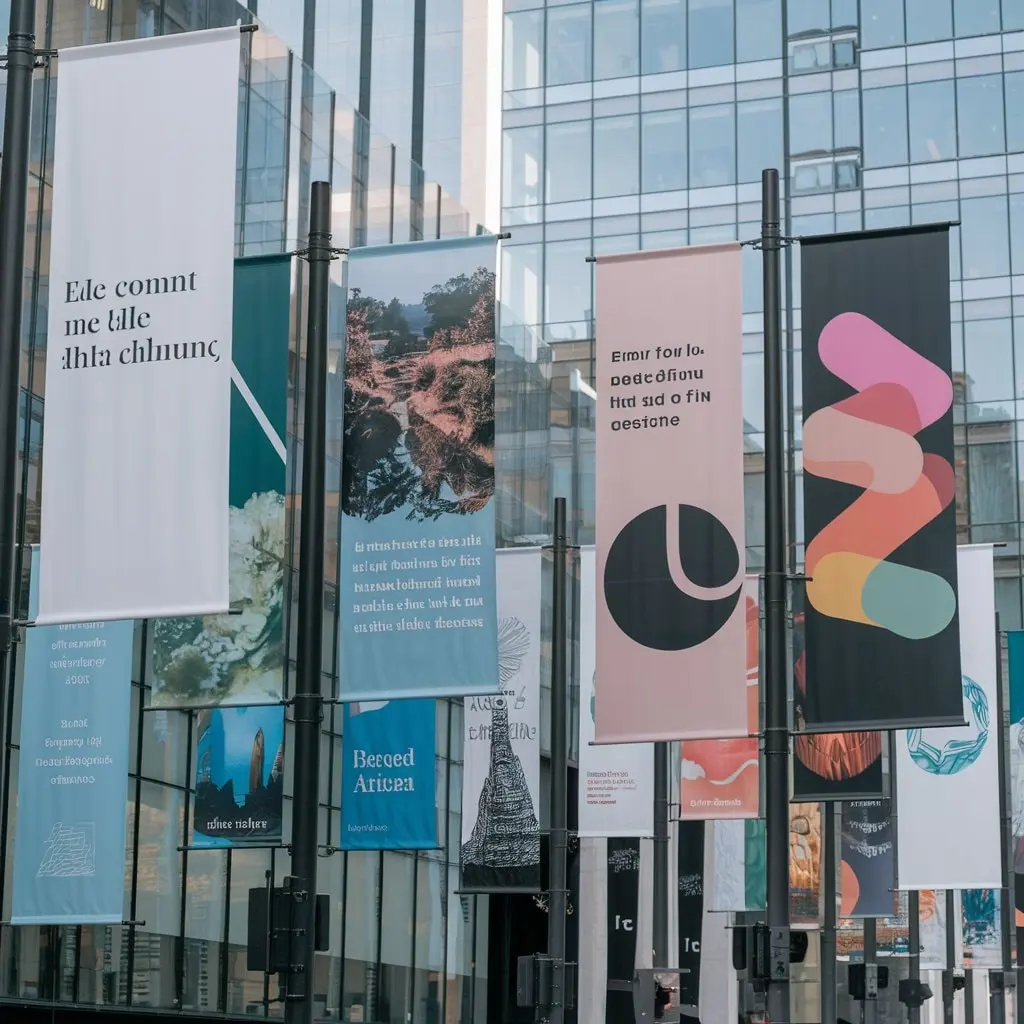
Common Uses for Fabric Posters
Trade Shows and Events
Exhibition stands and event backdrops benefit from fabric posters’ portability and visual impact. They pack flat, transport easily, and set up quickly without requiring rigid frames. A well-made fabric poster can attend dozens of events over several years.
Retail Environments
Shop displays and in-store promotional materials use fabric posters because they’re easy to update. Seasonal campaigns, product launches, and sales promotions all benefit from graphics that can be changed regularly. Permanent informational displays handle policies, opening hours, and staff information, whilst fabric posters showcase time-sensitive promotions and featured products.
Corporate Spaces
Office environments use fabric posters for brand messaging, motivational displays, and wayfinding. Conference rooms, reception areas, and communal spaces provide opportunities for displays that communicate company values. Fabric posters work particularly well as part of creative office feature walls that elevate the professional atmosphere.
Home Décor
Personal spaces benefit from fabric posters’ aesthetic qualities. Art prints, photography, and custom designs work beautifully on fabric, creating visual interest without the weight of framed paper prints.
Frequently Asked Questions
What is a textile poster?
A textile poster is another term for a fabric poster, a printed graphic created on fabric rather than paper. The term emphasises the material’s woven nature.
How much does fabric poster printing cost?
A single A2 polyester poster typically runs £15-£25, whilst A1 sizes cost £25-£40. Bulk orders reduce per-unit costs significantly. All prices are estimates in pounds sterling and may vary based on supplier and location.
What are the advantages of fabric posters?
Fabric excels in durability, reusability, and portability. It resists tearing and handles repeated use exceptionally well. Fabric posters can be folded and transported without permanent damage, making them ideal for events and exhibitions.
How do I care for fabric posters?
Roll rather than fold when storing to prevent creases. If wrinkles develop, a steam iron on low heat with a protective cloth removes them. Spot cleaning with a damp cloth addresses most maintenance needs.
What’s the best fabric for poster printing?
Polyester handles most applications effectively, offering superior ink absorption, colour vibrancy, and durability. Its synthetic nature makes it compatible with dye-sublimation printing. Satin provides a subtle sheen for applications requiring a premium appearance.
Can I print photographs on fabric?
Yes, fabric printing handles photographic images beautifully. Images with strong contrast and defined subjects print exceptionally well. Dye-sublimation printing produces outstanding photographic-quality results.
Ready to Create Your Fabric Posters?
Fabric posters represent a sophisticated blend of functionality and aesthetic appeal, ideal for dynamic display settings such as conferences, retail environments, and corporate spaces. At Magenta Signs, we specialise in delivering high-quality fabric poster printing that brings your vision to life. Our expertise in colour calibration, material selection, and professional finishing ensures your posters make the impression you’re looking for. Contact us today to discuss your fabric poster requirements.