

Introduction
Sign size is one of the most underestimated decisions a business makes. Too small and the message gets lost. Too large and it can feel imposing or fall foul of local planning rules. Working out how large outdoor signs should be takes more than a quick measurement of the wall space available. Viewing distance, traffic speed, mounting height and the surrounding environment all influence what works in practice. This guide walks through the key factors that shape the right outdoor sign sizes for UK premises, helping shop managers, property managers and business owners make confident decisions before committing to design or installation.
Why Sign Size Matters
A sign exists to be seen and understood quickly. When the dimensions are wrong, even excellent design and quality materials cannot rescue it. An undersized fascia disappears into the building, while an oversized board can overwhelm the architecture quickly.
Getting the proportions right means your message reaches passing customers at the moment they need to see it. Pedestrians glancing across a high street, drivers approaching a retail park entrance, and visitors searching for a unit on an industrial estate all have different needs, and the sign should be scaled to suit them.
Factors That Determine Ideal Sign Size
Several practical considerations shape the right outdoor sign board size for any given location. Working through them properly at the planning stage saves expensive corrections later.
Viewing Distance
The further away a sign needs to be read, the larger the lettering must be. A general guide used across the trade is that every inch of letter height gives roughly ten feet of comfortable reading distance. A sign meant to be read from across a four-lane road needs significantly bolder text than one viewed from a few paces along the pavement.
Speed of Passing Traffic
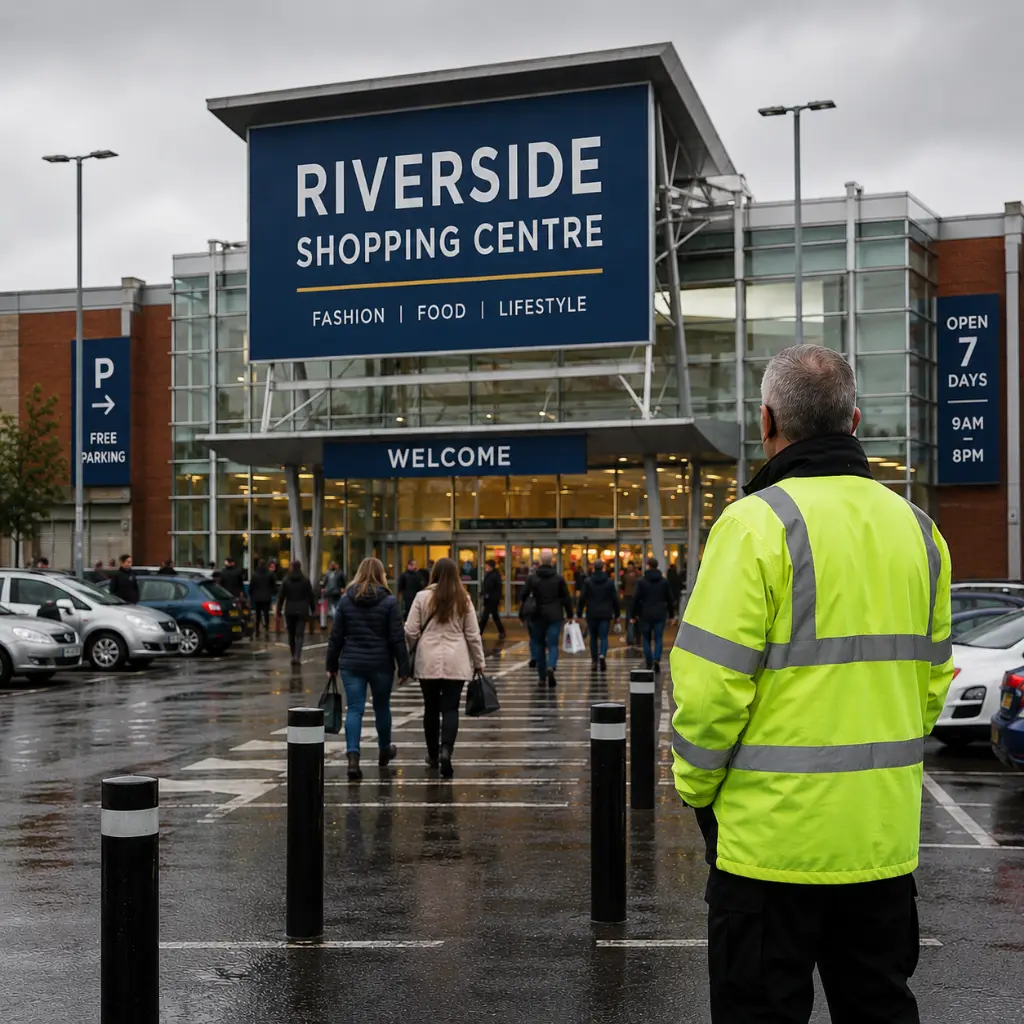
Drivers process information far more quickly than people on foot. Signage aimed at vehicles on a 40 mph road needs to be readable in a single glance, which calls for larger lettering, simpler messaging and stronger contrast. Pedestrian-focused fascias on a high street can carry a little more detail because customers have time to absorb it.
Location and Mounting Height
A fascia sits within easy view, but a high-level wall sign or pylon needs different proportions to feel balanced and legible. Mounting height also affects how the sign reads against the surrounding architecture, particularly on taller office buildings or units within retail parks.
Message Length
The more words a sign carries, the larger it has to be to stay legible. Concise messaging almost always outperforms cluttered designs. A clear name and short tagline read cleanly from a distance, whereas paragraphs of supporting text rarely earn their place outdoors.
Font Choice and Design Impact
Bold, well spaced sans serif fonts read far more cleanly at a distance than decorative or condensed alternatives. Two signs of identical dimensions can perform very differently depending on typography, spacing and layout choices made during the design stage.
Local Council Regulations
Every UK local authority sets its own rules around exterior signage. Maximum dimensions, projection limits and consent for illumination all vary, and conservation areas tighten requirements further. Checking these early prevents costly redesigns, and Magenta Signs Ltd can help review local signage regulations during planning so the project stays on track.
Common Outdoor Sign Sizes and Where They Work
While every project deserves its own assessment, certain general size ranges suit particular applications across UK premises.
| Sign Type | Typical Use | General Size Guidance |
| Fascia signs | High street shops and retail units | Sized to fit the full fascia width with proportionate letter height |
| Projecting signs | Pedestrian areas where side on visibility matters | Smaller scale, designed for close range reading |
| Pylon and totem signs | Retail parks and industrial estates | Tall and bold, sized for vehicle traffic visibility |
| Wall mounted signs | Office buildings and commercial premises | Scaled to the building facade and mounting height |
| Banners | Temporary promotions and events | Sized to the fixing points and viewing distance |
These are starting points rather than fixed rules. The right specification always depends on the site itself.
What Happens If Your Sign Is Too Small
Undersized signage is one of the most common visibility problems across UK premises. The business has invested in design and installation, yet customers still walk or drive past without registering it. The sign blends into the building rather than lifting away from it.
Typical consequences of undersized signage
- Reduced footfall from pedestrians who simply do not notice the premises
- Drivers are missing the entrance and continuing past without stopping
- Weakened brand presence within busy retail parks or high street parades
- Customers are questioning whether the business is even open or established
If your current signage feels lost on the building, a quick assessment from Magenta Signs Ltd can identify whether sizing or positioning is the underlying issue.
Cost Implications of Size
Larger signs carry higher material, fabrication and installation costs, and illuminated versions draw more power and often need additional fixings or structural support. That said, undersizing rarely saves money in the long run because the sign fails to deliver the visibility the business needs in the first place.
The sensible approach is to specify the correct size from the outset, using durable materials such as aluminium composite, weather-grade acrylic or stainless steel that perform well through UK seasons. A properly proportioned sign continues delivering value for years, making the original investment far more worthwhile. This long-term return is one of the clearest reasons physical signage continues to outperform digital spend in certain areas of local marketing.
Choosing the Right Sign Size for Your Premises
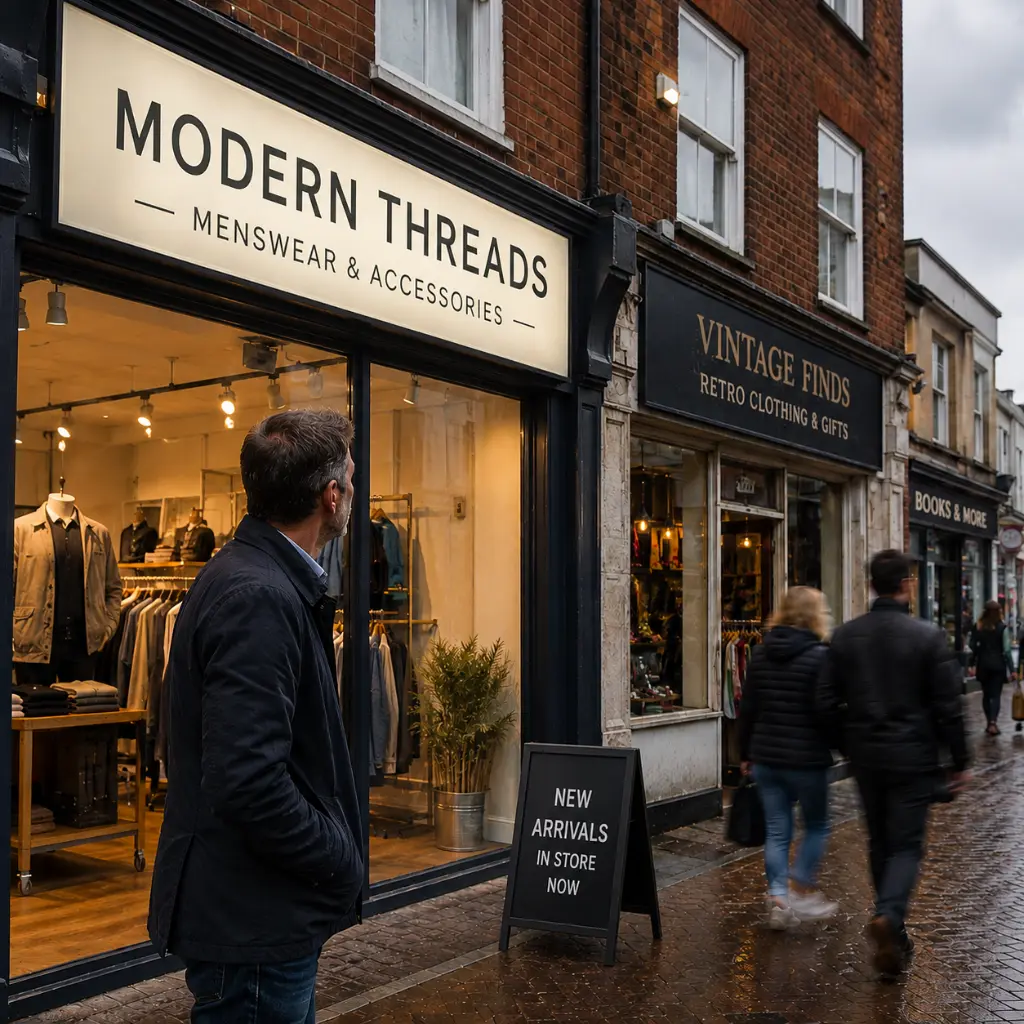
The decision should always start with the site itself. Walk the location at different times of day, from every angle a customer might approach. Look at how the building reads from across the road, from the car park and from the pavement directly outside. Note any obstructions such as trees, lamp posts or parked vehicles that affect sightlines.
Practical questions worth asking before specifying size
- How far away will the sign typically be read from?
- Are the main viewers pedestrians, drivers, or a mix of both?
- What is the mounting height, and how does it relate to the surrounding architecture?
- How much text does the sign genuinely need to carry?
- Are there local planning rules that limit overall dimensions?
Answering these honestly leads to a far better specification than working from wall measurements alone. Magenta Signs Ltd is happy to carry out a site assessment and offer practical recommendations rooted in the realities of the location.
Lighting and Visibility Across the Day
Size alone does not guarantee visibility. UK winters bring shorter daylight hours, and many premises lose impact entirely once the light fades. Illuminated signs, halo-lit lettering or carefully placed trough lighting all help maintain presence into the evening, particularly for hospitality, retail and healthcare premises that trade beyond standard hours.
When planning dimensions, it is worth thinking about how the sign performs at dusk and after dark, not only in bright daylight. A sign that disappears at four in the afternoon during winter is only delivering part of the visibility it should. Knowing when a sign has genuinely reached the end of its useful life is just as important as specifying it correctly in the first place, and recognising the warning signs early saves more than just the cost of replacement.
Conclusion
Sizing a sign properly is rarely a matter of guesswork. It comes down to honest judgement of the location, the audience and the message the business genuinely needs to communicate. A well-proportioned sign sits comfortably on the building and quietly delivers value through every season. When you are ready to plan a new sign or review one that no longer feels right for the premises, Magenta Signs Ltd is on hand with practical advice and dependable workmanship from start to finish.