

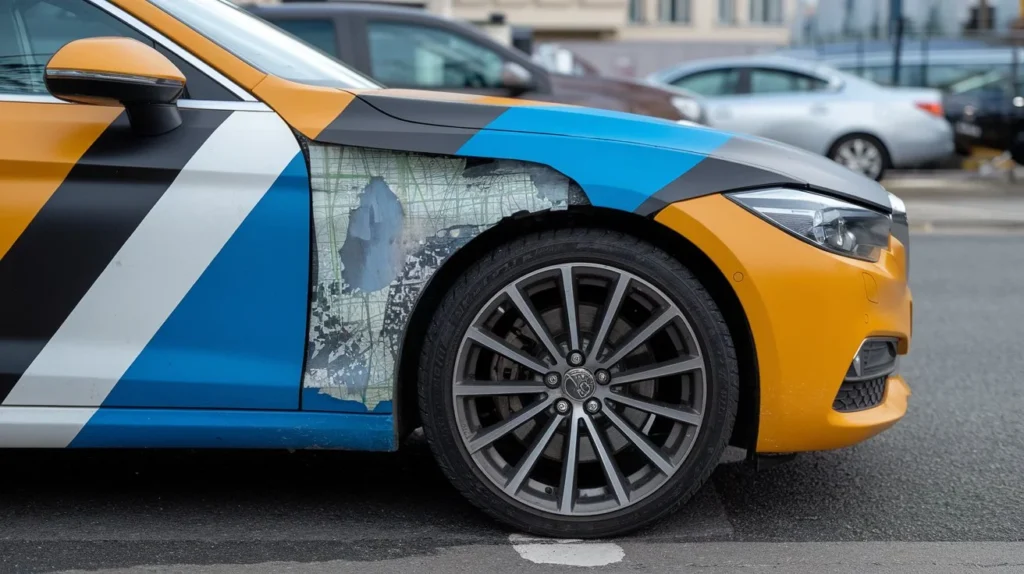
The concern about paint damage stops many vehicle owners from considering wraps. It’s a legitimate question—you’re covering your car’s paintwork with adhesive vinyl, whether for a single vehicle or larger fleet wrapping projects, so naturally you wonder whether you’ll cause harm when you eventually remove it.
The straightforward answer is no, properly applied vinyl wraps don’t damage paint. In fact, they protect it. But that answer comes with important qualifications about paint condition, installation quality, and removal timing that determine whether your wrapping experience preserves or damages your vehicle’s finish.
Quick Answer: Do Car Wraps Damage Paint?
Quality vinyl wraps installed professionally on sound paintwork won’t damage your car’s finish. The vinyl bonds to the clear coat without penetrating or degrading it, and removal within the wrap’s intended lifespan (typically 3-7 years) leaves paint intact.
Damage occurs when:
- Existing paint is already compromised (peeling, flaking, or poorly bonded)
- Low-quality vinyl is used
- Installation is rushed or improper
- Wraps are left on far beyond their intended lifespan
- Removal is done incorrectly without proper heat or technique
The vinyl itself isn’t the problem. The conditions under which it’s applied and removed determine the outcome.
How Vinyl Wraps Affect Your Paint
Protective Benefits
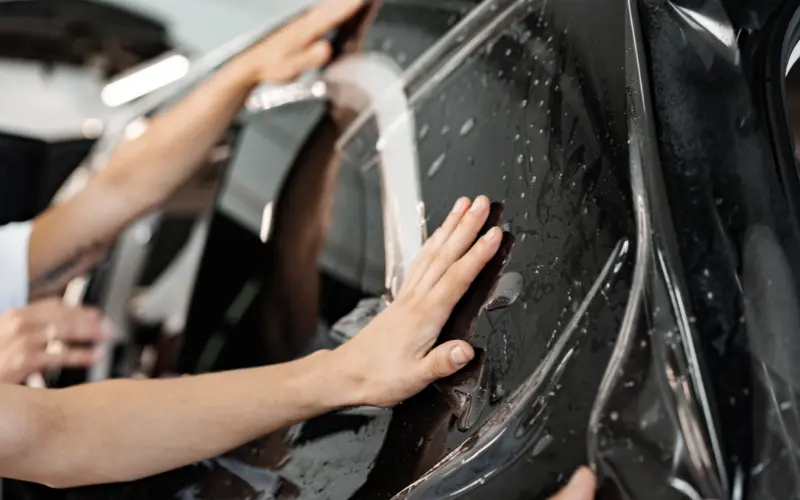
High-quality vinyl used in professional car wrap solutions creates a barrier between your paintwork and the elements. UV radiation that would otherwise fade your paint gets blocked by the wrap. Stone chips that would normally damage your clear coat hit the vinyl instead. Bird droppings and tree sap—both acidic enough to etch paint—can be cleaned from vinyl without harming what’s underneath.
This protective function highlights the pros of vinyl wrap, as wrapped vehicles often have better-preserved paint than unwrapped ones of similar age. When you remove a wrap after three or four years, the paint beneath typically looks newer than surrounding areas.
Conditions When Damage Can Occur
Problems arise when the underlying paint isn’t sound before wrapping. If your clear coat is delaminating, your paint is oxidised and chalky, or you have rust bubbles forming, vinyl won’t improve these conditions—it will hide them temporarily and potentially make them worse by trapping moisture.
When you eventually remove the wrap, weak paint will come away with it. This isn’t the vinyl causing damage; it’s weak paint failing. But from the owner’s perspective, the wrap “damaged” the paint, even though the paint was already compromised.
Low-quality vinyl uses aggressive adhesives that can bond too strongly to paint, making removal difficult and increasing the risk of pulling away clear coat.
What Your Paint Needs Before Wrapping
Paint Condition Requirements
Your paint must be fundamentally sound. That means:
- No flaking, peeling, or delaminating clear coat
- No active rust or corrosion
- No excessive oxidation or chalking
- Factory paint or professional respray that’s fully cured (minimum 30 days)
Minor scratches or swirl marks are fine—the wrap, including professionally applied car graphics, will actually hide these. But structural paint problems will only worsen under vinyl.
If you’re unsure about your paint’s condition, have it assessed before committing to a wrap. Wrapping over poor paint is throwing money away because you’ll face paint repair costs when the wrap comes off anyway.
Surface Preparation Standards
Even sound paint needs proper preparation, especially when design lorry graphics are being applied to larger panels where alignment and adhesion matter most. The surface must be thoroughly cleaned to remove all contaminants—wax, polish residue, road film, tar. Any contamination between the vinyl and paint prevents proper adhesion, creating areas where the wrap can lift and allow moisture or dirt underneath.
At Magenta Signs Ltd, we’ve seen enough failed wraps to know that rushed preparation causes more problems than any other single factor. Taking the time to properly clean and prepare the surface makes the difference between a wrap that protects paint and one that creates problems.
Common Installation Errors That Damage Paint
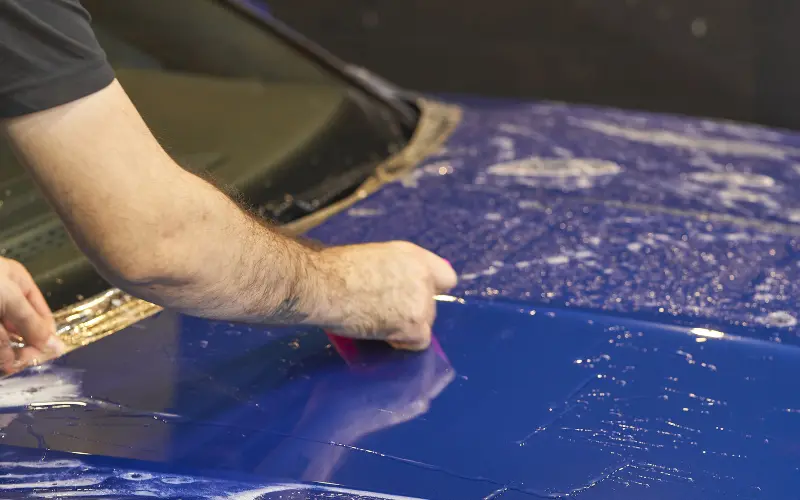
Excessive heat application. Heat guns make vinyl pliable for curves and complex surfaces, but too much heat can damage paint, particularly on plastic components. Overheating can also cause vinyl to shrink excessively, creating stress points that eventually fail.
Stretching vinyl beyond its limits. When installers overstretch vinyl to make it conform to difficult areas, the material becomes thinner and its adhesive properties change. Overstretched vinyl wants to return to its original size, creating tension that can pull at paint or cause the wrap to fail.
Poor edge sealing. Inadequately sealed edges allow water and dirt to work their way under the wrap. Once moisture gets beneath vinyl, it can cause paint to blister or degrade, particularly on older vehicles where clear coat might already be weakening.
Wrapping over existing damage. Some installers will wrap over minor paint damage without informing the owner. This hides problems temporarily but guarantees paint will come away during removal.
Will Removing a Car Wrap Damage Paint?
This is often a bigger concern than application damage, and rightfully so. Removal is when most problems occur.
Proper Removal Technique
Professional removal involves gently heating sections of vinyl to soften the adhesive, then carefully removing decals from a vehicle at a consistent angle and speed. Pull too fast or at the wrong angle, and you can tear the vinyl, leaving adhesive behind. Pull without adequate heat, and you risk the adhesive bonding more strongly to paint than to the vinyl backing.
The process is methodical and time-consuming. Attempting to speed it up by pulling large sections at once or skipping the heating step is what causes damage.
Adhesive residue left behind needs addressing with proper solvents, not abrasive scraping. The wrong approach can scratch or dull your clear coat.
How Long Wraps Should Stay On
Vinyl wraps have a designed lifespan, typically 3-7 years depending on quality and exposure. Leave a wrap on significantly beyond this timeframe, and the adhesive begins to degrade and bond more aggressively with the paint. A wrap left on for 10 years becomes extremely difficult to remove cleanly.
UV exposure accelerates adhesive degradation. A vehicle garaged overnight and kept in shade during work will have a longer effective wrap life than one parked in full sun daily.
If your wrap is approaching the end of its intended lifespan, plan for removal or replacement rather than leaving it indefinitely.
Signs It’s Time to Remove Your Wrap
Vinyl that’s starting to fail shows visible signs: edges lifting, colour fading significantly, surface cracking or crazing. These indicators mean the material has reached the end of its service life. Continuing to use it won’t provide the protective or aesthetic benefits you’re paying for, and removal will only become more difficult.
How to Prevent Paint Damage from Car Wraps
Start with sound paint. Don’t wrap over problems hoping they’ll be hidden. Address paint issues first, then wrap.
Choose quality materials. Premium cast vinyl from established manufacturers costs more but removes cleanly and lasts longer. Cheap calendered vinyl saves money initially but often costs more in the long run through early failure or difficult removal.
Use experienced installers. Skilled professionals know how to work vinyl around complex curves without overstretching, how to seal edges properly, and how to apply heat without damage. Full vehicle wrap costs typically range from £1,500-3,000, though this varies significantly based on vehicle size and wrap complexity. These are estimated costs and will vary based on your vehicle, chosen materials, and installer.
Plan for timely removal. Don’t treat wraps as permanent. Budget for removal or replacement within the vinyl’s intended lifespan to avoid adhesive degradation issues.
Frequently Asked Questions
Does removing a car wrap damage paint?
Not when done properly within the wrap’s intended lifespan. Professional removal with proper heat and technique leaves paint intact. Damage occurs when wraps are left on too long or removed incorrectly.
How long can you leave a wrap on without damaging paint?
Most quality wraps are designed for 3-7 years. Beyond this, adhesive begins degrading and bonds more aggressively to paint, making clean removal difficult. Plan for removal or replacement within this window.
Will wrapping damage a brand new car’s paint?
No, assuming the factory clear coat has cured (give it at least 30 days if the car is truly fresh). New paint in good condition is ideal for wrapping. The vinyl will actually protect the new finish from stone chips and UV exposure.
Can car wraps damage a clear coat?
Quality vinyl applied and removed properly won’t damage the clear coat. Damage happens when the clear coat is already failing before wrapping, when low-quality vinyl with aggressive adhesive is used, or when removal is botched.
What happens if you wrap over bad paint?
The vinyl will adhere to whatever paint is there, but when you remove it, the compromised paint will come away with the wrap. This isn’t the vinyl causing damage—it’s existing paint failure becoming visible. Never wrap over paint that’s peeling, flaking, or delaminating.
Do car wraps ruin paint when removed?
Not if paint was sound before wrapping, quality vinyl was used, and removal happens within the recommended timeframe using proper technique. Most “ruined paint” cases involve wrapping over already-compromised paintwork.
Protecting Your Paint with Proper Wrapping
Car wraps don’t damage sound paintwork—they protect it. The key is ensuring your paint is healthy before wrapping, using quality materials, and planning for timely removal.
If you’re considering a wrap, start with an honest assessment of your current paint condition. Address any existing issues first. Choose premium vinyl over budget options—the material cost difference is modest compared to potential paint repair costs.
For guidance on whether wrapping is right for your vehicle, or if you’re unsure about your paint’s current condition, speaking with experienced professionals like those at Magenta Signs Ltd can help you make an informed decision. The investment in proper materials and installation protects both your vehicle’s appearance and its long-term value.
Done right, wrapping is one of the best protective measures you can take for your paintwork. Done wrong, it creates the very damage it should prevent.