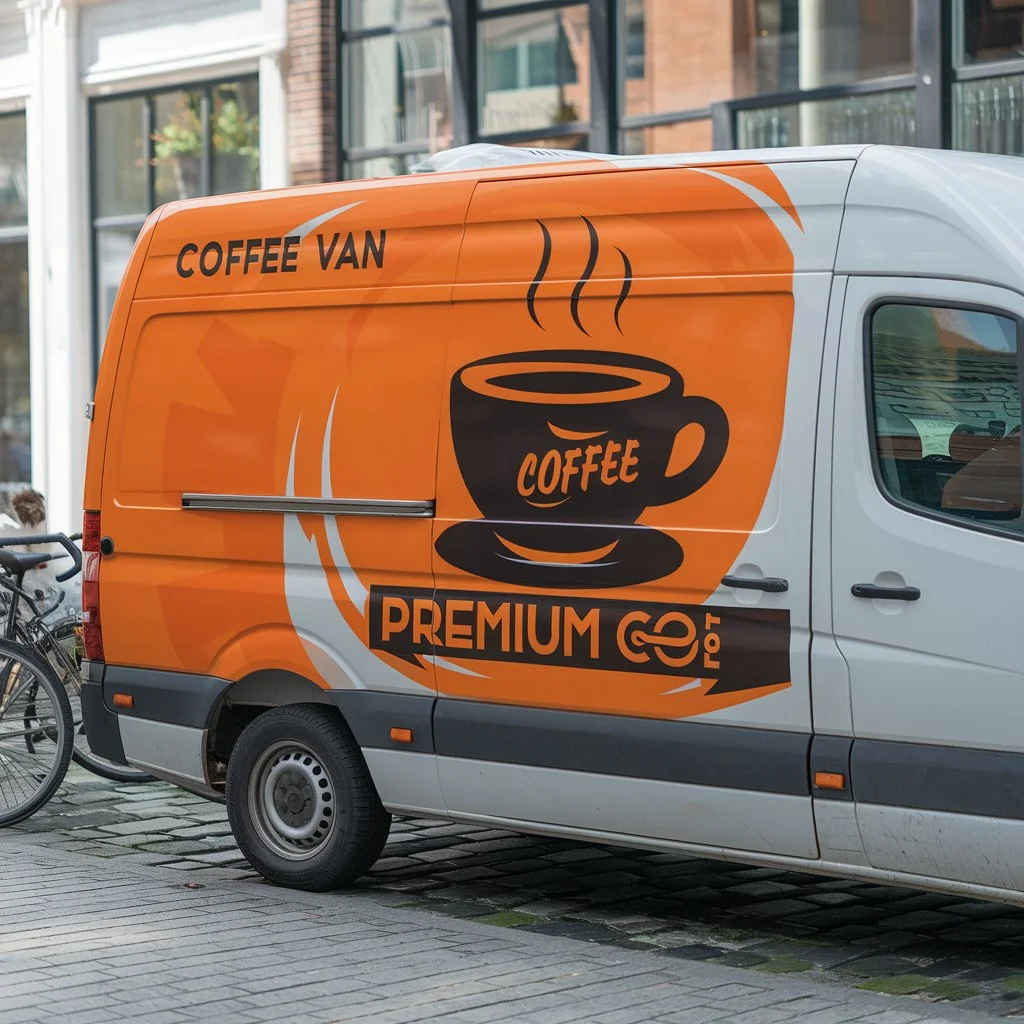
Van vinyl graphics basically turn your work van into advertising. Stuck in a traffic jam? You’re advertising. Parked up at a job? Still advertising. It beats shelling out for billboards or paying monthly fees for ads that stop the second you stop paying. Plus, a smartly wrapped van just looks more legit than a plain white transit with a phone number scrawled on the side.
What Are Van Vinyl Graphics?
Think of van vinyl graphics as large stickers designed for vehicles. The material is flexible plastic with adhesive backing that sticks to your van’s paintwork. The good news? It comes off cleanly when you’re ready for a change, without wrecking the paint underneath. You can get anything printed on it, including photos, complex logos, colour gradients, or whatever represents your brand properly.
Vinyl Types and Coverage Options
| Type | Lifespan | Best For | Finish Options |
| Cast Vinyl | 5 to 7 years | Full wraps, curved surfaces | Gloss, matte, satin |
| Calendered Vinyl | 3 to 5 years | Flat panels, simple lettering | Gloss, matte |
| Partial Wrap | 5 to 7 years | Specific panels (sides/rear) | All finishes |
| Spot Graphics | 3 to 5 years | Logos, contact details only | Cut vinyl colours |
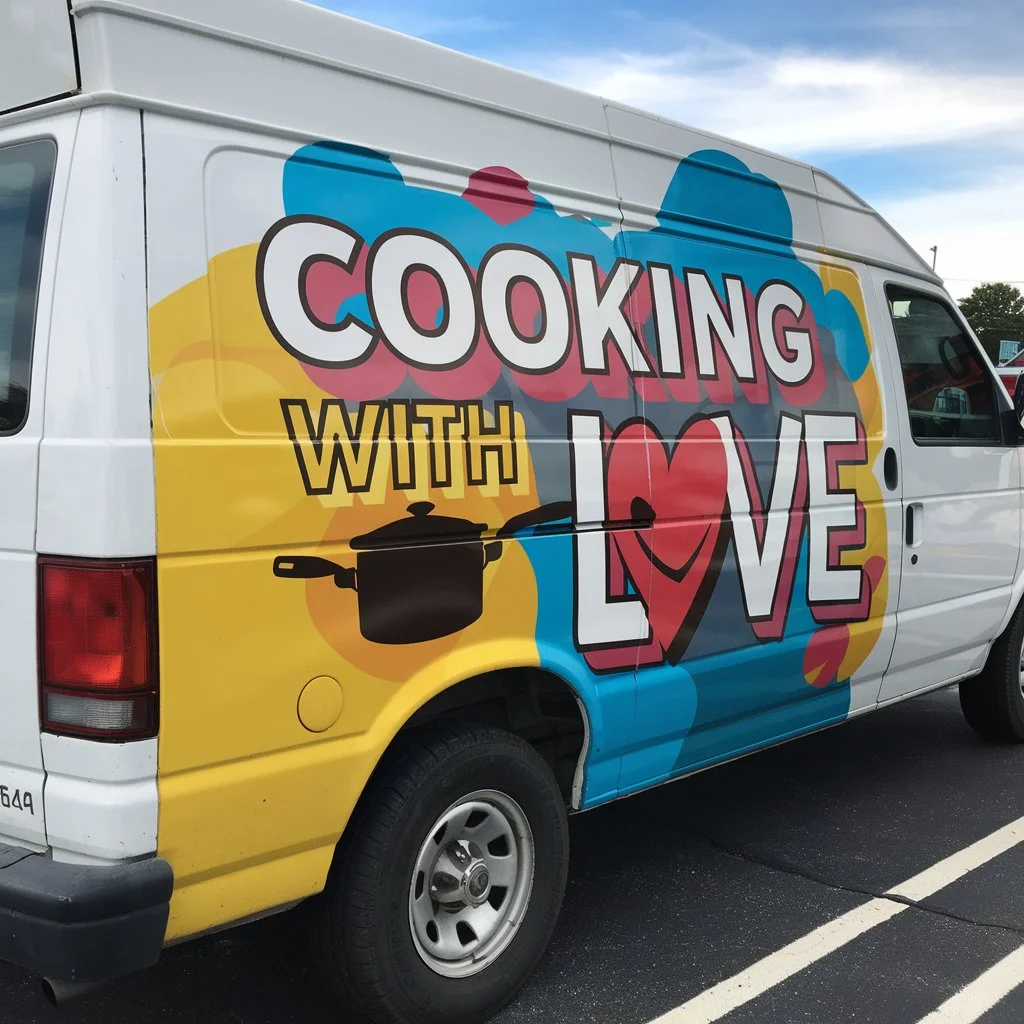
The Business Benefits of Van Signs and Van Vinyl Graphics
Put graphics on your van, and you’ve essentially got a billboard that follows you everywhere. Pop to the builders’ merchant, drive to a job, or park up for lunch, and your company name is out there working whilst you’re working. It’s brand awareness on autopilot, and you’re not burning through a marketing budget to make it happen. The more you drive, the more people notice your business.
Vehicle Graphics for Greater Exposure
Bright colours and clear branding catch people’s attention in traffic jams and car parks. You’re creating little mental bookmarks in people’s heads. When they eventually need your services, there’s a decent chance they’ll remember seeing your van around. Works whether you’ve got one transit or a whole fleet.
Van Signs as Cost-Effective Advertising
Billboards cost hundreds every month. Social media ads need constant feeding. Van graphics? You pay once, and they keep working for years: no renewal fees, no monthly direct debits. For small business owners watching their cash flow, it’s a rare bit of marketing that actually pays for itself over time.
Van Livery Design: Key Considerations
Your graphics need to work at 60mph. Someone glancing over from the next lane has maybe three seconds to take in what you do. That means keeping things simple and readable, with no tiny text and no overly clever designs that need decoding.
Design Essentials for Maximum Impact
- Logo size: Big enough to read from across the street (about 20 metres minimum)
- Font choice: Stick to clean, simple fonts. A fancy script looks illegible on a moving van.
- Text height: Aim for 75mm minimum on anything you want to read from a distance.
- Contrast: Dark on light or light on dark. Avoid grey text on beige backgrounds.
- Layout: Don’t split text across door handles or panel gaps
- Colour meaning: Blue suggests reliability, green works for eco-services, and red grabs attention
Professional Installation vs DIY
Installing vinyl graphics isn’t like slapping on a bumper sticker. Professionals spend hours prepping surfaces, lining everything up perfectly, and working out air bubbles. Rush it or do it in your driveway when it’s freezing, and you’ll end up with edges peeling off within months.
DIY Challenges to Consider
| Challenge | Why It Matters |
| Surface Prep | Any dirt, wax, or grease stops the vinyl sticking properly |
| Alignment | Getting a massive panel perfectly straight without creases takes practice |
| Bubble Removal | You need heat guns and proper squeegees to get it smooth |
| Time Investment | First attempt usually takes a full weekend, not the two hours you planned |
Professionals also back their work with warranties. If an edge starts lifting or something goes wrong, they’ll sort it. Most can wrap a van in half a day, so you’re not losing a week’s work while you faff about with a heat gun in your garage.
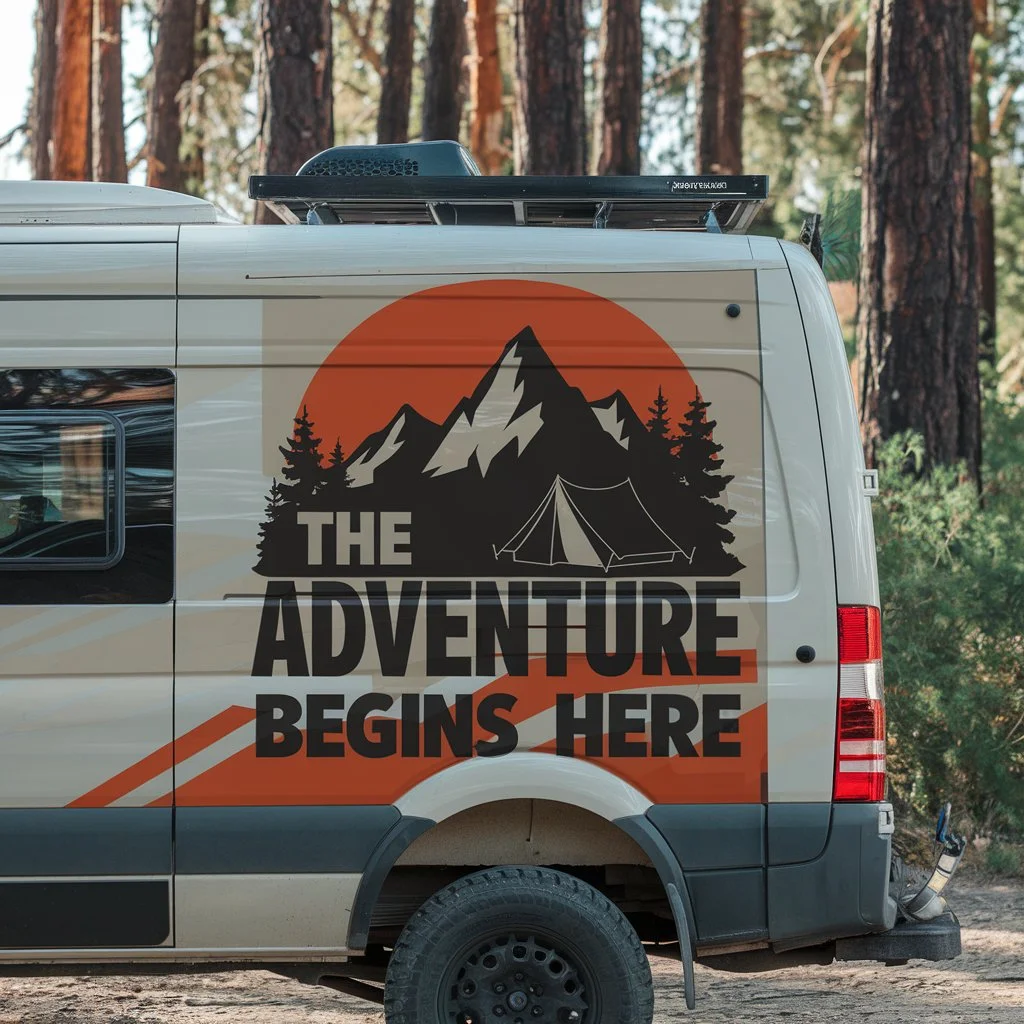
Maintaining Your Van Vinyl Graphics
Look after your graphics, and they’ll look after you. Regular washing stops dirt from building up and weakening the adhesive. Park in the shade when you can, as it slows down fading. Give the edges a quick check every few months to catch any lifting before it spreads.
Care Tips for Longevity
- Hand-wash with ordinary car shampoo and a soft cloth. Jet washes can force water underneath
- Find covered parking when possible to keep UV damage at bay
- Use decent UV-resistant vinyl from the start (ask your installer)
- Check corners and edges regularly. Catching problems early saves hassle later
- Let it air dry or pat it down gently after washing
Van Graphics vs Other Advertising Methods
| Method | Upfront Cost | Duration | Best For |
| Van Graphics | One-time payment | 5 to 7 years | Local businesses with mobile teams |
| Billboard | Monthly fee | Monthly contract | Brand awareness campaigns |
| Social Media Ads | Monthly spend | Ongoing | E-commerce, direct response |
| Radio Advertising | Weekly cost | Campaign-based | Time-sensitive promotions |
The table tells the story. Billboards and digital ads need feeding every month. Van graphics cost more upfront, but then they’re just… there. Working away whilst you get on with running your business. For local tradespeople and service companies, the maths usually stacks up nicely.
Industries That Benefit Most
- Tradespeople: Electricians, plumbers and builders are parking in residential streets all day. Neighbours see the van, notice the name, and remember it when their boiler packs in.
- Delivery services: The more people see your branded vans doing the rounds, the more they trust you’re reliable and established
- Catering businesses: Park outside a wedding venue or corporate do and hundreds of guests see your branding whilst you’re actively proving you’re good at what you do
- Mobile services: Mobile mechanics and cleaning companies rely on their vans as a shopfront, since they don’t have physical premises.
Frequently Asked Questions
Will Vinyl Hurt My Paint?
Not if it’s done properly. Decent vinyl and professional removal won’t damage factory paint. Installers use gentle heat and the right solvents to peel it off cleanly. For the full process, have a look at our guide on removing vinyl signage from vans.
How Long Does Vinyl Really Last?
Most wraps stay looking good for five to seven years if you treat them right. Van wraps work brilliantly for mobile advertising, but your local climate, how much you drive, and how you wash the van all make a difference to how long they last.
Can I Update Graphics Without Starting Over?
Absolutely. Changed your phone number? Adding a new service? An installer can swap out just that section without touching the rest. Saves money and keeps your branding fresh.
Do Van Graphics Affect Insurance?
They usually don’t bump up your premium, but you need to tell your insurer about them. The graphics add value to your van, so get them on the policy. If the van gets nicked or damaged, you’ll want them covered.
Can I Wash My Van in an Automatic Car Wash?
Hand-washing is safer. Those big spinning brushes in automatic washes can catch edges and scratch the surface. If you must use one, go for the touchless type that just blasts water rather than scrubbing.
What Happens If My Vinyl Gets Scratched?
Small scratches can sometimes be buffed out. Bigger damage means replacing that panel. Because the graphics are done in sections, you can replace just the knackered bit without redoing the whole van, which keeps repair costs sensible.
How Much Do Van Graphics Cost?
Basic lettering starts from a few hundred pounds, whilst full wraps on larger vans can run into the thousands. Depends on your van size, how complicated the design is, what vinyl you’re using, and how much coverage you want. Most places will give you a proper quote once you’ve talked through what you’re after.
Final Thoughts
Van graphics do two jobs at once. They look professional, and they advertise whilst you’re going about your normal working day. Choose decent materials, get them fitted properly, and look after them, and you’ve got years of marketing that doesn’t need babysitting. Add elements like bonnet graphics for extra visibility from the front, and your van becomes a rolling advert that works every time you’re on the road.