

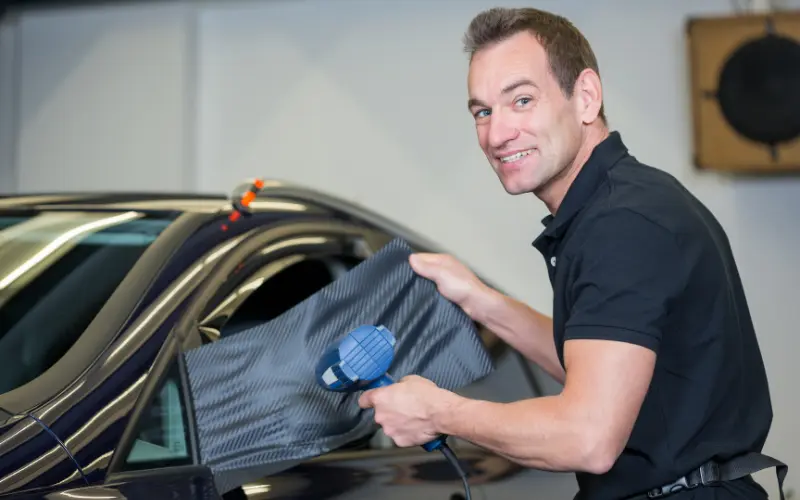
Your car’s paintwork faces a daily battle. Road debris, UV exposure, and unpredictable British weather all take their toll. If you’re looking for a way to protect your vehicle whilst transforming its appearance, expert car wrapping services might be exactly what you need.
Car wraps have become increasingly popular across the UK, not just for businesses wanting mobile advertising, but for private owners who want to personalise their vehicles without the permanence of a respray. The question is: how exactly do they work, and are they the right choice for your car?
Understanding Car Wraps: What They Are and Why They Matter
A car wrap is a large vinyl film applied directly to your vehicle’s paintwork. Think of it as a second skin that completely changes your car’s colour or finish whilst protecting the original paint underneath. The vinyl used is typically made from polyvinyl chloride (PVC), a durable material designed to withstand daily driving conditions.
Unlike paint, which becomes a permanent part of your car, vinyl wraps are reversible. You can remove them years later to reveal the original finish beneath, making them ideal for anyone who likes to keep their options open.
Wraps come in three main categories: full wraps that cover the entire vehicle, partial wraps that accent specific panels or areas, and decals for logos or graphics. The versatility means you can go subtle with a colour change or bold with custom designs, patterns, or even textured finishes like carbon fibre or brushed metal.
The Car Wrapping Process: From Preparation to Perfection
Understanding the wrapping process helps you appreciate why professional installation matters. It’s not simply a case of sticking vinyl onto your car like a giant sticker.
Surface Preparation
The first stage determines how well your wrap will perform over its lifespan. Installers thoroughly wash the vehicle to remove all dirt, grease, and contaminants. This goes beyond a regular car wash. Any residue left on the surface will prevent the vinyl from bonding properly, leading to lifting or bubbling down the line.
Next comes a clay bar treatment to remove embedded particles that washing alone can’t shift. The surface must be completely smooth because vinyl doesn’t hide imperfections but rather highlights them. Any existing scratches, dents, or rust will show through the wrap, so these need addressing beforehand.
Once cleaned and inspected, the car is wiped down with a degreasing solution and left to dry completely. Even fingerprints can affect adhesion, so installers work in controlled environments to keep the surface pristine.
Measuring and Cutting
Professional wrap installers don’t work from pre-cut templates. Each vehicle is measured precisely, and the vinyl is cut with excess material to allow for stretching and tucking around curves and edges. The material needs to wrap around door handles, mirrors, bumpers, and trim pieces seamlessly.
This stage requires experience. Cut the vinyl too short, and you’ll have gaps. Leave too much excess, and you risk wrinkles or overlapping seams that look unprofessional.
Application
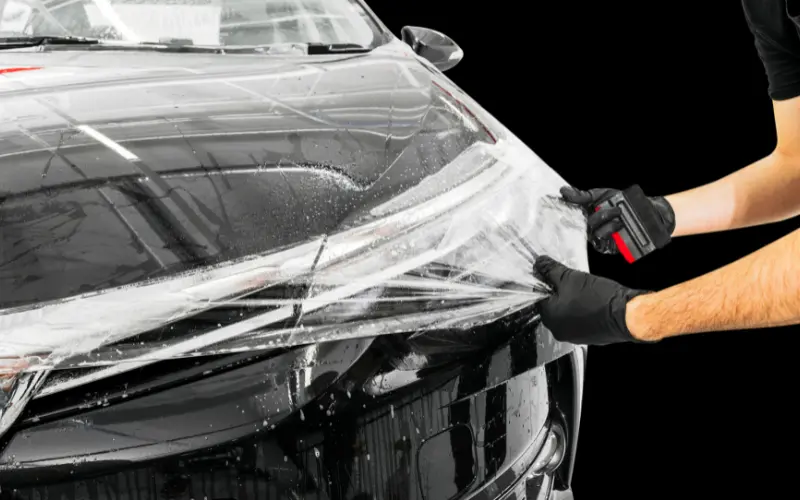
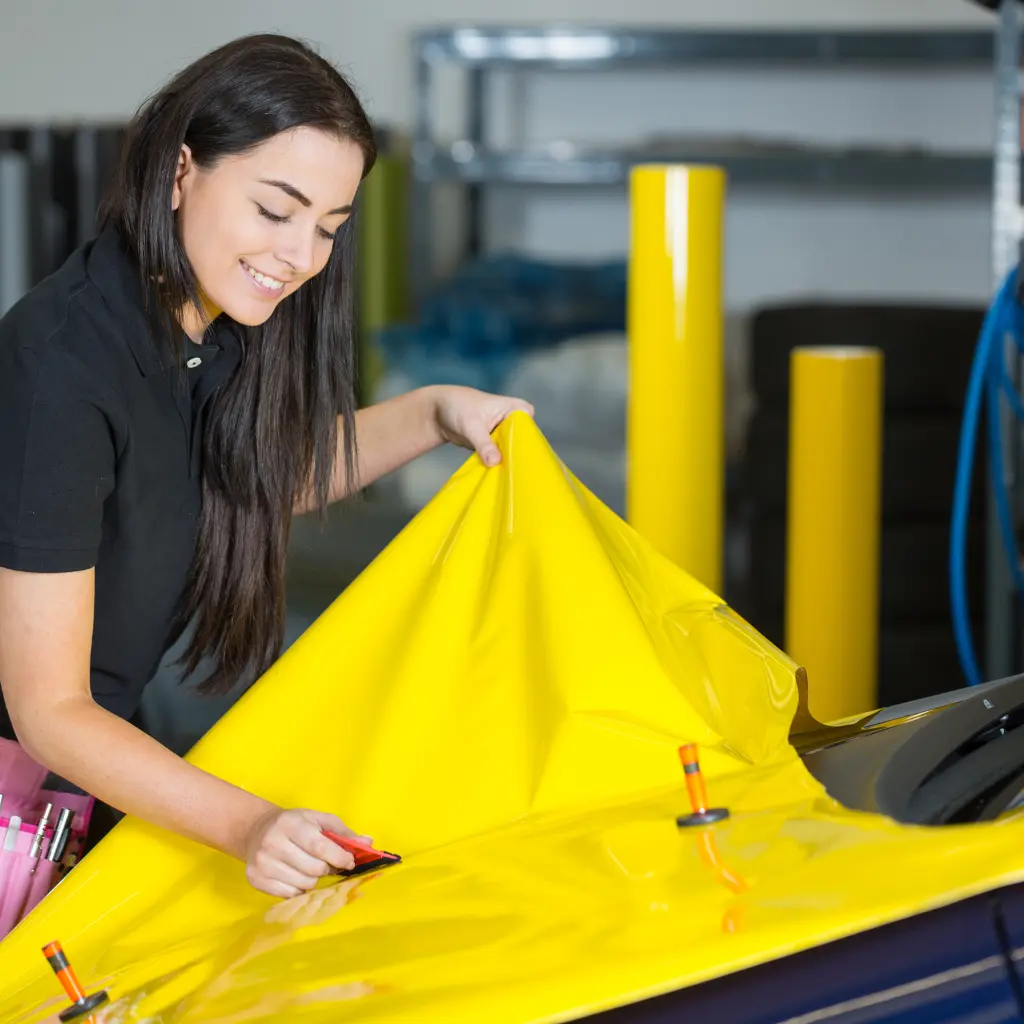
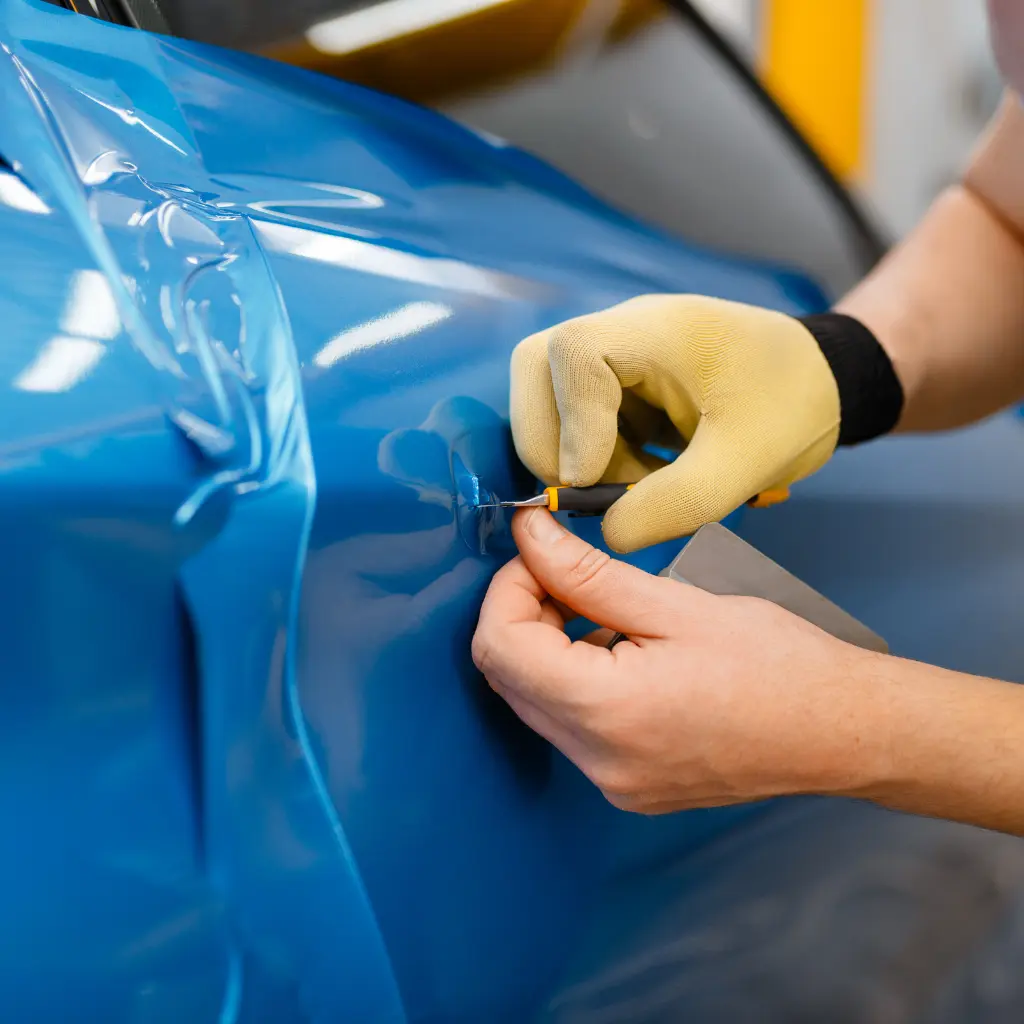
Here’s where skill separates amateur jobs from professional results. Installers peel back a section of the vinyl’s backing paper and position it carefully on the panel. They use squeegees to smooth the material from the centre outward, pushing out air bubbles as they go. These specialized tools are essential for achieving bubble-free, professional results.
Heat guns play a crucial role during application. Warming the vinyl makes it pliable enough to stretch around complex curves, mould into recesses, and conform to the vehicle’s shape. Too much heat damages the vinyl; too little means it won’t stick properly or conform to awkward angles.
The process is methodical. One panel at a time, checking alignment, smoothing bubbles, and ensuring clean edges. Door jambs, boot edges, and bonnet lips all need the vinyl tucked and secured so it doesn’t peel back over time.
Finishing Touches
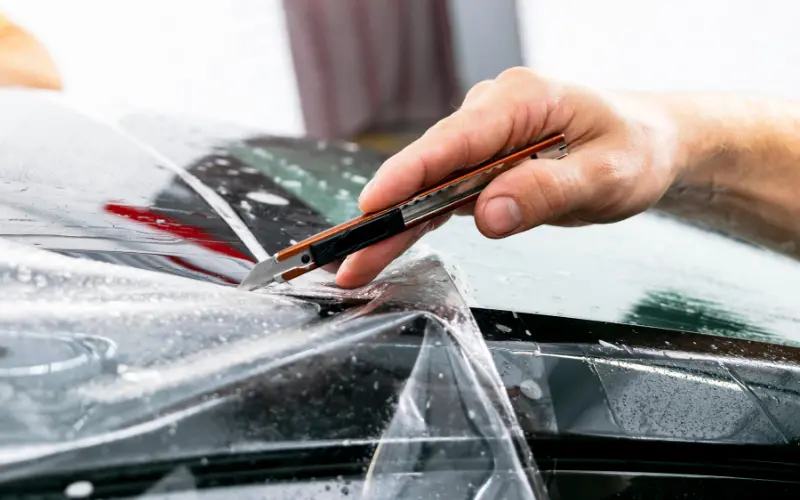
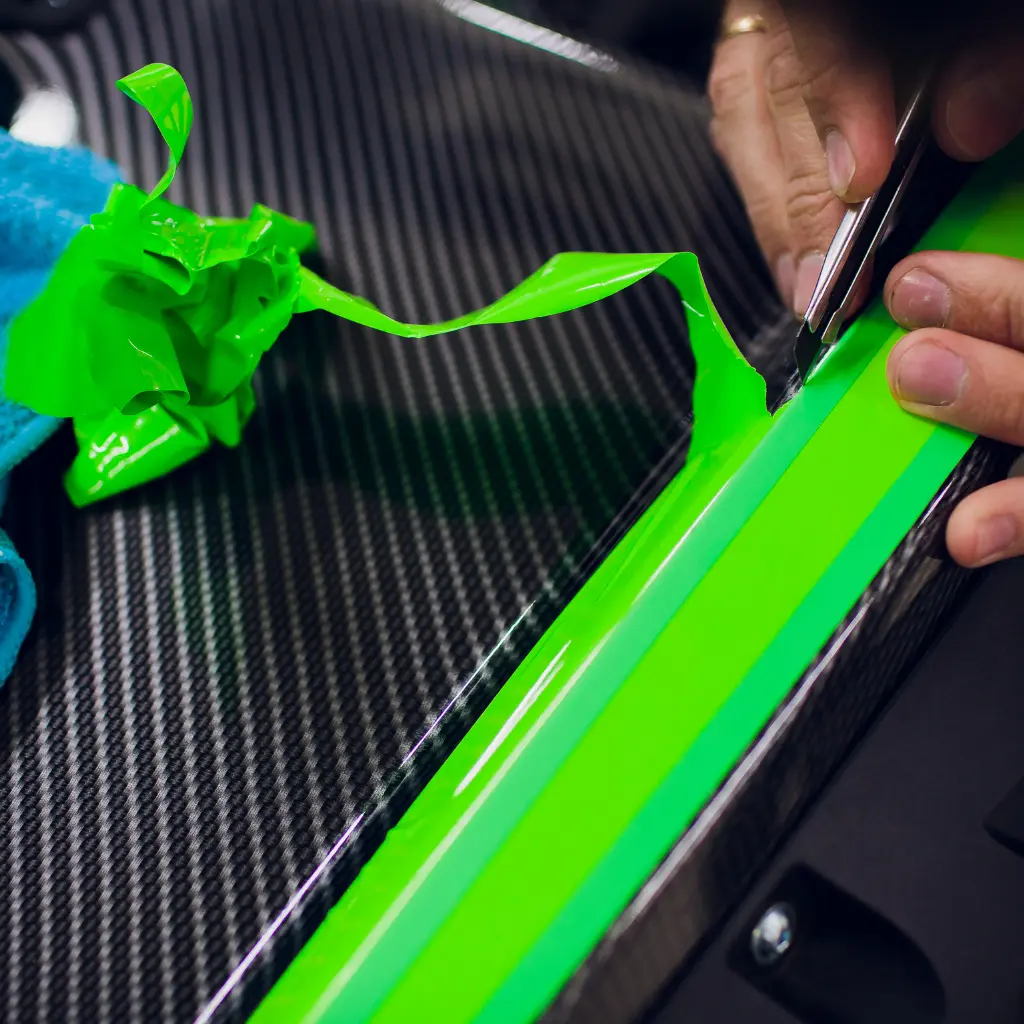
After the vinyl is applied, installers go over the entire vehicle with heat again. This activates the adhesive fully and helps the material settle into its final position. They trim excess vinyl from around fixtures, badges, and panel gaps using precision blades.
The last step involves a final inspection. Any remaining air pockets are worked out, edges are pressed down firmly, and the wrap is checked for consistency in colour and finish.
From start to finish, wrapping a standard saloon car takes between one and three days, depending on complexity. Larger vehicles or intricate custom designs take longer. At Magenta Signs Ltd, we’ve seen how rushing this process leads to poor results, which is why proper timescales matter.
Pros and Cons of Vinyl Car Wraps
Before committing to a wrap, it’s worth understanding both the advantages and the practical considerations.
The Pros
Paint Protection – Vinyl acts as a barrier against stone chips, light scratches, and UV damage. The original paint stays protected underneath, which helps maintain resale value when you eventually sell your car.
Cost-Effective Alternative to Respraying – A professional respray costs anywhere from £3,000 to £10,000+ depending on the vehicle and paint quality. Wrapping offers significantly better value for colour changes whilst delivering a factory-fresh appearance.
Reversible Transformation – Don’t like the colour after a year? Remove it. Selling your car? Take the wrap off to reveal the original paint. Following proper vinyl removal techniques ensures your original paint remains pristine underneath. This flexibility simply doesn’t exist with paint, making wraps perfect for lease vehicles or anyone who enjoys changing their car’s look.
Endless Customisation – Wraps offer finishes impossible to achieve with paint, such as chrome, colour-shifting, matte, satin, gloss, or textured effects. You can match corporate branding precisely or create completely unique designs that turn heads.
Quick Turnaround – Respraying requires weeks of work whilst your car sits in a body shop. Professional wrapping takes just a few days, meaning minimal disruption to your routine.
Mobile Advertising for Businesses – For business owners, vehicle wraps transform company cars into moving billboards. The graphics can be as bold or understated as you need, and the cost per impression beats most traditional advertising methods. For businesses managing multiple vehicles, fleet wrapping solutions offer consistent branding across your entire company fleet.
The Considerations
Limited Lifespan Compared to Paint – Wraps are a medium-term solution rather than permanent. With proper care, you’ll get several good years from a quality wrap, but it won’t last the lifetime of the vehicle like paint would. This works in your favour if you like updating your car’s look, but it’s worth factoring into your decision if you’re after a once-and-done solution.
Surface Condition Matters – Wraps need sound paintwork to begin with. If your paint is already flaking, rusted, or severely damaged, those issues need addressing first. The wrap will highlight rather than hide surface imperfections, so starting with a solid base ensures the best results.
Different Care Requirements – Wrapped cars need a gentler approach than painted ones. You’ll be avoiding automatic car washes and being more selective about cleaning products. It’s not complicated, but it does mean adjusting your usual routine to protect your investment.
Expert Installation is Essential – The difference between a professional wrap and a DIY attempt is night and day. Proper tools, temperature-controlled environments, and trained hands make all the difference. Whilst this adds to the upfront investment, it ensures the wrap looks flawless and comes off cleanly when the time comes.
Vulnerability to Sharp Objects – Vinyl can tear or puncture if caught by sharp edges or objects. Unlike paint scratches that can sometimes be polished out, damaged vinyl sections typically need replacing. That said, wraps still offer better protection than bare paint against everyday wear.
Exploring Different Wrap Finishes
Wraps aren’t one-size-fits-all. Different finishes serve different purposes.
Gloss wraps mimic the shine of traditional paint and are popular for colour changes. Matte finishes give a modern, understated look that’s gained popularity in recent years. Satin sits between the two, offering a subtle sheen without full gloss.
Textured wraps like carbon fibre or brushed aluminium add dimension. Chrome and metallic wraps create eye-catching reflective finishes. Colour-shift wraps change tone depending on viewing angle and light, creating a unique effect that turns heads.
Printed wraps allow for complete creative freedom with graphics, patterns, photographs, or business branding. This is where effective vehicle wrap design makes all the difference in creating maximum visual impact. At Magenta Signs Ltd, we work with clients to develop designs that maximise visual impact whilst staying on brand.
Common Questions About Car Wrapping
Does wrapping a car damage the paint?
When applied and removed correctly by professionals, vinyl wraps don’t damage healthy paint. If you’re concerned about whether car wraps damage paint, understanding proper installation and removal techniques is essential. The key is starting with sound paintwork and using proper removal techniques. If your paint is already compromised, whether chipped, faded, or peeling, it’s best to address that first for optimal results.
How long does a car wrap last?
Expect five to seven years from a quality wrap with proper care. Several factors influence how long vehicle wraps last, including climate, storage conditions, and maintenance habits. Constant sun exposure shortens lifespan, whilst garaged storage extends it.
Can you wash a wrapped car?
Absolutely. Hand washing with soft cloths and pH-neutral soap keeps your wrap looking fresh. Avoid automatic car washes with brushes, don’t aim pressure washers directly at edges or seams, and steer clear of abrasive cleaners or petroleum-based waxes. The care routine is straightforward once you know what to avoid.
How much does wrapping a car cost in the UK?
Full wraps range from approximately £1,500 to £3,500 for standard vehicles, though luxury or larger vehicles cost more. Partial wraps or simple colour changes sit at the lower end; complex custom graphics with intricate designs push costs higher. These are estimates, and actual prices vary based on vehicle size, vinyl choice, and design complexity.
Can you wrap a car yourself?
Technically yes, but professional results require specific tools, controlled environments, experience with heat application, and an eye for detail. Most owners find the investment in professional installation worthwhile for the superior finish and peace of mind.
Will a wrap hide scratches or dents?
No. Vinyl conforms to whatever surface sits beneath it, meaning imperfections show through. Think of it as a second skin rather than filler. Any damage should be repaired before wrapping for the smoothest finish.
Can you wrap a leased car?
Usually yes, but check your lease agreement first. Many leasing companies allow wraps provided they’re professionally removed before returning the vehicle. Document the original paint condition beforehand for your protection.
Ready to Transform Your Vehicle with a Professional Wrap?
Car wraps offer a practical solution for protecting your vehicle whilst expressing your style or promoting your business. Whether you’re after a subtle colour change, eye-catching custom graphics, or effective mobile advertising, the right wrap makes a lasting impression. The key lies in choosing experienced installers who understand preparation, application technique, and aftercare. If you’re considering a wrap for your vehicle, speak with professionals who can assess your car’s condition, discuss your vision, and deliver results that exceed expectations. Your car deserves the quality finish that only expert installation provides.